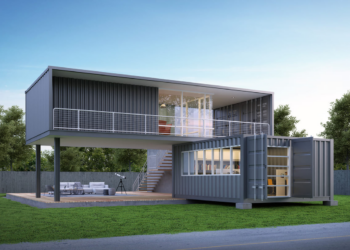
When it comes to selecting exterior cladding for residential, commercial, or industrial buildings, metal siding has emerged as one of the most reliable and aesthetically versatile options on the market. Offering superior durability, resistance to the elements, and modern appeal, metal siding has transformed from an industrial staple to a mainstream architectural feature.
In this comprehensive guide, we’ll explore everything you need to know about metal siding—its advantages, types, installation process, design flexibility, and maintenance tips. Whether you’re planning a new construction or updating an existing façade, this guide will help you decide if metal siding is right for your project.
What Is Metal Siding?
Metal siding refers to exterior wall cladding made from various types of metal, most commonly steel or aluminum, though copper and zinc are also used in high-end applications. It’s available in multiple profiles (horizontal, vertical, corrugated, shiplap) and finishes (matte, glossy, textured), allowing it to suit a wide range of building styles from industrial to modern farmhouse.
The core purpose of siding is to protect a building from weather damage, moisture, pests, and temperature extremes, while also enhancing its curb appeal. Metal siding does all this—and more—with minimal maintenance and impressive longevity.
Benefits of Metal Siding
1. Exceptional Durability
Metal siding is built to last. Unlike wood, vinyl, or fiber cement, it doesn’t warp, rot, or crack under pressure from the elements. Most metal siding options can last 40 to 70 years or more with proper care.
2. Weather Resistance
Whether you’re in a region prone to heavy snow, rain, wind, or extreme heat, metal siding provides superior protection. Many metal panels are engineered to resist corrosion and are coated with special finishes to reflect UV rays.
3. Fire Resistance
One of the top reasons people choose metal siding is its non-combustible nature. It won’t ignite when exposed to fire, making it a preferred option in wildfire-prone areas and around structures that require higher safety standards.
4. Low Maintenance
With no need for repainting, caulking, or sealing, metal siding is one of the easiest exterior finishes to maintain. A periodic rinse with water is often enough to keep it looking fresh.
5. Eco-Friendly
Metal siding is 100% recyclable, and many manufacturers use recycled materials during production. Additionally, its reflective properties can reduce energy costs by lowering the heat absorbed by a building.
6. Aesthetic Versatility
From modern commercial buildings to rustic barns and contemporary homes, metal siding offers endless design possibilities. It pairs well with wood, glass, stone, and other materials, and comes in a wide variety of colors and textures.
Types of Metal Siding
1. Steel Siding
- Galvanized Steel: Coated with zinc for corrosion resistance.
- Galvalume® Steel: Alloyed with aluminum and zinc, offering even better rust resistance.
- Pros: Strong, impact-resistant, good for hail-prone areas.
- Cons: Heavier than aluminum, may require stronger framing.
2. Aluminum Siding
- Lightweight and corrosion-resistant, especially suitable for coastal areas.
- Often coated or painted for extra protection.
- Pros: Easy to work with, won’t rust, good sound insulation.
- Cons: Softer than steel—can dent more easily.
3. Copper Siding
- Premium choice, develops a natural patina over time.
- Pros: Long-lasting, unique aesthetic.
- Cons: Expensive and typically reserved for accents or luxury projects.
4. Zinc Siding
- Another high-end option with self-healing properties (scratches can vanish over time).
- Pros: Durable, develops a beautiful matte gray patina.
- Cons: Expensive and requires skilled installation.
Popular Profiles and Styles
Metal siding is highly customizable. Common profiles include:
- Corrugated: Wavy pattern; traditional and industrial.
- Standing Seam: Vertical panels with interlocking seams; sleek and modern.
- Board and Batten: Classic vertical look, often mimics wood.
- Shiplap and Lap Siding: Horizontal panels that overlap; provides a clean, uniform look.
- Custom Patterns: Laser-cut or stamped designs for architectural interest.
Design Applications
1. Residential Homes
- Perfect for modern, minimalist, industrial, and farmhouse-style homes.
- Often used in combination with natural materials like wood and stone.
- Adds a unique, contemporary edge to residential architecture.
2. Commercial Buildings
- Chosen for office buildings, retail stores, and restaurants for its durability and visual appeal.
- Ideal for branding with custom colors and signage.
3. Industrial Facilities
- Common in warehouses, barns, and factories due to its strength and low maintenance.
- Corrugated and ribbed styles provide added strength and are cost-effective.
4. Accent Walls and Interior Design
- Increasingly popular in interiors as accent walls, kitchen backsplashes, or ceilings.
Installation Considerations
Installing metal siding should be done by professionals or highly experienced DIYers. Key points to consider include:
- Substrate Preparation: A moisture barrier (like house wrap) should be installed beneath the siding.
- Thermal Expansion: Panels must be installed with space for expansion/contraction due to temperature changes.
- Fasteners: Screws or hidden clips are used, depending on the style.
- Sealing and Flashing: Proper sealing is crucial to prevent leaks at joints and corners.
- Noise Control: In areas with high wind or rain, sound-dampening materials may be added behind panels.
Maintenance Tips
Although metal siding is low maintenance, some periodic care can extend its life:
- Clean Annually: Hose it down to remove dust, pollen, and pollutants.
- Check for Scratches or Dents: Address small surface damage to prevent rust (especially with steel).
- Inspect Fasteners and Seals: Ensure screws and joints are secure and waterproof.
- Recoat or Repaint (If Needed): High-quality factory finishes can last decades, but recoating may be required eventually.
Pros and Cons Recap
✔ Pros
- Long lifespan
- Weather and fire-resistant
- Eco-friendly
- Stylish and modern
- Minimal maintenance
✘ Cons
- Higher upfront cost
- Dents (aluminum)
- May require soundproofing
- Needs professional installation
Is Metal Siding Right for You?
If you’re seeking an exterior finish that delivers on strength, sustainability, and modern aesthetics, metal siding in Davidson County could be the perfect choice. It’s especially ideal for:
- Areas with extreme weather
- Low-maintenance property needs
- Modern or industrial architectural styles
- Green building initiatives
Whether you’re upgrading your home exterior or designing a new commercial facility, the performance and style of metal siding in Davidson County offer unmatched long-term value.
Final Thoughts
With advancements in coatings, design flexibility, and insulation integration, metal siding is no longer just for warehouses and barns. It’s a bold and smart choice for those who want a long-lasting, attractive, and environmentally responsible exterior solution.
From galvanized steel to sleek standing seam aluminum panels, metal siding proves that strength and style can go hand in hand.