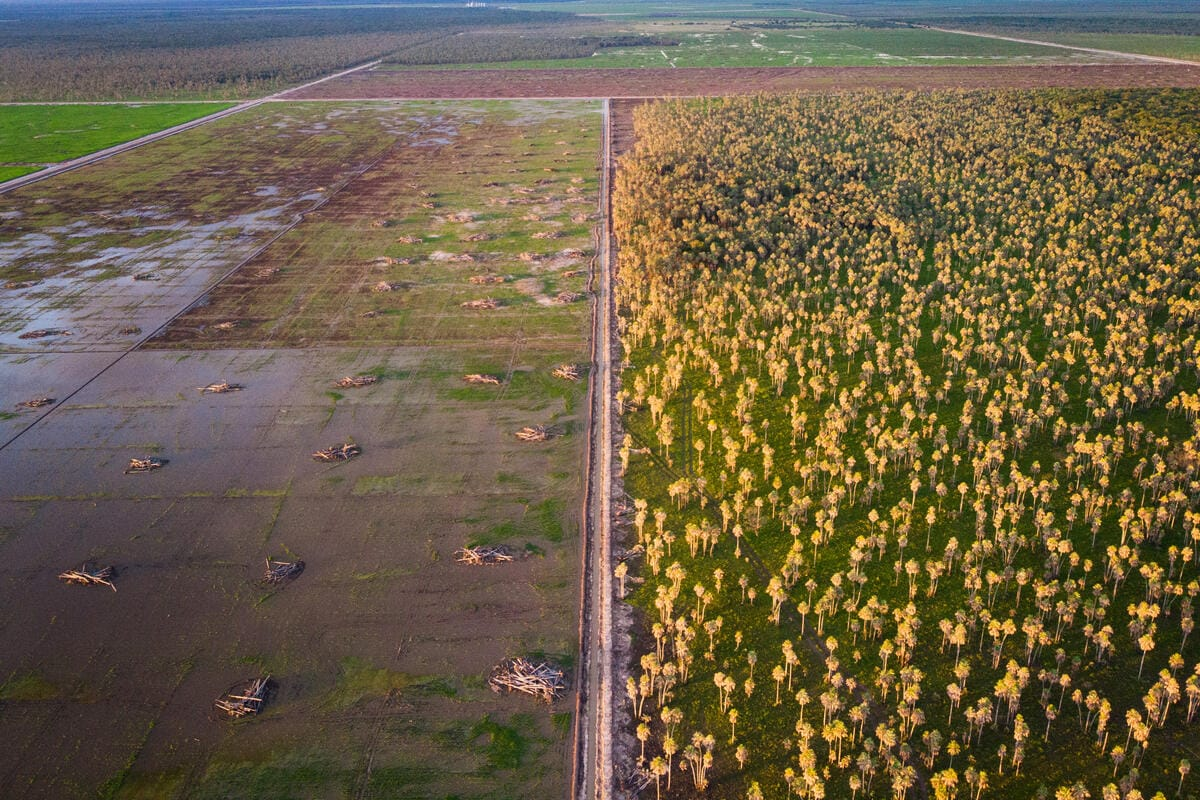
Transforming raw, overgrown, or unused land into a usable, productive space is a complex process that requires more than just heavy machinery and manpower. It’s a detailed operation involving planning, safety precautions, and environmental considerations. For property owners, developers, and agricultural planners alike, understanding how to responsibly manage and prepare a site can determine the long-term success of any project.


This comprehensive guide explores the fundamentals of transforming land — from preparation and equipment to sustainability and post-clearing care. Whether the goal is to build, farm, or restore an area, it’s crucial to understand the science and strategy behind the process.
Understanding the Purpose Behind Land Transformation
Before any work begins, it’s essential to define why the land needs to be cleared or prepared. Each purpose demands a slightly different approach:
- Agricultural Use: Preparing land for crops, livestock, or orchards often requires removing brush, rocks, and unwanted vegetation while maintaining soil fertility.
- Construction Projects: Developers may need to prepare land for homes, commercial structures, or infrastructure. This involves creating a level surface and ensuring the soil can support foundations.
- Fire Prevention or Environmental Management: In some regions, clearing underbrush or dead vegetation is necessary to reduce fire hazards and maintain healthy ecosystems.
- Land Restoration: Some projects focus on reclaiming previously used or damaged land, removing debris and invasive plants to restore natural balance.
The underlying purpose determines how the process should proceed — from machinery selection to disposal methods and soil treatment.
Planning and Assessment: The Foundation of a Successful Project
Proper planning is vital. A well-structured plan prevents costly mistakes, avoids unnecessary environmental damage, and ensures compliance with regulations.
Site Survey and Analysis
Before starting any physical work, a thorough site assessment is required. Professionals often survey the area to map existing vegetation, soil types, slopes, and drainage patterns. Understanding these details helps in deciding which areas to preserve, which to modify, and which methods will minimize disruption.
Legal and Environmental Considerations
Depending on the location and intended use, there may be restrictions related to wildlife habitats, water sources, or soil erosion risks. Many regions require environmental permits or assessments before large-scale clearing can begin. Ignoring these rules can lead to penalties or legal action, but more importantly, it can harm delicate ecosystems.
Budgeting and Resource Allocation
The cost of preparing land depends on several factors — area size, terrain complexity, and the methods used. A budget should include expenses for equipment rental, labor, waste disposal, and potential replanting or erosion control. Sustainable projects also allocate funds for restoration efforts, ensuring the land remains viable and healthy long after the work is done.
Equipment and Techniques for Efficient Site Preparation
Modern technology has revolutionized how we approach land development. Instead of relying solely on manual labor, specialized machinery now makes the process faster, safer, and more precise.
Common Equipment
- Bulldozers: Ideal for pushing large amounts of soil, brush, or debris.
- Excavators: Used to dig out roots, stumps, and rocks while shaping the landscape.
- Mulchers and Grinders: These reduce vegetation into mulch, allowing organic material to decompose and enrich the soil naturally.
- Chainsaws and Brush Cutters: Essential for detailed trimming and selective clearing in sensitive areas.
- Skid Steer Loaders: Offer maneuverability in tight or uneven terrain.
Selecting the right machinery depends on the site’s size and condition. In many cases, a combination of manual and mechanical methods works best.
Safety Measures and Risk Management
Preparing land can be dangerous. Heavy equipment, falling debris, and uneven terrain create multiple hazards. A well-managed safety plan is non-negotiable.
Key Safety Practices
- Training and Certification: Only trained operators should handle machinery.
- Protective Gear: Workers must wear helmets, gloves, steel-toed boots, and visibility vests.
- Site Demarcation: Marking work zones prevents unauthorized access and accidents.
- Weather Awareness: Rain or strong winds can create slippery conditions, increasing risk.
- Emergency Preparedness: Having first aid kits and communication tools on-site ensures quick response in case of injury.
By prioritizing safety, projects avoid delays, legal issues, and unnecessary harm.
Environmental Responsibility in Land Preparation
Modern development can no longer ignore its environmental impact. Responsible Land Clearing means minimizing ecological damage and preserving natural resources whenever possible.
Soil Conservation
Over-clearing or excessive grading can lead to soil erosion and loss of fertility. Techniques such as terracing, mulching, and planting cover crops help maintain stability. Leaving root systems intact where possible also reduces erosion risk.
Protecting Water Sources
Sediment runoff into nearby rivers or lakes can disrupt aquatic life. Installing silt fences or buffer zones around water bodies helps protect them from contamination.
Preserving Biodiversity
Before clearing, it’s crucial to identify and protect native trees, plants, or animal habitats. Selective clearing — removing only what’s necessary — supports ecosystem health while still achieving project goals.
Waste Management
Instead of burning or dumping vegetation, many companies now recycle organic waste into compost or biomass fuel. This approach reduces pollution and contributes to a circular economy.
The Step-by-Step Process
- Site Evaluation: Map the land, mark boundaries, and identify potential hazards or sensitive areas.
- Permit Acquisition: Ensure all legal permissions and environmental assessments are completed.
- Vegetation Removal: Clear brush, trees, and unwanted plants using mechanical or manual methods.
- Stump and Root Removal: Extract deep roots to prevent regrowth or structural instability.
- Grading and Leveling: Adjust slopes, fill low areas, and create a smooth surface suitable for construction or cultivation.
- Debris Disposal or Recycling: Safely handle waste material according to environmental standards.
- Erosion Control Measures: Apply mulch, install silt fences, or plant grass to protect soil.
- Final Inspection: Evaluate the site to ensure it meets project and environmental requirements.
Post-Clearing Maintenance and Land Rehabilitation
Once the land is prepared, the work doesn’t end there. Post-clearing care ensures the site remains stable and sustainable.
- Erosion Monitoring: Rain and wind can shift soil unexpectedly; regular checks prevent degradation.
- Replanting and Landscaping: Introducing new vegetation helps maintain soil health and restores ecological balance.
- Drainage Management: Proper water flow prevents flooding and supports long-term land usability.
- Soil Testing: Ensuring soil nutrients remain sufficient is crucial for agriculture and replanting efforts.
Responsible maintenance protects both the investment and the environment.
Economic and Environmental Benefits of Responsible Site Preparation
Done correctly, responsible Land Clearing delivers both economic and ecological benefits.
- Increased Property Value: A well-prepared plot attracts investors and builders.
- Improved Productivity: For agricultural land, removing obstacles enhances crop yields and efficiency.
- Reduced Long-Term Costs: Preventing erosion and runoff minimizes future restoration expenses.
- Environmental Restoration: Thoughtful clearing can rejuvenate degraded areas, supporting biodiversity and soil regeneration.
Sustainability doesn’t have to mean higher costs — in many cases, eco-friendly practices lead to greater savings and stability over time.
The Role of Professionals in Land Transformation
While smaller projects might seem manageable for individual owners, large-scale work demands professional expertise. Certified contractors bring specialized equipment, safety training, and environmental knowledge that ensure the job is completed efficiently and responsibly.
They can also provide valuable guidance on regulatory compliance, soil testing, and eco-friendly solutions. Partnering with professionals minimizes risk and ensures that each stage of the project aligns with both short-term goals and long-term sustainability.
Looking Ahead: The Future of Sustainable Land Management
Advancements in technology and environmental science are shaping the future of land development. Innovations like drone mapping, GPS-guided machinery, and AI-driven soil analysis are making the process more precise and less invasive.
The focus is shifting from simply “clearing” land to transforming it thoughtfully — balancing progress with preservation. Future practices will likely integrate reforestation programs, carbon offset strategies, and smarter waste recycling systems.
In this evolving landscape, land clearing becomes not just an act of preparation but a commitment to responsible stewardship. The way land is managed today determines the health of ecosystems and communities tomorrow.
Final Thoughts
Preparing land is more than a construction prerequisite — it’s a critical step in shaping environments where people live, work, and grow. Responsible planning, the right equipment, and an environmentally conscious approach are the cornerstones of success.
When executed with care and foresight, land transformation becomes a positive force — one that balances human ambition with natural harmony. The future of land management lies not in how much ground we move, but in how wisely we move it.