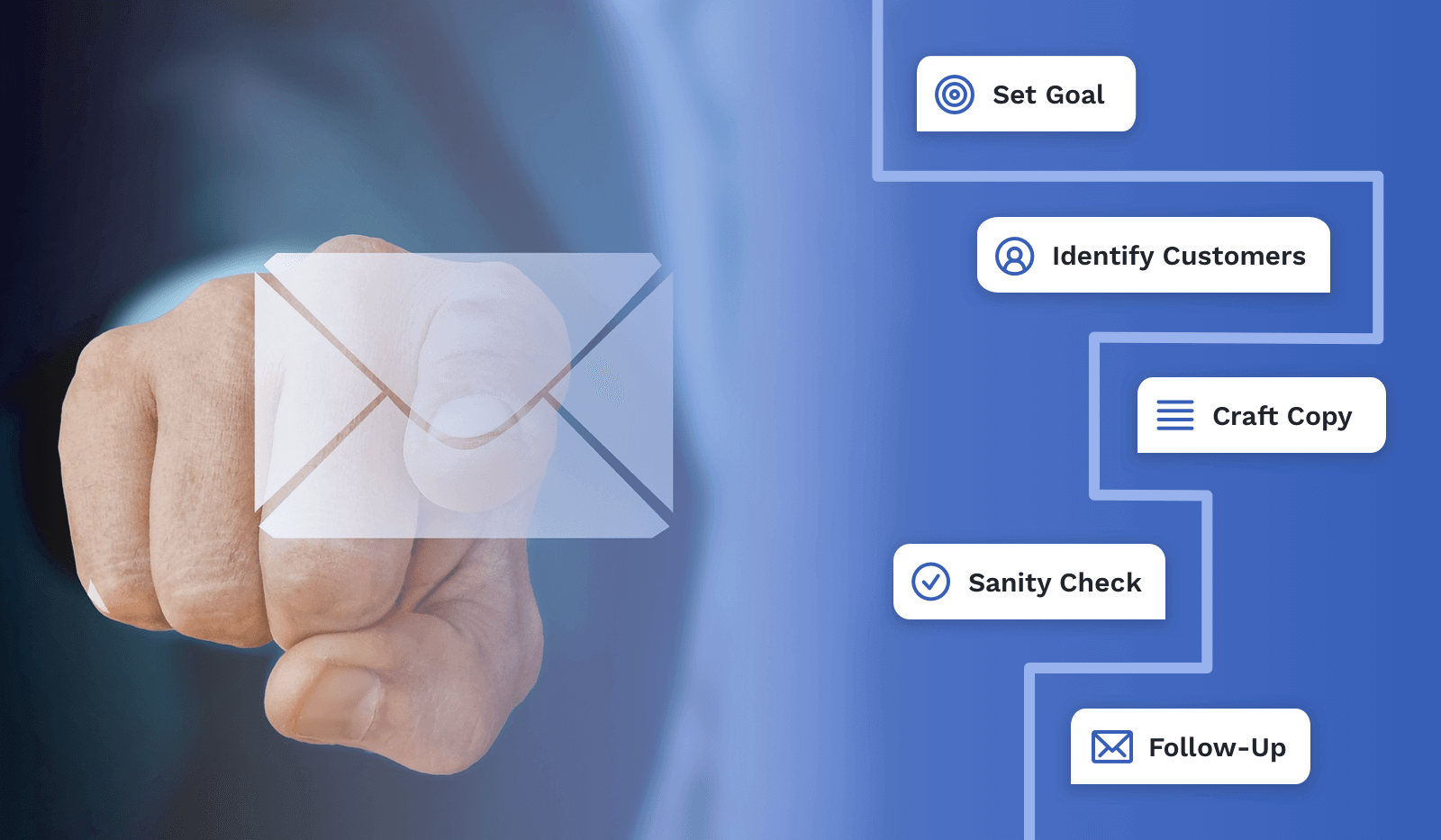
Outreach emails are one of the most powerful tools in digital communication. Whether you’re a marketer reaching out to influencers, a startup founder connecting with potential partners, or a freelancer pitching clients, the ability to write effective outreach emails can make or break your success.


But let’s be honest—most outreach emails never get opened, let alone responded to. Why? Because they’re poorly written, overly generic, or worse, they land straight in the spam folder.
This guide will walk you through everything you need to know about writing outreach emails that actually work—from crafting subject lines to following up politely. Along the way, we’ll explore examples, strategies, and best practices you can apply immediately.
Why Outreach Emails Matter
Despite the rise of social media and instant messaging platforms, email remains the most professional and scalable way to connect with people. A well-written outreach email allows you to:
- Introduce yourself or your business.
- Build relationships with key stakeholders.
- Generate leads, sales, or collaboration opportunities.
- Create long-term value by nurturing contacts.
The problem? Your recipients are often busy, skeptical, and flooded with hundreds of emails daily. That’s why every aspect of your outreach—tone, clarity, personalization, and value—needs to be carefully considered.
Equally important, your outreach emails need to reach the inbox instead of the spam folder. Setting up DMARC helps improve deliverability, protect your brand, and ensure your messages are seen.
Step 1: Start with Clear Goals
Before writing, ask yourself: What am I trying to achieve with this outreach?
Your goal might be:
- Securing a backlink for SEO.
- Pitching your product to potential customers.
- Requesting an interview or meeting.
- Offering a collaboration or partnership.
Once you define your purpose, you can tailor your email to drive the exact action you want the recipient to take.
Step 2: Craft a Compelling Subject Line
Think of your subject line as the gatekeeper. If it’s not compelling, your email will likely be ignored.
Here are some tips:
- Keep it short and clear (ideally under 60 characters).
- Use personalization if possible (e.g., recipient’s name or company).
- Highlight value or curiosity.
- Avoid spammy phrases like “FREE,” “ACT NOW,” or “CLICK HERE.”
Examples:
- “Loved your recent post on remote team productivity”
- “Quick question about your SEO strategy”
- “Partnership idea: doubling your webinar signups”
Step 3: Personalize Your Greeting
Generic greetings like “Dear Sir/Madam” or “To Whom It May Concern” scream mass email. Instead, do your homework and address the recipient by name. Even better, reference something specific about their work, company, or interests to show you’ve done your research.
Bad Example:
Dear Blogger, I came across your website.
Better Example:
Hi Sarah, I loved your recent article on sustainable business growth—it gave me some great ideas to apply to my own projects.
Step 4: Build Rapport Quickly
Your first few sentences set the tone. Instead of jumping into your pitch, take a moment to build rapport. Mention a recent accomplishment, a shared interest, or how you found them.
Example:
I noticed you recently launched a podcast on digital marketing trends. Congratulations on hitting the top 50 in iTunes!
This immediately tells the recipient that you’re paying attention and not just sending a generic blast.
Step 5: Get to the Point
After establishing rapport, don’t waste time. Busy people appreciate concise communication. Clearly explain:
- Who you are.
- Why you’re reaching out.
- What’s in it for them.
For example:
I’m the founder of XYZ Tools, a platform that helps businesses streamline social media scheduling. I believe your audience would benefit from trying our free toolkit, and I’d love to collaborate on a guest post for your blog.
Step 6: Highlight Mutual Value
The golden rule of outreach: Make it about them, not you. Instead of focusing only on what you want, emphasize how they will benefit.
- If you’re pitching a guest post → Show how it adds value to their readers.
- If you’re asking for a backlink → Point out how it enhances their content.
- If you’re proposing a partnership → Outline mutual growth opportunities.
People are more likely to respond when they see a clear upside for themselves.
Step 7: Add Social Proof
Social proof reassures the recipient that you’re credible. This could be:
- Mentioning notable clients or partners.
- Highlighting press coverage.
- Sharing a statistic about your results.
Example:
Our tools are already used by over 10,000 small businesses, including companies like HubSpot and Trello.
Step 8: Create a Clear Call-to-Action (CTA)
End your email with a simple, actionable next step. Avoid vague requests like “let me know what you think.” Instead, be specific.
Examples:
- “Are you available for a 15-minute call next week?”
- “Would you be open to me sending a draft article idea?”
- “Can I share more details about our affiliate program?”
Keep the CTA short and easy to answer with a “yes” or “no.”
Step 9: Keep It Concise
A good outreach email is usually between 100–200 words. Anything longer risks losing the reader’s attention. Think of your email as a teaser—you want to spark interest, not overwhelm them.
Step 10: Proofread and Protect Deliverability
Even a great email won’t work if it never reaches the inbox. Here’s what you need to do:
- Proofread for spelling and grammar errors.
- Avoid excessive links or images.
- Make sure your domain is authenticated with DMARC, SPF, and DKIM to improve deliverability.
Deliverability is often overlooked, but without proper setup, your emails could land in spam folders no matter how compelling they are.
Step 11: Follow Up (Politely)
Most responses happen after the first or second follow-up. Don’t be discouraged if your first email goes unanswered.
Best practices for follow-ups:
- Wait 3–5 business days before following up.
- Keep the tone polite and friendly.
- Restate the value quickly.
- Limit to 2–3 follow-ups max.
Example:
Hi John, just following up on my earlier note about collaborating on a guest post. I’d love to contribute something valuable to your readers. Would this be of interest?
Common Mistakes to Avoid
- Being too salesy: Outreach is about building relationships, not making a hard sell.
- Using templates without personalization: Automation is fine, but customization is key.
- Ignoring deliverability: Without proper authentication like DMARC, your outreach will fail silently.
- Not respecting time zones: Schedule emails thoughtfully for higher open rates.
- Forgetting to add value: Always answer the question, “What’s in it for them?”
Real-World Example of Good Outreach
Subject: “Idea for adding more value to your SEO guide”
Hi Alex,
I loved your in-depth SEO guide—it’s one of the best I’ve read recently. While reading, I noticed that the section on link-building strategies could benefit from some fresh examples.
I recently published a case study showing how we generated 500 high-quality links in three months using a data-driven approach. I’d be happy to share the details with your readers through a guest contribution.
Would you be open to a quick chat about this?
Best,
Lisa
This email is short, personalized, valuable, and ends with a clear CTA.
Thinking Beyond Business Outreach
While outreach emails are often used in marketing and business, they can be applied to countless other contexts—networking, job hunting, nonprofit fundraising, or even lifestyle ventures. For example, if you’re running a niche blog about sustainable living, you might send outreach emails to collaborate with real estate companies promoting tiny homes for sale Hawaii. By aligning your outreach with relevant industries, you can open doors to unexpected opportunities.
Conclusion
Writing effective outreach emails is both an art and a science. It requires empathy, research, clarity, and respect for the recipient’s time. By following the steps in this guide—crafting strong subject lines, personalizing messages, highlighting mutual value, and protecting deliverability with tools like DMARC—you can dramatically increase your chances of getting positive responses.
Remember: outreach is about building relationships, not just transactions. Focus on creating win-win opportunities, and your emails will stand out from the noise.