When it comes to maintaining and upgrading a home, one of the most overlooked aspects is the condition and efficiency of the windows. Windows do much more than let in natural light and provide a view of the outside world. They impact energy efficiency, home security, comfort, and even your property value. Whether your windows are drafty, difficult to open, or just outdated, replacing them can be one of the most rewarding investments you make in your home.In this comprehensive guide, we’ll walk through everything you need to know before, during, and after replacing your windows. From the signs that indicate it’s time for a change to the materials, styles, and process involved, this guide will help you make informed decisions every step of the way.


Why Replacing Your Windows Matters
Windows play a vital role in the structural integrity and functionality of your home. When they begin to fail, a host of issues can arise — from higher energy bills to moisture damage and poor indoor air quality. Here are just a few of the reasons why homeowners choose to invest in new windows:
Energy Efficiency:
Older windows often lack proper insulation, allowing heat to escape in winter and enter in summer. Modern options come with improved technologies that reduce energy consumption.
Improved Comfort:
Better temperature regulation makes your living spaces more comfortable year-round.
Noise Reduction:
Newer windows are designed to block outside noise, creating a quieter indoor environment.
Enhanced Aesthetic Appeal:
Window replacement offers a chance to refresh the look of your home, inside and out.
Increased Home Value:
It’s not always obvious when your windows need to be replaced. Some signs are subtle, while others are impossible to ignore. Here are some common indicators:
1. Drafts or Air Leaks
If you feel a draft near your window, even when it’s closed, it’s a clear sign that the seal has failed and it’s time to consider a replacement.
2. Condensation Between Glass Panes
Double- and triple-pane windows that show fog or condensation between panes typically have seal failure, reducing their insulating effectiveness.
3. Difficulty Opening or Closing
Windows that are warped, painted shut, or have broken mechanisms can become difficult — or even dangerous — to operate.
4. Visible Damage or Decay
Rotting wood, water damage, mold growth, or chipped frames are all signs that your windows may be beyond repair.
5. High Energy Bills
If your heating or cooling costs are unusually high, your windows might be contributing to poor insulation in your home.
Choosing the Right Window Style
There are several window styles available, and each offers a unique set of benefits and aesthetics. The choice often depends on your home’s design and your functional needs.
1. Double-Hung Windows
One of the most popular styles, double-hung windows have two sashes that slide vertically. They are easy to clean and allow for good ventilation.
2. Casement Windows
These windows open outward like a door, operated with a crank. They offer excellent ventilation and airtight sealing.
3. Sliding Windows
Sliding windows move horizontally and are great for wide openings. They are easy to operate and maintain.
4. Awning Windows
Hinged at the top, awning windows open outward and are ideal for areas that need ventilation even during rain.
5. Bay and Bow Windows
These create a dramatic appearance, projecting outward from the wall and offering more space and natural light.
6. Picture Windows
Fixed in place, picture windows are used mainly for unobstructed views and allowing light into a room.
Types of Window Frame Materials
Window frames are just as important as the glass when it comes to performance. Each material has its advantages and trade-offs.
Vinyl
Durable, energy-efficient, and low-maintenance, vinyl is one of the most cost-effective options available.
Wood
A classic choice with excellent insulation properties. Wood requires regular maintenance to prevent rot and insect damage.
Aluminum
Strong and slim, aluminum frames are great for modern aesthetics but conduct heat easily unless thermally broken.
Fiberglass
More expensive than vinyl but offers superior durability and energy efficiency.
Composite
Made from a combination of materials, composite frames combine the benefits of each and are extremely durable.
The Window Replacement Process: What to Expect
Understanding the process of replacing windows can help you prepare and make the experience smoother.
1. Initial Consultation and Assessment
A professional installer will visit your home to assess your existing windows, discuss your needs, and provide a quote.
2. Choosing Your Windows
You’ll select the styles, materials, and finishes that match your home and preferences.
3. Measurement and Ordering
Precise measurements are taken to ensure a perfect fit. Windows are then ordered from the manufacturer.
4. Installation
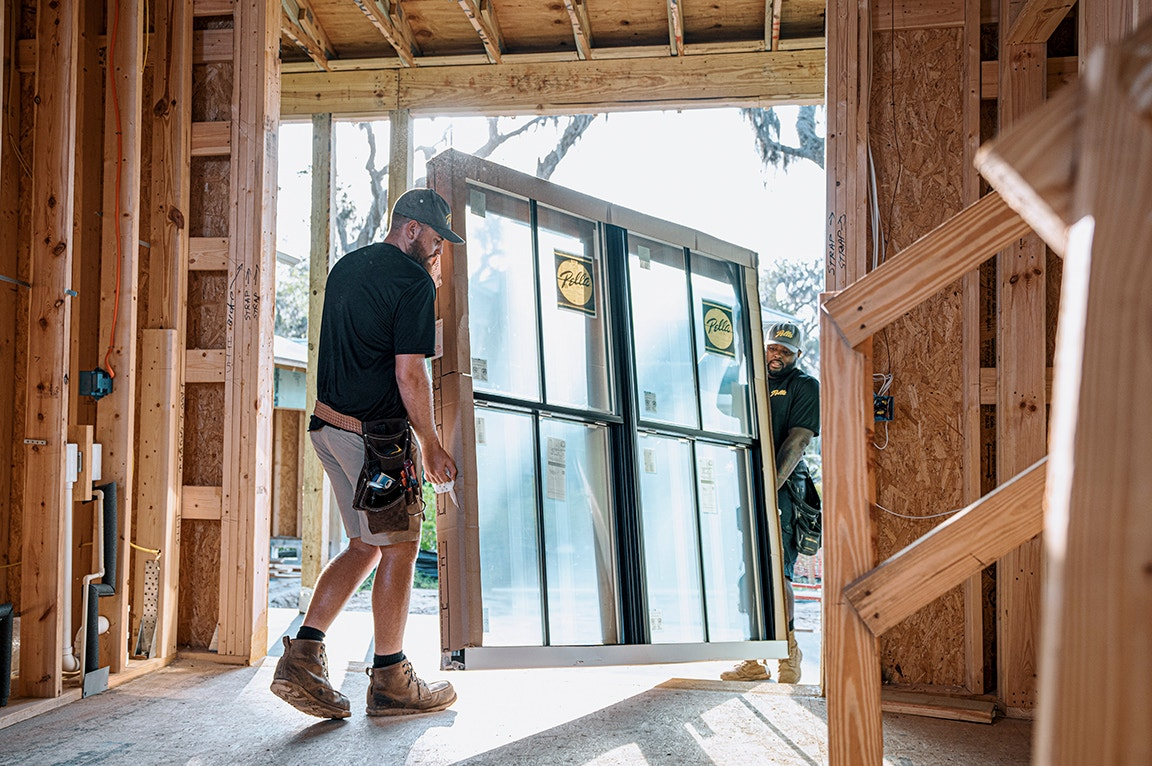
On installation day, old windows are removed, openings are prepared, and new windows are installed. This typically takes a few hours per window.
5. Finishing Touches
Trim, caulking, and insulation are applied to ensure a clean look and energy efficiency.
6. Cleanup and Inspection
Installers clean up the area and perform a final walkthrough to ensure everything is up to standard.
Energy Efficiency and Window Ratings
Understanding window efficiency ratings can help you choose products that will save money in the long run.
- U-Factor: Measures how well the window prevents heat from escaping. Lower is better.
- Solar Heat Gain Coefficient (SHGC): Indicates how much solar radiation enters through the window. Lower is better in hot climates.
- Visible Transmittance (VT): Measures how much light the window lets in.
- ENERGY STAR® Certification: Products that meet strict energy performance guidelines set by the EPA.
Choosing high-efficiency windows will reduce heating and cooling costs while improving comfort in your home year-round.
DIY vs. Professional Installation
While some handy homeowners may consider tackling window installation themselves, it’s a complex job with little margin for error.
DIY Pros:
- Cost savings on labor
- More control over the process
DIY Cons:
- High risk of poor installation
- Potential for leaks and insulation gaps
- May void manufacturer warranty
Professional Installation Pros:
- Expert craftsmanship
- Warranty protection
- Faster, cleaner, and code-compliant installation
Unless you have significant experience, hiring a certified installer is almost always the better option.
Maintenance Tips for Your New Windows
Once your new windows are installed, keeping them in top shape ensures they last as long as possible.
- Clean Regularly: Wipe down frames and glass with non-abrasive cleaners.
- Inspect Seals: Check caulking and weather stripping annually.
- Lubricate Hardware: Apply silicone spray.
Conclusion
A thoughtful window replacement is far more than a cosmetic upgrade. It’s a transformational home improvement that enhances energy efficiency, comfort, security, aesthetics, and long-term durability. But its success depends heavily on accurate planning, proper measurement, correct installation technique, and choosing the right materials.