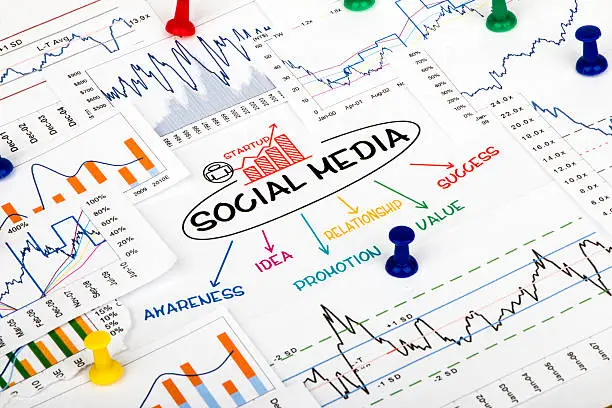
What is social media analytics?
Social media analytics is the process of collecting and analyzing data from social media platforms to understand how users interact with content and brands online. Businesses today use social media management tools to monitor engagement, track audience behavior, and measure the effectiveness of their social campaigns. This data can include everything from likes, comments, and shares to customer reviews and mentions of a product or brand. By understanding these interactions, companies can make informed decisions to improve their marketing strategies, optimize content, and enhance customer experiences.


Essentially, social media analytics allows brands to peek into their audience’s minds, understand what resonates, and adjust their efforts for maximum impact.
Benefits of using social media analytics
Investing in social media analytics provides companies with actionable insights that go beyond vanity metrics like followers or likes. Here’s how businesses can benefit:
1. Improve the quality of products
By tracking audience reactions and feedback across social platforms, businesses can understand which product features are appreciated and which need improvement. For instance, customer complaints or low engagement on posts about certain product features can highlight areas that require attention. Companies can then refine current offerings or design new products that better meet their customers’ needs. This proactive approach often leads to products with higher success rates in the market.
2. Gain a competitive advantage
Social media analytics gives companies a window into competitors’ strategies and audience preferences. By monitoring what customers say about rival brands and analyzing competitor engagement tactics, businesses can discover market gaps or identify opportunities to outperform rivals.
For example, a company might notice an unmet need in its target audience and develop a unique product or amplify promotion of high-performing items. Using AI tools for social media content creation, brands can generate targeted campaigns faster, staying ahead in competitive landscapes.
3. Generate brand loyalty
Analytics can reveal what customers enjoy about a brand beyond a single product. Understanding these preferences helps companies create meaningful interactions that foster long-term loyalty. By engaging the audience effectively and tailoring content to their interests, brands can cultivate strong relationships that turn one-time buyers into repeat customers.
4. Improve customer experience
Social media analytics allows brands to uncover what consumers like, dislike, and expect. This insight can guide improvements in service, product features, and communication strategies. When customers have positive experiences online, they are more likely to engage with the brand, make purchases, and become long-term advocates.
Key objectives of social media analytics
Understanding the benefits is one thing, but businesses also need to define what they want to achieve through analytics. Here are the main objectives:
- Test assumptions of audience behavior and content
Every social media strategy is built on hypotheses about what your audience wants. Analytics allows you to validate these assumptions by measuring engagement, helping you understand whether your content resonates or needs adjustment. - Measure the ROI of social media
Businesses invest heavily in social campaigns, advertising, and automation tools. Analytics provides insight into the return on these investments, helping justify budgets and optimize spending. - Track market trends and competitors
Monitoring competitors and market trends helps brands see what works in their industry, discover emerging opportunities, and avoid pitfalls. Analytics supports strategic planning by revealing audience behavior toward specific types of content. - Support critical business decision-making
Social media insights inform key decisions, from product improvements to budget allocation. For example, sentiment analysis might inspire new product features, while engagement data can guide marketing resource allocation.
Step-by-step social media analytics framework
Step 1: Set clear objectives
Before diving into metrics, define what success looks like for your business. Goals can vary:
- Engagement: Focus on interactions like likes, comments, and shares to build community.
- Conversions: Drive specific actions such as purchases, downloads, or sign-ups.
- Reach: Grow your audience and brand visibility.
- Brand Awareness: Improve recognition and recall, especially for new businesses or markets.
Step 2: Choose the right platforms
Different platforms cater to different audiences and content types:
- Instagram: Ideal for visual storytelling, product showcases, and younger demographics.
- Facebook: Offers broad reach and sophisticated targeting, suitable for audiences over 25.
- LinkedIn: Best for B2B networking, thought leadership, and professional services.
- X (formerly Twitter): Great for real-time updates, trends, and news-driven engagement.
Selecting platforms based on audience behavior ensures better engagement and ROI.
Step 3: Use native analytics tools
Native analytics tools provide accurate, platform-specific insights:
- Instagram insights: Tracks audience demographics, post performance, stories, reels, and IGTV metrics.
- Meta for business: Combines Facebook and Instagram analytics for cross-platform reporting.
- LinkedIn analytics: Monitors engagement, follower demographics, and content performance.
- X Analytics: Offers real-time data on posts, hashtags, and account activity.
These tools should be the primary source of social media data.
Step 4: Track the right metrics
Key metrics to monitor include:
- Engagement Rate: Percentage of users interacting with content.
- Reach and Impressions: Number of unique users and total views.
- Click-Through Rates: Effectiveness in driving traffic to websites or landing pages.
- Follower Growth: Rate and quality of new followers.
- Conversions: Actions like sign-ups, downloads, or purchases.
- Content Performance: Identify the formats that resonate best with your audience.
Step 5: Analyze the data
Transform raw metrics into actionable insights by identifying trends, patterns, and correlations. Consider:
- Trend Identification: Look for engagement patterns over time.
- Content Performance: Compare post types and topics to find what works best.
- Timing Analysis: Identify optimal posting times.
- Audience Insights: Understand demographics, interests, and behaviors.
- Competitive Benchmarking: Compare your performance to competitors and industry standards.
Step 6: Optimize based on findings
Analytics is only valuable if insights are acted upon:
- Adjust posting schedules for peak engagement times.
- Refine content mix by increasing high-performing formats and reducing underperforming ones.
- Experiment with hashtags, messaging, and content styles to maximize results.
Step 7: Report and reflect
Regular reporting ensures that insights guide strategy and demonstrate ROI:
- Monthly Reports: Highlight key KPIs, successes, and areas for improvement.
- Campaign Reports: Evaluate the performance of specific campaigns.
- Dashboards: Visualize trends for quick stakeholder access.
- Quarterly Reviews: Assess long-term patterns and refine strategies.
Include both quantitative data and qualitative insights, like audience feedback or industry shifts, to create a complete picture.
Social media analytics examples
Instagram: Track engagement, reach, and saves. Educational posts may drive more website clicks, while behind-the-scenes content could see higher engagement.
Facebook: Monitor reach and engagement, noting which posts generate shares or conversions. Event promotions can be tracked for actual attendance.
LinkedIn: Analyze which industry-focused posts attract profile views, connection requests, and leads. Measure lead conversion into business outcomes.
X (Twitter): Track hashtag performance, engagement in trending conversations, and response timing to industry news. Assess customer service interactions for reputation management.
Conclusion
Social media analytics is no longer optional—it’s a critical business tool. By collecting and interpreting data from social platforms, companies can improve products, strengthen customer relationships, gain competitive advantages, and make informed business decisions. A structured analytics framework, clear objectives, platform-appropriate strategies, and actionable reporting transform social media from a simple marketing channel into a powerful driver of growth and brand loyalty.
Sources: