Introduction
The sacred blue lotus (Nymphaea caerulea), often referred to as the Egyptian blue water lily, is one of the most revered plants in human history. Known for its captivating beauty, intoxicating fragrance, and mystical symbolism, this flower holds a place of honor in ancient Egyptian mythology, art, and medicine. Beyond its aesthetic allure, the blue lotus has long been associated with states of spiritual enlightenment, relaxation, and even transcendence. In recent times, its resurgence in holistic wellness practices and herbal medicine has rekindled global fascination.


Origins and Historical Significance
The Blue Jewel of Ancient Egypt
The sacred blue lotus was a powerful cultural symbol in ancient Egypt, representing rebirth, creation, and divine connection. It was often depicted in hieroglyphs, temple carvings, and tomb paintings, particularly those associated with the gods Ra and Osiris. The flower’s daily rhythm of opening with the sunrise and closing at dusk mirrored the Egyptian belief in the cyclical nature of life, death, and rebirth.
Priests and pharaohs regarded the blue lotus as a gateway to higher consciousness. Archaeological evidence suggests that it was used in ceremonial rituals to induce mild euphoria and spiritual insight. Ancient texts and art frequently portray figures holding blue lotus flowers to their noses, symbolizing both sensory pleasure and mystical awakening.
Mythological Connections
In Egyptian cosmology, the sacred blue lotus was believed to be the first flower to bloom from the primordial waters of chaos, giving birth to the sun god Ra. This powerful image connected the flower to creation, light, and the emergence of life itself. Because of this myth, the blue lotus became a central motif in funerary art, representing the hope for eternal life and spiritual resurrection.
Botanical Profile and Natural Habitat
The sacred blue lotus belongs to the Nymphaeaceae family, a group of aquatic plants commonly known as water lilies. Native to the Nile River and other parts of East Africa, the plant thrives in slow-moving or still freshwater environments.
- Scientific name: Nymphaea caerulea
- Family: Nymphaeaceae
- Habitat: Freshwater lakes, ponds, and riverbanks
- Blooming period: Summer months
- Distinctive features: Bright blue petals with yellow-golden centers, floating round leaves, and a delicate, sweet fragrance
Though once abundant along the Nile, wild populations of blue lotus have declined due to habitat loss and environmental changes. Today, it is cultivated in various tropical and subtropical regions for ornamental and herbal purposes.
Chemical Composition and Active Compounds
Modern scientific studies have shed light on the chemical makeup of the sacred blue lotus, uncovering the bioactive compounds responsible for its psychoactive and medicinal effects. The most notable constituents include:
- Nuciferine: An alkaloid known for its calming and sedative properties.
- Aporphine: A mild psychoactive compound that may induce feelings of euphoria and relaxation.
- Flavonoids: Potent antioxidants that contribute to cellular protection and general well-being.
- Phenolic acids: Compounds that help fight oxidative stress and inflammation.
These natural chemicals act synergistically, explaining why traditional healers and modern herbalists value the blue lotus for its ability to balance the mind, body, and spirit.
Traditional and Spiritual Uses
Ceremonial and Meditative Practices
In ancient Egypt, the sacred blue lotus was often infused in wine or tea to create a ceremonial drink that enhanced meditative states and dream experiences. Priests and initiates used it to achieve heightened awareness during rituals, believing that the flower connected them to the divine realms.
In modern spiritual circles, the blue lotus continues to serve as a botanical ally for meditation and dreamwork. Many users report that it promotes vivid dreams, inner peace, and emotional clarity. Its subtle psychoactive effects make it a favorite among those seeking natural ways to expand consciousness without harsh or synthetic substances.
Symbolism Across Cultures
Although best known for its Egyptian roots, the symbolism of the blue lotus also resonates across other ancient civilizations. In Buddhist and Hindu traditions, the lotus is a universal symbol of purity and enlightenment, rising unstained from the mud to bloom in radiant perfection. The blue lotus, specifically, represents wisdom and the triumph of spirit over material illusion.
The Rise of Blue Lotus Extract in Modern Wellness
From Ancient Ritual to Herbal Remedy
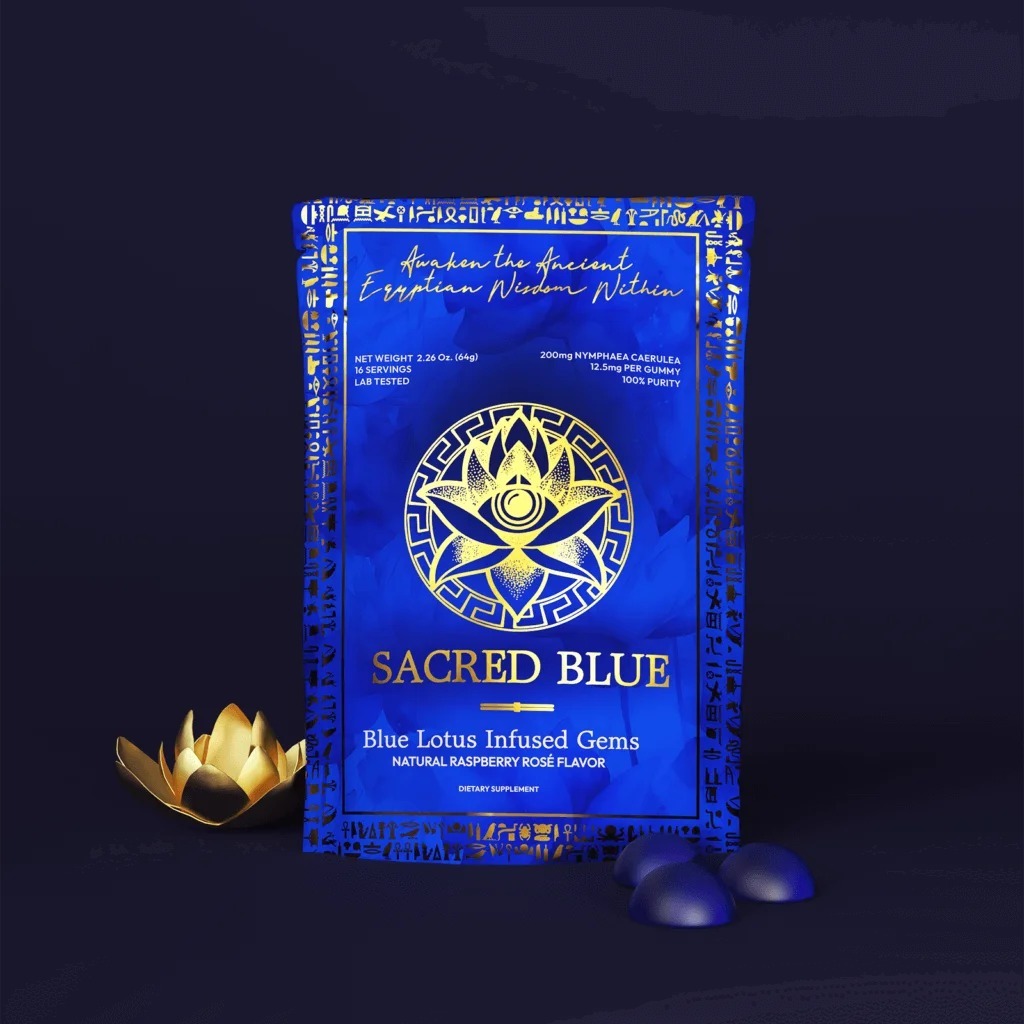
In recent years, Blue lotus extract has gained popularity in the global wellness and herbal supplement market. Extracts are typically derived from the dried petals or stamens of the plant using water, alcohol, or oil as solvents. This concentrated form preserves the plant’s alkaloids and aromatic compounds, offering a potent and convenient way to experience its benefits.
Health Benefits and Therapeutic Uses
While traditional use focused on spiritual and emotional balance, modern research and anecdotal evidence suggest that Blue lotus extract may offer a variety of physical and psychological benefits:
- Natural Stress Relief: The extract’s mild sedative effects can help calm the nervous system, making it useful for managing anxiety and restlessness.
- Improved Sleep Quality: Many users find it helpful for promoting deeper, more restorative sleep.
- Mood Enhancement: Nuciferine and aporphine work together to induce a sense of calm euphoria, easing symptoms of mild depression.
- Aphrodisiac Properties: Historically, the blue lotus was considered a symbol of sensuality. Its extract is believed to enhance libido and intimacy by promoting relaxation and emotional openness.
- Antioxidant Protection: The flower’s flavonoids contribute to overall cellular health by combating free radical damage.
Methods of Consumption
Blue lotus extract can be enjoyed in several ways:
- Tea or infusion: Steeping dried petals or powdered extract in hot water for a soothing beverage.
- Tinctures: Alcohol-based extracts that deliver concentrated effects with just a few drops.
- Smokable blends: Dried petals can be blended with other herbs for a relaxing, non-addictive smoke.
- Aromatherapy oils: Used for massage or diffusion to promote calmness and emotional balance.
As with all herbal remedies, responsible and moderate use is essential. Pregnant or nursing individuals, and those taking medications, should consult a healthcare professional before use.
Safety, Legality, and Ethical Sourcing
The sacred blue lotus is generally considered safe when used responsibly. However, it should not be combined with strong sedatives, alcohol, or prescription medications that affect the nervous system. Most countries classify it as a legal plant, though its sale as a psychoactive substance may be restricted in certain regions.
Ethical sourcing is another vital consideration. Due to the plant’s cultural and ecological significance, consumers are encouraged to purchase from sustainable growers who respect both the environment and traditional knowledge.
Conclusion
The sacred blue lotus is far more than a beautiful aquatic flower—it is a timeless symbol of transformation, serenity, and divine connection. From the temples of ancient Egypt to the meditation circles and herbal apothecaries of today, its legacy continues to inspire awe and healing.
Through modern innovations like Blue lotus extract, this ancient plant has found new life in contemporary wellness practices, offering a bridge between historical wisdom and modern science. Whether used for relaxation, meditation, or holistic health, the blue lotus remains a living reminder of humanity’s eternal quest for enlightenment, balance, and inner peace.