Solar decisions often begin with panel brands and system sizes, but the roof is the real foundation of performance and long-term value. A roof that looks “fine” from the street can still create headaches if its angle wastes sunlight, nearby trees shade key areas, or the surface is nearing the end of its lifespan. Installers view your roof as a working platform: it must capture sunlight efficiently, withstand wind and rain after penetrations are sealed, and remain stable for decades. When homeowners assess suitability early, they avoid expensive redesigns, surprise reroofing, or disappointing production numbers. Orientation, pitch, shading, and roof condition work together, and even one weak link can limit the return you expect. A careful roof review turns solar from a hopeful upgrade into a predictable home improvement.

What Gets Checked First
- Orientation: Where the Roof Faces and Why It Changes Output
Orientation is about the direction your roof planes face relative to the sun’s path, and it affects how many hours per day your panels can produce meaningful power. In the Northern Hemisphere, south-facing roof areas typically receive the most consistent sunlight, while east-facing planes produce more in the morning and west-facing planes produce more in the afternoon. That doesn’t mean non-South roofs are “bad,” but it does mean production timing shifts and totals may change. Installers consider your energy-use pattern, too: a west-facing array can better align with afternoon cooling demand, while an east-facing array may suit early-day usage. They also look at roof complexity—multiple small planes can limit layout options, increase wiring runs, and require more mounting points. Orientation is also tied to local latitude and seasonal angles, which can cause winter production drops if the roof plane is poorly aligned with low sun positions.
- Pitch: The Angle That Determines Sun Capture and Panel Layout
Roof pitch influences both energy performance and installation practicalities. A steeper roof can align panels more directly with winter sun angles, while a low-slope roof may favor summer output and reduce wind lift on modules. However, pitch is not just an energy math problem; it affects how panels are mounted, how crews can work safely, and how water moves around attachment points. On very steep roofs, installers may need additional safety rigging and more time for precise alignment, which can affect project costs. On low-slope roofs, mounting hardware may require tilt racks to increase the angle, which can add weight and change wind loading. Many homeowners use online calculators, but a site-specific evaluation often reveals better choices, especially when pitch interacts with orientation and shading. If you’re reviewing general roof-fit considerations and want a baseline for what installers commonly look for, https://aws-solar.com/ is a useful reference point for solar planning language and common evaluation steps.
- Shading: The Quiet Production Killer on “Good” Roofs
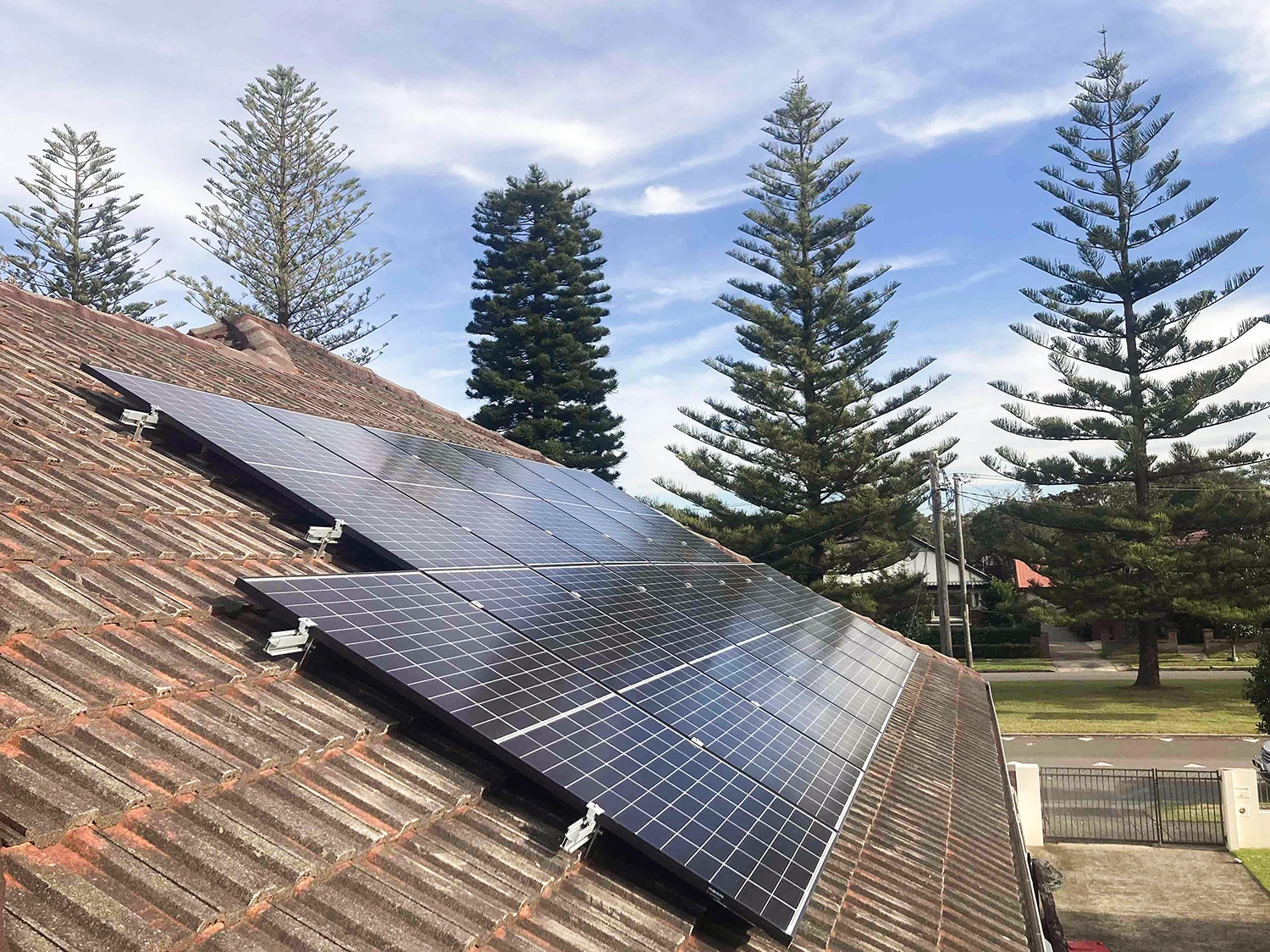
Shading is often the biggest difference between a roof that looks ideal and a roof that actually performs well. Shade can come from trees, chimneys, dormers, neighboring buildings, or even overhead lines, and it changes throughout the day and across seasons. Morning shade from a tall tree may disappear by noon, while winter shade can stretch longer when the sun sits lower. Installers typically assess shading with tools that model the sun’s path and create a production estimate based on real obstructions. Modern systems with module-level electronics can reduce the impact of partial shading, but they cannot create sunlight where it doesn’t reach. Even small shade patterns can lead to hotspots on modules, reduced output, or inconsistent production profiles. Homeowners sometimes plan to trim trees later, but that only helps if trimming is realistic, permitted, and repeated as trees grow back. A shading assessment is less about perfection and more about knowing what output losses are unavoidable.
- Roof Condition: Longevity, Surface Type, and Hidden Risks
Solar panels are long-term assets, and a roof nearing the end of its life can turn a solar project into a two-step process. Installers evaluate roof age, shingle condition, underlayment integrity, flashing health, and signs of past leaks. They also consider the roof material because each type has different mounting methods and long-term risks. Asphalt shingles are common and generally straightforward to mount when done correctly, while tile roofs require careful handling to avoid breakage and may require specialized mounting hardware. Metal roofs can be very solar-friendly, especially standing seam designs that allow clamps without penetrations, but installers still check for rust, fastener integrity, and panel compatibility. Flat roofs often use ballast or low-penetration solutions, but weight limits and drainage must be reviewed. The main point is durability: if a roof will need replacement in the next five to ten years, it may be cheaper and simpler to reroof before installing solar than to remove and reinstall later.
- Structure and Load: Can the Roof Carry the System Safely?
Beyond the surface, the roof structure must safely handle added loads and wind forces. Solar panels and racking add weight, and in some climates, the combined load with wind uplift or snow can become significant. Installers check rafter spacing, decking condition, and signs of sagging or past structural modifications. A roof that has been altered during renovations—such as the removal of supports, the addition of skylights, or changes to truss elements—may require closer review. This is not only about whether the roof can “hold” panels, but also about whether it can withstand long-term stress without shifting, which could compromise flashing and cause leaks. Mounting points must be attached to solid structural members, not only to sheathing. Local building codes can also require specific attachment patterns for wind zones, especially in hurricane-prone regions. A structural check helps ensure the system stays secure for decades, rather than becoming a recurring maintenance concern during storms.
- Realistic Suitability vs. Perfect Suitability
Most roofs don’t need to be perfect to be solar-ready, but they do need to be predictable. A slightly off orientation can still deliver strong annual production if shading is minimal and the roof condition is solid. A moderate pitch can work well if the roof plane has enough usable area for proper spacing and safe mounting. Shading is often the dealbreaker, especially if obstructions block sunlight during peak hours. Roof condition matters because a failing surface can turn a solar project into an expensive removal-and-reinstall cycle later. Suitability is about minimizing avoidable compromises while protecting the roof’s long-term integrity.
- Usable Roof Area: Vents, Valleys, Fire Setbacks, and Layout Limits
Even with good orientation and pitch, the usable area can shrink due to roof features and code requirements. Plumbing vents, attic fans, skylights, chimneys, and roof valleys create no-go zones where panels cannot be placed. Many jurisdictions require fire setbacks along ridges and edges to allow firefighter access, reducing the number of modules that fit. Installers also maintain spacing for airflow and maintenance access, especially on complex roofs. A roof with many small planes may force the array into fragmented sections, increasing wiring complexity and reducing uniform exposure. Sometimes a homeowner has a large roof, but only a portion is usable due to these constraints. That’s why aerial images alone can be misleading. A proper layout accounts for safe walking paths, conduit runs, and locations for junction boxes and inverters. When the array is planned with these realities upfront, the system looks cleaner, performs more consistently, and avoids last-minute redesigns.
A Good Solar Roof Is a Stable, Sunny Platform
Roof suitability for solar is a blend of sunlight access and long-term roof integrity. Orientation determines how much sun your roof planes can capture, while pitch influences both energy timing and installation requirements. Shading can reduce production far more than most homeowners expect, and it changes with seasons, making a proper assessment essential. Roof condition matters because solar is designed to stay in place for decades, and installing on a roof near replacement age can lead to unnecessary costs later. Structural capacity and usable roof area shape what is realistically possible within safety and code limits. When these factors are reviewed together, solar becomes a confident decision rather than a gamble. A roof that provides steady exposure, safe mounting, and durable weather protection is the roof that makes solar feel reliable year after year.