When water damage strikes—whether from a burst pipe, storm flooding, or an overflowing appliance—time is your most valuable resource. The faster you act, the more you save in repairs, structure, and sanity. That’s where professional water damage restoration comes in. This process isn’t just about drying out carpets; it’s a structured series of steps designed to restore your property safely and completely, while preventing hidden problems like mould growth or foundation weakening.


Let’s break down what actually happens from the moment you make that first call to the day your home feels whole again.
1. The Emergency Call: When Minutes Matter
Water damage doesn’t wait for business hours. The first call sets the pace for everything that follows. Restoration teams are typically available 24/7, and within minutes of your call, they’ll begin assessing the type and category of water damage—clean, grey, or black water. This classification dictates how urgent and extensive the cleanup needs to be.
Pro tip: take photos and videos before anyone arrives. These become vital for insurance documentation later.
2. Rapid Response and On-Site Assessment
Once the crew arrives, they don’t start vacuuming immediately. A licensed technician performs a detailed inspection, using moisture meters and infrared cameras to locate hidden damp spots behind walls or under floors.
They’ll also identify the source of the water—whether it’s a broken pipe or roof leak—and take immediate measures to stop it. You’ll usually receive a written estimate or restoration plan before work begins.
3. Water Extraction: The Heavy Lifting Begins
Industrial-grade pumps and wet vacuums go to work next. The goal here is simple—remove standing water as quickly as possible. Every minute the water sits, it seeps deeper into building materials, raising the risk of warping, swelling, and microbial growth.
For basements or crawl spaces, professionals use submersible pumps designed to handle large volumes of water. In upper floors, portable extractors are used for precise suction without damaging flooring.
4. Demolition and Material Removal
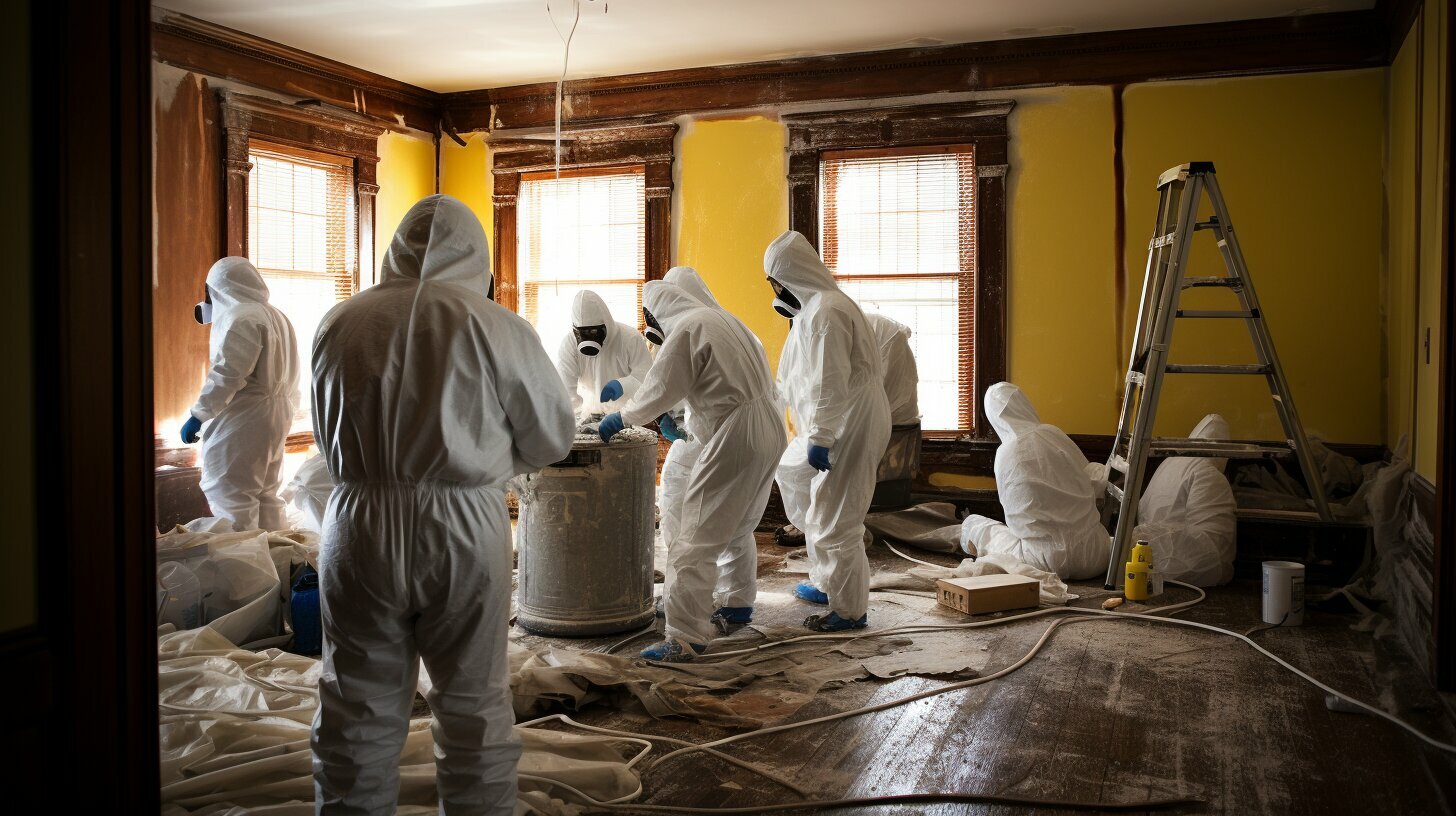
Not everything can be saved. Porous materials—like drywall, carpet padding, and insulation—often need to be removed. In many restoration projects, professional demolition services handle this process to ensure safe and controlled removal of contaminated or damaged materials. This step sounds destructive, but it’s essential. Leaving wet materials in place can trap moisture and trigger mould infestations within 48 hours.
Crews carefully section off affected zones to prevent cross-contamination and use HEPA-filtered vacuums to clear debris safely.
5. Drying and Dehumidification
This is the heart of the process. Industrial air movers, dehumidifiers, and sometimes heaters run continuously to draw out remaining moisture from the air and materials.
Technicians monitor humidity and temperature daily, adjusting airflow and equipment placement to accelerate evaporation. It can take anywhere from 2 to 7 days depending on the extent of the damage.
Why it matters: drying too quickly can warp wood, while drying too slowly allows mould to grow—getting this balance right is what separates professional restoration from amateur attempts.
6. Cleaning, Sanitising, and Odour Removal
Once everything’s dry, the next step is to make the area livable again. This includes deep cleaning all salvageable items—furniture, floors, walls, and even HVAC ducts.
Antimicrobial treatments are applied to kill bacteria or spores that might have taken hold. In cases of sewage backup, this step becomes even more critical to prevent lingering health hazards.
Ozone machines or hydroxyl generators are often used to neutralise musty smells that simple cleaners can’t remove.
7. Structural Repairs and Restoration
Now comes the rebuilding phase. Depending on the scale, this could mean replacing drywall, repainting, reinstalling floors, or even repairing structural framing.
Good restoration companies coordinate closely with general contractors and insurance adjusters during this stage. The aim is to return your property to its pre-damage condition—or better.
For homeowners, this is also the time to consider upgrades: water-resistant materials, sump pumps, or smart leak detection systems to prevent future incidents.
8. Final Inspection and Moisture Verification
Before signing off, technicians perform a final walkthrough. Using moisture sensors and thermal imaging, they confirm every inch of your home is truly dry. They’ll also provide a full report for your insurance company, complete with photos, readings, and notes on all work completed.
This report is your proof that the property is safe, stable, and ready for occupancy again.
9. Insurance Coordination and Documentation
If you filed a claim, the restoration team usually helps handle the back-and-forth with your insurer. They provide line-by-line breakdowns of costs, work logs, and certified documentation.
Some companies even use digital claim portals where you can track progress and access invoices in real-time. This transparency can speed up reimbursement and prevent disputes later on.
For homeowners, it’s worth cross-referencing your insurance coverage for “sudden and accidental” damage—most policies cover this, but not gradual leaks or maintenance issues.
10. Long-Term Prevention: Lessons from the Flood
The job doesn’t end once the walls are dry. The best restoration teams leave you with guidance on how to prevent future damage—things like annual plumbing inspections, gutter cleaning, and adding water alarms in basements or near water heaters.
They might also suggest upgrading to waterproof flooring in high-risk zones like laundry rooms or installing a backflow valve if your area is flood-prone.
Moving Forward with Confidence
Dealing with water damage is stressful, but having a clear process makes all the difference. Professional restoration isn’t just about cleanup—it’s about protecting your home’s health, safety, and long-term value.
Knowing what happens at each stage gives you control in an otherwise chaotic moment. So the next time disaster strikes, you’ll understand not only what’s being done, but why—and that peace of mind is priceless.