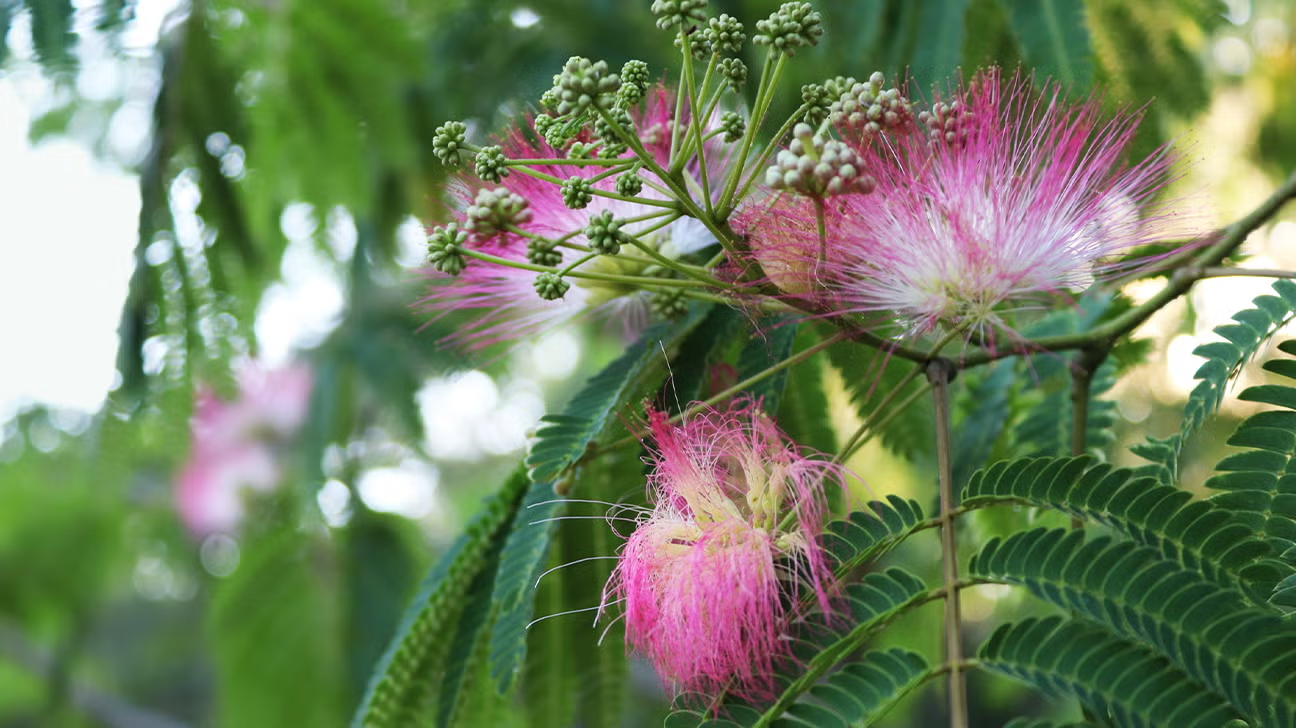
Mimosa hostilis, also known scientifically as Mimosa tenuiflora, stands as one of nature’s most remarkable botanical treasures. This extraordinary tree, native to the tropical regions of South and Central America, has captured the attention of herbalists, crafters, and wellness enthusiasts worldwide for its diverse applications and rich cultural heritage.


For centuries, indigenous communities have recognized the exceptional properties of this remarkable plant. From traditional skincare remedies to natural dyeing techniques, mimosa hostilis has served as a cornerstone of traditional knowledge passed down through generations. What makes this tree particularly fascinating is that while various parts of the plant offer benefits, it’s the inner root bark that contains the most concentrated and valuable compounds.
The growing interest in natural alternatives and sustainable practices has brought mimosa hostilis into the spotlight of modern wellness and craft communities. Whether you’re interested in natural skincare solutions, eco-friendly dyeing methods, or simply learning about this fascinating botanical specimen, understanding mimosa hostilis opens doors to a world of natural possibilities.
Understanding Mimosa Hostilis: Botanical Background
Mimosa hostilis thrives in the dry forests and scrublands of northeastern Brazil and parts of Mexico. This hardy tree demonstrates remarkable resilience, adapting to challenging environmental conditions while developing the concentrated compounds that make it so valuable. The tree can grow up to 8 meters tall and produces distinctive white, fragrant flowers that attract various pollinators.
The root bark, which represents the most prized part of the tree, develops its unique characteristics through the plant’s adaptation to its harsh natural environment. This inner bark contains a complex array of natural compounds, including tannins, saponins, and various phenolic compounds that contribute to its traditional applications.
Sustainable harvesting practices ensure that mimosa hostilis continues to thrive in its natural habitat. Responsible suppliers work directly with local communities to maintain ethical sourcing standards, ensuring that harvesting practices support both environmental conservation and fair compensation for local harvesters.
Traditional Applications and Cultural Significance
The indigenous peoples of Mexico know mimosa hostilis as “Tepezcohuite” or “Tepescohuite,” which translates to “skin tree” in Nahuatl. This name reflects centuries of traditional use for various skin-related applications. Historical records indicate that native communities have utilized this remarkable plant for addressing burns, wounds, and various skin conditions.
Traditional preparation methods varied among different communities, with some creating powders, while others prepared decoctions or topical applications. The knowledge surrounding these preparation techniques was carefully preserved and passed down through generations of traditional healers and community elders.
Beyond skincare applications, mimosa hostilis has played important roles in traditional ceremonies and cultural practices. The tree itself was often considered sacred, with harvesting accompanied by specific rituals and respect for the plant’s contribution to community wellbeing.
Natural Dyeing and Artistic Applications
One of the most celebrated modern applications of mimosa hostilis lies in natural dyeing. The root bark produces beautiful, rich colors ranging from deep purples and reds to warm browns, depending on the preparation method and mordants used. This makes it invaluable for textile artists, fiber enthusiasts, and anyone interested in eco-friendly dyeing alternatives.
The high tannin content in mimosa hostilis root bark creates excellent color fastness, meaning dyed materials maintain their vibrancy over time. This property has made it particularly popular among traditional textile artisans and contemporary eco-conscious creators alike.
Artists working with natural materials appreciate mimosa hostilis for its versatility. The bark can be used to create inks for artwork, stains for woodworking projects, and even natural pigments for various craft applications. The color variations achieved through different extraction methods provide artists with a natural palette that synthetic alternatives cannot replicate.
Modern Skincare and Wellness Applications
Contemporary interest in mimosa hostilis has grown significantly within natural skincare communities. The root bark contains various compounds that traditional knowledge suggests may benefit skin health. Modern users often incorporate powdered mimosa hostilis into homemade skincare preparations, including face masks, gentle exfoliating scrubs, and soothing topical applications.
The natural astringent properties of mimosa hostilis make it particularly interesting for those seeking natural alternatives for oily or problematic skin. Many users report positive experiences when incorporating carefully prepared mimosa hostilis applications into their skincare routines, though individual results may vary.
Some wellness enthusiasts also explore mimosa hostilis for soap making, creating natural, additive-free cleansing products that harness the traditional benefits associated with this remarkable plant. The natural saponins present in the root bark can contribute to gentle cleansing properties.
Preparation Methods and Forms
Mimosa hostilis root bark becomes available in several forms, each suited to different applications. Whole root bark pieces offer the longest shelf life and allow users to prepare their own powders or extractions as needed. This form also enables verification of authenticity and quality through visual inspection.
Shredded mimosa hostilis provides a middle ground between whole bark and powder, offering easier preparation while maintaining good storage characteristics. This form works particularly well for dyeing applications and preparing decoctions or teas.
Powdered mimosa hostilis offers maximum convenience and fastest preparation times. This form integrates easily into skincare preparations, artistic projects, and other applications requiring fine particle size. However, powder form requires careful storage to maintain potency and prevent degradation.
When preparing mimosa hostilis for various applications, proper techniques ensure optimal results. For dyeing applications, slow heating and extended steeping times help extract maximum color compounds. For skincare applications, gentle preparation methods help preserve beneficial compounds while creating smooth, easily applicable preparations.
Quality Considerations and Sourcing
Authentic mimosa hostilis should exhibit specific characteristics that indicate quality and proper harvesting. High-quality root bark displays a distinctive reddish-purple interior when cut or broken, indicating the presence of concentrated active compounds. The bark should feel firm and dry, without signs of mold, excessive moisture, or unusual odors.
Sustainable sourcing represents a crucial consideration when selecting mimosa hostilis products. Responsible suppliers maintain relationships with local harvesters who follow ethical harvesting practices, ensuring fair compensation and environmental sustainability. This approach helps preserve wild mimosa hostilis populations while supporting local communities.
Storage plays a vital role in maintaining mimosa hostilis quality over time. Proper storage in cool, dry conditions away from direct sunlight helps preserve the natural compounds that make this botanical material valuable. Airtight containers prevent moisture absorption and contamination while extending shelf life.
Safety and Responsible Use
While mimosa hostilis enjoys a long history of traditional use, responsible application remains essential. Like any natural product, individual sensitivities may occur, making patch testing advisable before extensive use in skincare applications. Starting with small amounts and observing individual responses helps ensure safe and beneficial experiences.
Proper preparation techniques also contribute to safe use. Clean tools, fresh materials, and appropriate storage prevent contamination and maintain product integrity. Following established preparation methods based on traditional knowledge helps ensure optimal results while minimizing potential issues.
For those new to working with mimosa hostilis, starting with simple applications allows for gradual learning and experience building. This approach enables users to develop familiarity with the material while observing how their individual needs and preferences align with various preparation methods.
Embracing Natural Alternatives with Mimosa Hostilis
Mimosa hostilis represents more than just a botanical curiosity—it embodies a bridge between traditional wisdom and contemporary natural living. Whether your interest lies in exploring natural skincare alternatives, creating beautiful eco-friendly dyes, or simply learning about remarkable plants, mimosa hostilis offers numerous avenues for discovery and application.
The growing community of mimosa hostilis enthusiasts continues to share knowledge, experiences, and innovative applications, creating a rich resource for newcomers and experienced users alike. By approaching this remarkable plant with respect for its traditional uses while exploring modern applications, we can appreciate both its cultural significance and practical benefits.
As interest in sustainable, natural alternatives continues to grow, mimosa hostilis stands ready to offer its unique contributions to those seeking authentic, earth-friendly solutions. The key lies in approaching this botanical treasure with proper knowledge, respect for traditional wisdom, and commitment to responsible sourcing and use.