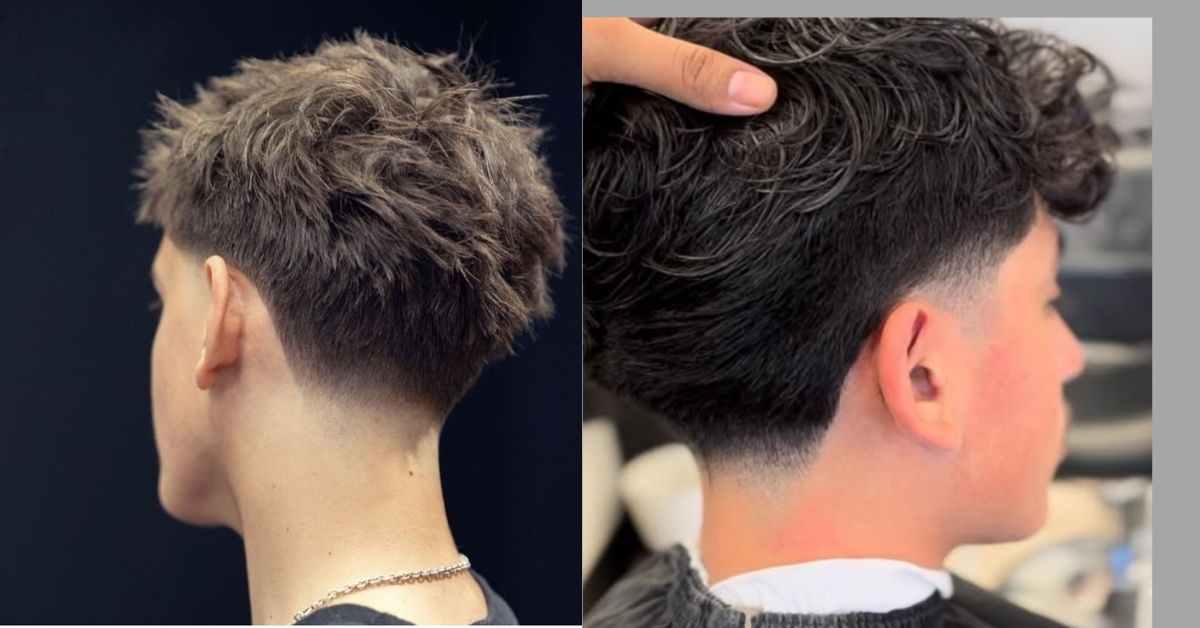
The low taper fade is one of the most popular men’s haircuts today. A progressive fade that begins just above the ears and flows gently down to the neckline is combined with clean lines.Unlike bold fades that stand out immediately, this cut is more subtle. That makes it a great choice for both casual and professional looks.


Men love this style because it balances neatness with modern appeal. It does not demand much daily effort, yet it always looks sharp. Another reason it has become so popular is its ability to work with any hair type. Whether you have curly, wavy, or straight hair, the low taper fade adapts well and grows out evenly.
Why Choose a Low Taper Fade
Selecting a low taper fade hairstyle entails selecting ease and versatility. This haircut suits young men who want trendy styles, as well as professionals who need a polished appearance. The fade produces a smooth transition because it begins low. This makes it less dramatic than a high fade but still very stylish.
The haircut is also low-maintenance. It grows out evenly, so you can go longer between barbershop visits. This is a big advantage compared to sharper fades that lose their shape quickly. Plus, the low taper fade works with many top styles such as slick backs, comb-overs, or textured crops. That flexibility makes it one of the most reliable men’s haircuts.
Styling Options with Low Taper Fade
One of the best things about the low taper fade is that it acts like a base for countless hairstyles. If you like a neat and formal look, you can pair it with a side part or a comb-over. If you prefer something more relaxed, leave your hair natural or use a matte paste for texture.
The fade highlights the natural curls on top of curly hair while maintaining clean sides. For straight hair, it adds a clean frame that can be styled with volume or kept sleek. No matter the choice, the fade ensures the haircut always looks balanced. This is why many barbers call it the foundation haircut; it gives structure to almost any style.
Maintenance and Care
Maintaining a low taper fade is simple, which is one of the reasons men prefer it. Most people only need to visit the barber every three to four weeks. Between visits, keeping the neckline and sideburns trimmed with a small trimmer helps maintain the sharpness.
At home, styling is easy. A quick wash and a small amount of product are often enough. Pomade works well for slick styles, while matte paste gives texture without shine. Avoid using too much product because it can weigh the hair down. With minimal effort, this haircut stays fresh and stylish.
Low Taper Fade vs. Other Fades
It is helpful to contrast the low taper fade with other fade types in order to better appreciate its appeal:
| Haircut Style | Fade Starting Point | Look & Feel |
| Low Taper Fade | Just above the ears | Subtle, balanced, professional |
| Mid Fade | Around the temples | Bolder, trendy, eye-catching |
| High Fade | Near the crown | Dramatic, sharp, modern |
| Skin Fade | Blends into skin | Ultra-clean, high contrast |
This table shows how the low taper fade stands out as the most versatile and professional option.
Conclusion
The low taper fade is more than just a haircut. It is a timeless style that blends subtle elegance with modern sharpness. Because it works with all hair types, suits every face shape, and requires little maintenance, it has become a go-to style worldwide. Whether you are a student, a working professional, or simply someone who enjoys looking sharp, this haircut is worth trying.
FAQs about Low Taper Fade
1. What is the duration of a low taper fade?
It usually looks fresh for three to four weeks before needing a touch-up.
2. Is a low taper fade good for all hair types?
Yes, it works well on straight, wavy, and curly hair.
3. Can I style a low taper fade at home?
Yes, with basic products like pomade or matte paste, it’s easy to style.
4. What’s the difference between low and high taper fade?
Whereas the high fade begins significantly higher on the head, the low fade begins close to the ears.
5. Is the low taper fade professional?
Yes, it is subtle enough for formal settings but stylish enough for casual looks.