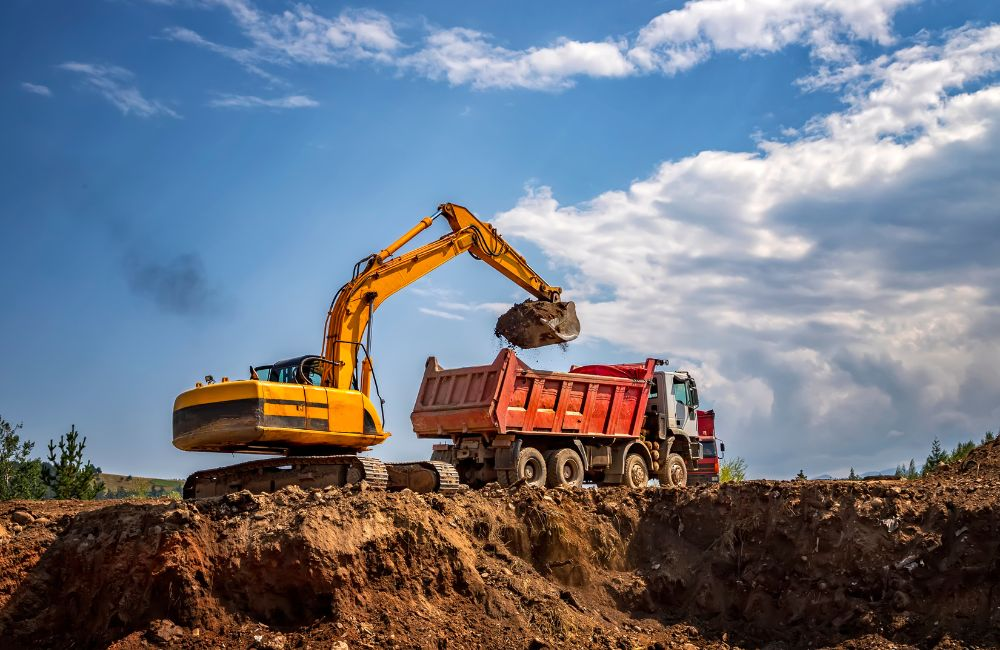
Every successful construction project begins with one fundamental phase — site preparation. Long before walls go up or roofs are built, the land must be properly cleared, leveled, and stabilized. This critical stage determines the long-term integrity of any structure, whether it’s a residential home, commercial facility, or industrial development. At the heart of this foundational work is a highly skilled professional known as the excavation contractor.


Although excavation might seem like a straightforward process of digging and moving soil, it’s a discipline that demands technical precision, strategic planning, and a deep understanding of site-specific challenges. This article explores the role of excavation in construction, what to look for when hiring an excavation specialist, and why cutting corners at this stage can lead to costly consequences down the line.
What Excavation Work Involves
Excavation encompasses far more than operating heavy machinery. It’s a comprehensive process designed to prepare the land for construction by ensuring stability, safety, and compliance with engineering standards. The typical responsibilities of an excavation contractor include:
- Clearing the land of trees, stumps, rocks, and debris
- Grading and leveling the site according to architectural plans
- Excavating trenches for foundations, basements, or utility lines
- Compacting soil to provide a solid base for structures
- Installing drainage systems and controlling runoff
- Removing contaminated or unsuitable soil
Each of these tasks plays a critical role in the overall safety and durability of the project. Mistakes made during excavation can lead to issues like uneven foundations, poor drainage, or soil shifting, which can compromise the integrity of the entire structure.
Why Excavation is the Backbone of Any Construction Project
Many construction professionals consider excavation to be the backbone of the building process. While it’s one of the first physical stages, its influence is long-lasting. A quality excavation job ensures:
1. Structural Integrity
Buildings depend on a solid foundation. If the ground beneath isn’t stable or compacted correctly, even the most well-designed structure is at risk. The excavation process helps remove weak soil and replace it with material capable of bearing heavy loads.
2. Drainage and Water Management
Improper water flow can result in foundation cracks, mold growth, or even structural collapse over time. Grading and trenching performed during excavation ensures that rainwater or groundwater is channeled safely away from the building.
3. Accurate Layout
Excavation aligns the project with architectural plans, ensuring that the structure is built in the correct location, at the right elevation, and with the necessary slope. This accuracy is especially important for larger developments or properties with complex layouts.
The Skill Set of a Professional Excavation Contractor
Given the complexity of modern construction, hiring the right excavation professional is not a decision to take lightly. The best contractors bring a combination of technical skills, real-world experience, and specialized equipment.
Key Skills and Qualifications:
- Technical Knowledge: Understanding soil composition, load-bearing capacity, and water flow
- Machinery Operation: Proficiency in using excavators, bulldozers, backhoes, and trenchers
- Reading Blueprints: Ability to interpret architectural and engineering plans
- Problem-Solving: Quickly adapting to unexpected underground obstacles or weather conditions
- Safety Awareness: Following strict protocols to protect workers, nearby properties, and underground utilities
A seasoned excavation contractor will have the expertise to anticipate challenges before they become problems. Whether it’s discovering an underground water line or navigating uneven terrain, their foresight can save time, money, and frustration.
Technology and Modern Excavation
Like many industries, excavation has evolved dramatically thanks to technology. Today’s excavation professionals often use advanced tools to increase precision and efficiency:
- GPS and Laser-Guided Equipment: For pinpoint-accurate grading and trenching
- 3D Site Modeling: To simulate excavation before any digging starts
- Drone Surveys: To assess large or complex sites from above
- Soil Monitoring Tools: To analyze compaction, moisture, and stability in real time
By leveraging these technologies, contractors can complete work faster and with fewer errors. They also make it easier to ensure compliance with engineering specifications and environmental regulations.
What to Consider When Hiring an Excavation Contractor
Choosing the right excavation professional is essential for setting your project on the right path. Here are a few critical factors to evaluate:
1. Experience and Portfolio
Look for a contractor with a proven track record in projects similar to yours. Ask for references, view past work, and assess whether they’ve handled similar site conditions or challenges.
2. Licensing and Insurance
Ensure that the contractor is licensed for excavation work and carries liability insurance, worker’s compensation coverage, and equipment protection.
3. Equipment and Crew
A reputable excavation contractor will own or have access to up-to-date machinery and a trained crew capable of handling the work efficiently and safely.
4. Cost Transparency
Ask for a written estimate that includes labor, equipment, disposal fees, and unexpected contingencies. Be cautious of contractors who offer extremely low bids — it could be a sign of inexperience or hidden costs.
5. Communication and Availability
Clear, responsive communication is key. You want a contractor who will keep you informed throughout the process, show up when scheduled, and stick to the agreed-upon timeline.
Common Excavation Challenges and How Professionals Handle Them
Even the most well-planned projects can encounter issues during excavation. Professionals are equipped to manage these challenges efficiently:
- Unexpected Utilities: Professional contractors call for utility locates before digging to prevent damage to gas, water, or electrical lines.
- Poor Soil Quality: If soil is too loose or wet, it may need to be replaced or reinforced with gravel or engineered fill.
- Environmental Restrictions: Some areas require erosion control measures, tree protection zones, or stormwater management plans.
- Weather Delays: Rain or snow can cause delays. An experienced contractor will factor weather into their schedule and have contingency plans in place.
Handling these issues quickly and correctly is what separates professionals from amateurs. A capable excavation contractor keeps your project moving forward without compromising quality.
Excavation Safety: A Top Priority
Excavation is one of the most dangerous phases in construction. Working with heavy equipment near deep trenches poses serious risks, which is why strict safety protocols are essential.
Professional contractors follow safety standards such as:
- Trench Protection: Using trench boxes or shoring to prevent cave-ins
- Utility Locating: Identifying underground utilities to avoid accidents
- Proper PPE: Ensuring workers wear hard hats, high-visibility vests, and steel-toe boots
- Equipment Training: Only trained operators use machinery
- Site Supervision: A safety supervisor is often on-site to enforce regulations
These measures not only protect workers but also prevent damage to surrounding properties and public infrastructure.
The Long-Term Value of Proper Excavation
Investing in quality excavation isn’t just about getting through the first phase of construction — it sets the stage for everything that follows. Here’s what proper excavation supports:
- Longevity of the Structure: A solid base ensures fewer foundation issues over the building’s lifetime
- Lower Maintenance Costs: Good grading reduces water pooling and erosion
- Fewer Construction Delays: Precision work prevents problems that could impact other trades later
- Improved Property Value: Sites that are properly excavated are easier to build on, expand, or resell
Given how impactful this phase is, it’s easy to see why working with a reliable excavation contractor is a smart decision for any property owner or developer.
Final Thoughts
Excavation may not be the most glamorous part of construction, but it is undoubtedly one of the most important. It is the phase where dreams begin to take shape — where plans are transformed from paper into physical form. It’s also the stage where the consequences of shortcuts can be severe and costly.
Whether you’re planning a new home, a commercial build, or a complex development, never underestimate the importance of high-quality excavation. Partnering with a knowledgeable, experienced, and well-equipped excavation contractor in Broward County ensures that your project begins with the strength, precision, and reliability it needs to succeed.
From clearing the first tree to compacting the final inch of soil, the right contractor doesn’t just dig — they build the future foundation of your project.