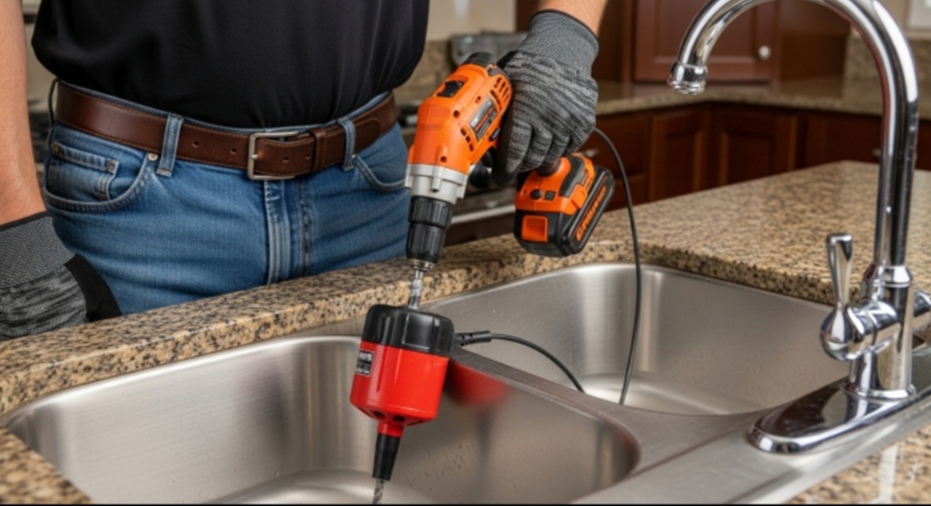
A blocked kitchen sink is one of the most frustrating household problems. It disrupts your daily routine, leaves unpleasant odors, and can even cause water damage if left untreated. Whether the blockage is caused by grease, food particles, or soap scum, the good news is that you can often fix it yourself without calling a plumber.


Just as maintaining a functional and stylish space through kitchen designs Melbourne experts ensures your kitchen looks its best, keeping your sink clean and clear ensures it works efficiently every day.
In this guide, you’ll learn step-by-step methods to unblock your kitchen sink, from quick DIY fixes to deeper cleaning solutions.
Why Kitchen Sinks Get Blocked
Before diving into solutions, it’s important to understand what causes a blockage. Knowing the root cause helps prevent it from happening again.
1. Food Debris
Leftover food particles are the most common culprit. Even small crumbs or bits of rice can accumulate and cause clogs over time.
2. Grease and Fat
When you pour grease or oil down the sink, it hardens as it cools, sticking to the inside of your pipes and trapping debris.
3. Soap Scum
Certain dish soaps contain fats that combine with minerals in water to form a sticky residue that narrows your pipes.
4. Coffee Grounds
These often clump together and form stubborn blockages that are difficult to wash away.
5. Foreign Objects
Small items like bottle caps or utensils can accidentally fall into the drain, causing a complete blockage.
Signs Your Kitchen Sink Is Blocked
Sometimes, a clog builds up gradually. Watch out for these signs that indicate a partial or complete blockage:
- Water draining slowly or not at all.
- Gurgling sounds coming from the pipes.
- Foul smells rising from the drain.
- Water backing up into the sink.
Recognizing these early signs helps you act before the problem worsens.
Step-by-Step Guide: How to Unblock a Kitchen Sink
Now let’s explore several proven methods to unclog your kitchen sink. Start with the simplest and least invasive techniques before moving to more advanced ones.
Step 1: Boiling Water Method
This is the easiest and most cost-effective way to remove minor blockages caused by grease or soap buildup.
What You Need:
- Kettle or large pot of boiling water
Steps:
- Boil a full kettle or pot of water.
- Carefully pour it down the drain in two to three stages, allowing each round to work for 10–15 seconds.
- Turn on the tap to see if the water drains properly.
Tip: Avoid this method if you have PVC pipes, as extreme heat might soften them.
Step 2: Baking Soda and Vinegar
A natural, eco-friendly alternative to harsh chemicals, baking soda and vinegar create a fizzing reaction that breaks down mild clogs.
What You Need:
- 1 cup of baking soda
- 1 cup of white vinegar
- Boiling water
Steps:
- Pour the baking soda down the drain.
- Follow with the vinegar and immediately cover the drain with a plug or cloth.
- Let it sit for 15–20 minutes.
- Pour boiling water to flush away residue.
This method is safe, inexpensive, and ideal for regular maintenance.
Step 3: Plunger Method
If boiling water and natural cleaners don’t work, it’s time to use a plunger.
What You Need:
- Standard cup plunger
- Wet cloth
Steps:
- Fill the sink halfway with hot water.
- Place the plunger over the drain and ensure a tight seal.
- Plunge vigorously 10–15 times.
- Lift the plunger to see if the water drains.
If you have a double sink, block one drain with a wet cloth to create better suction.
Step 4: Check and Clean the Trap
If the blockage persists, it may be in the P-trap (the curved pipe beneath the sink).
What You Need:
- Bucket
- Wrench or pliers
- Old toothbrush
Steps:
- Place the bucket under the P-trap to catch any water.
- Unscrew the slip nuts using a wrench.
- Remove the trap and clean out debris using a toothbrush.
- Reassemble the pipe and test by running water.
Cleaning the trap regularly prevents buildup and future clogs.
Step 5: Use a Drain Snake
For more stubborn clogs located deeper in the pipes, a drain snake or auger can be highly effective.
Steps:
- Insert the snake into the drain and twist it clockwise.
- Push it until you feel resistance that’s the blockage.
- Rotate the handle to break up or pull out debris.
- Remove the snake and flush with hot water.
If you don’t have a drain snake, a straightened wire hanger can work as a temporary solution.
Step 6: Try a Chemical Drain Cleaner (As a Last Resort)
Chemical drain cleaners can dissolve tough clogs, but they should only be used sparingly. Frequent use may corrode your pipes and harm the environment.
Safety Tips:
- Always wear gloves and eye protection.
- Follow the manufacturer’s instructions carefully.
- Never mix different drain cleaners.
For long-term safety, stick to natural or mechanical methods when possible.
Preventing Future Blockages
Once your sink is unclogged, you’ll want to keep it that way. Prevention is easier and cheaper than dealing with future blockages.
1. Use a Sink Strainer
A strainer prevents large food particles from going down the drain.
2. Avoid Pouring Grease
After cooking, pour grease into a container and dispose of it in the trash instead of the sink.
3. Run Hot Water Regularly
Flush your drain with hot water once a week to dissolve any minor residue.
4. Clean with Baking Soda
Pour a mix of baking soda and hot water weekly to prevent buildup.
5. Empty the Trap Occasionally
Removing and cleaning the P-trap every few months helps keep your pipes clear.
Kitchen experts from kitchen designs Melbourne often suggest incorporating well-designed sinks and plumbing layouts during kitchen remodels to minimize drainage issues and improve long-term maintenance.
Eco-Friendly Tips for Sink Maintenance
Many commercial drain cleaners are toxic, but you can keep your sink clean with natural methods that are safer for both your home and the environment.
- Use lemon and vinegar to cut grease and neutralize odors.
- Mix salt and baking soda for gentle scrubbing.
- Keep your garbage disposal clean by grinding ice cubes and citrus peels weekly.
Not only do these methods help your sink function better, but they also align with sustainable home practices that modern kitchen designs Melbourne homeowners are embracing.
When to Call a Professional Plumber
Sometimes, no matter how hard you try, the clog just won’t budge. That’s when it’s time to call a licensed plumber.
Signs You Need Professional Help:
- Water backs up into other drains when using the sink.
- There’s a foul odor that doesn’t go away.
- You hear gurgling sounds in nearby drains.
- The blockage keeps returning after several fixes.
A plumber has specialized tools such as hydro-jetters and pipe cameras to locate and remove stubborn blockages safely.
The Role of Kitchen Design in Drainage Efficiency
Believe it or not, your kitchen’s design affects how well your sink and plumbing system perform. A poorly designed kitchen can make drainage problems more frequent.
Professionals who specialize in kitchen designs Melbourne focus not only on aesthetics but also on functionality ensuring your plumbing is positioned correctly, pipes are accessible, and waste systems are efficient.
Design Factors That Improve Drainage:
- Proper slope for drainage pipes.
- Well-placed sink relative to plumbing connections.
- Use of high-quality materials resistant to buildup.
- Adequate space for cleaning and maintenance.
So, if you’re planning a kitchen remodel, consider how your design choices impact long-term plumbing performance.
Common Mistakes to Avoid When Unblocking a Sink
- Using too much force with a plunger can damage seals or cause leaks.
- Mixing cleaning chemicals can produce dangerous fumes.
- Ignoring recurring clogs may indicate deeper pipe issues.
- Pouring boiling water on PVC pipes excessive heat can warp them.
- Skipping routine cleaning, small residues build up quickly.
Avoiding these mistakes will help keep your kitchen sink running smoothly.
How Often Should You Clean Your Kitchen Sink Drain?
Even if your sink isn’t blocked, it’s a good idea to clean it regularly.
- Weekly: Flush with hot water and baking soda.
- Monthly: Deep clean with vinegar or remove the trap for inspection.
- Seasonally: Inspect for leaks or signs of buildup.
Consistent maintenance ensures your sink remains efficient and odor-free.
Conclusion
Unblocking a kitchen sink doesn’t have to be difficult. With a few household items and a bit of patience, you can restore proper drainage in no time. From simple methods like boiling water to deeper cleaning techniques such as removing the P-trap, these solutions can save you money and stress.
Prevention is key avoid pouring grease, use a strainer, and clean regularly to keep your plumbing in top shape.
If you’re redesigning your space or upgrading your kitchen, consult kitchen designs Melbourne professionals. They can help you choose fixtures and layouts that not only look stunning but also enhance your kitchen’s efficiency and minimize future plumbing problems.