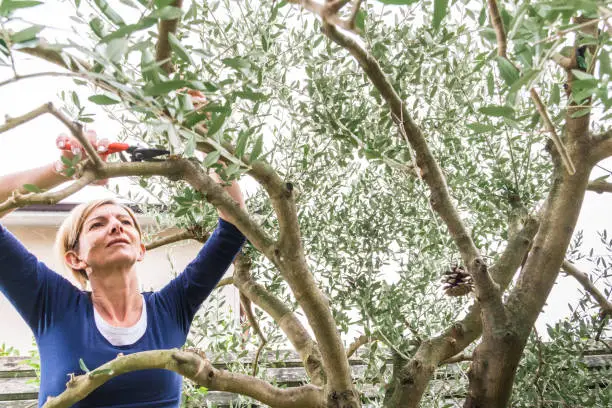
Olive trees are cherished not only for their beautiful silvery foliage but also for producing delicious olives that can enhance your culinary experiences. These resilient trees are well-suited to various climates, particularly those that are warm and sunny. However, to ensure that your olive trees thrive and produce fruit year after year, proper care is essential. Understanding their specific needs regarding water, sunlight, soil, and nutrition will help you cultivate healthy and productive trees.


For those interested in starting their own olive tree garden, learning about olive tree care is crucial. This guide will explore the best practices and techniques for caring for olive trees throughout the changing seasons, ensuring they remain healthy and vibrant.
From planting to pruning, we’ll cover everything you need to know to keep your olive trees flourishing, whether you’re growing them in your backyard or in containers.
1. Choosing the Right Variety
The first step to successful olive tree care is selecting the right variety for your environment. Different olive tree varieties have varying growth habits, fruiting characteristics, and climate preferences. Some popular varieties include the Kalamata, known for its rich flavor, and the Manzanillo, which produces abundant green olives.
Consider your local climate when choosing a variety. Most olive trees thrive in Mediterranean climates, which feature hot, dry summers and mild, wet winters. However, certain varieties can also adapt to more temperate or subtropical conditions. Researching the specific needs of each variety will help you make an informed decision, ensuring that your olive trees will flourish in your garden.
2. Ideal Planting Conditions
Olive trees prefer well-drained, sandy or loamy soil with a slightly alkaline pH. Before planting, it’s essential to prepare the soil adequately. You can improve drainage by incorporating organic matter or sand into the soil. Avoid heavy clay soils that retain water, as olive trees are prone to root rot in overly wet conditions.
Choose a sunny location for planting, as olive trees thrive in full sunlight, requiring at least six to eight hours of direct sunlight daily. The ideal planting time is in the spring or fall when temperatures are milder, allowing the roots to establish before the heat of summer or the cold of winter sets in. By ensuring optimal planting conditions, your olive trees will be well on their way to thriving.
3. Watering Requirements
One of the most critical aspects of olive tree care is managing their watering needs. Olive trees are drought-tolerant once established but require regular watering during their early growth stages. Ensure that the soil remains consistently moist but not waterlogged, especially in the first few years.
During dry spells, it’s crucial to water deeply rather than frequently, encouraging deep root growth. As a rule of thumb, water your olive trees every two to three weeks during hot weather, reducing the frequency in cooler months. Keep an eye on the soil’s moisture level and adjust your watering schedule accordingly. Proper watering will help your olive trees flourish and produce better yields.
4. Fertilizing for Healthy Growth
Fertilizing is essential for promoting healthy growth and fruit production in olive trees. Start with a balanced, slow-release fertilizer specifically formulated for fruit trees. Apply fertilizer in early spring as new growth begins, and again in late summer to support the next harvest.
If your soil is particularly poor, consider adding organic matter like compost to improve nutrient levels. Olive trees generally prefer lower nitrogen levels, so avoid fertilizers that are too high in nitrogen, which can lead to excessive leaf growth at the expense of fruit production. Regular fertilization will ensure your olive trees receive the nutrients they need to thrive.
5. Pruning Techniques
Pruning is an essential part of olive tree care that encourages healthy growth and enhances fruit production. The best time to prune olive trees is in late winter or early spring, just before the new growth begins. This timing minimizes stress on the tree and encourages vigorous new shoots.
Focus on removing dead or damaged branches, as well as any that are crossing or overcrowding the center of the tree. Pruning should be done to shape the tree and improve air circulation, which can help prevent diseases. Aim for an open center to allow light to penetrate, fostering better fruit production. Proper pruning techniques will keep your olive trees healthy and productive for years to come.
6. Pest and Disease Management
While olive trees are generally hardy, they can be susceptible to pests and diseases. Common pests include olive fruit flies, scale insects, and spider mites. Regularly inspect your trees for signs of infestation and take appropriate measures to manage any issues.
If you notice pests, consider using organic insecticides or neem oil as a treatment. Additionally, maintaining healthy trees through proper care practices can help prevent pest problems. For diseases like olive knot or root rot, ensure good air circulation and avoid overwatering. By being proactive about pest and disease management, you can keep your olive trees thriving.
7. Seasonal Care Adjustments
Caring for olive trees involves adapting your care routine to the changing seasons. In spring, focus on fertilization and pruning to encourage new growth. As summer approaches, ensure that your trees receive adequate water, especially during hot and dry periods.
During autumn, you can prepare your olive trees for winter by mulching around the base to protect the roots from freezing temperatures. In cooler climates, consider wrapping young trees in burlap to shield them from harsh winter winds. Monitoring your olive trees throughout the seasons and adjusting your care accordingly will help them remain healthy and productive.
8. Harvesting Your Olives
Once your olive trees mature, typically in three to five years, they will begin to produce fruit. The best time to harvest olives depends on the variety and the intended use. For oil production, olives are usually harvested when they are still green. For table olives, wait until they have ripened to a darker color.
When harvesting, it’s essential to be gentle to avoid bruising the fruit. Hand-picking is often the best method for small-scale gardens, while larger operations may use mechanical harvesters. After harvesting, olives should be processed promptly to ensure the best flavor and quality. With proper care, your olive trees will reward you with a bountiful harvest.
Frequently Asked Questions (FAQs)
How much sunlight do olive trees need?
Olive trees thrive in full sun, requiring at least six to eight hours of direct sunlight daily.
Can I grow olive trees in pots?
Yes, olive trees can be successfully grown in large pots, but ensure they have enough room for root growth and proper drainage.
How often should I water my olive trees?
Water olive trees every two to three weeks during dry spells, ensuring the soil remains moist but not waterlogged.
Do olive trees need a lot of fertilization?
Olive trees benefit from a balanced, slow-release fertilizer applied in early spring and late summer, but they do not require excessive nitrogen.
How long does it take for olive trees to produce fruit?
Most olive trees begin to bear fruit within three to five years, depending on the variety and growing conditions.
Conclusion
Caring for olive trees is a rewarding endeavor that can yield beautiful foliage and delicious fruit. By understanding their requirements for sunlight, soil, watering, and nutrition, you can create an environment where your olive trees thrive. Regular pruning and proactive pest management will also contribute to their health and productivity. With the right care throughout the seasons, your olive trees will not only enhance your garden’s beauty but also provide you with the joy of harvesting your own olives. Embrace the journey of growing olive trees and enjoy the timeless charm they bring to your landscape!