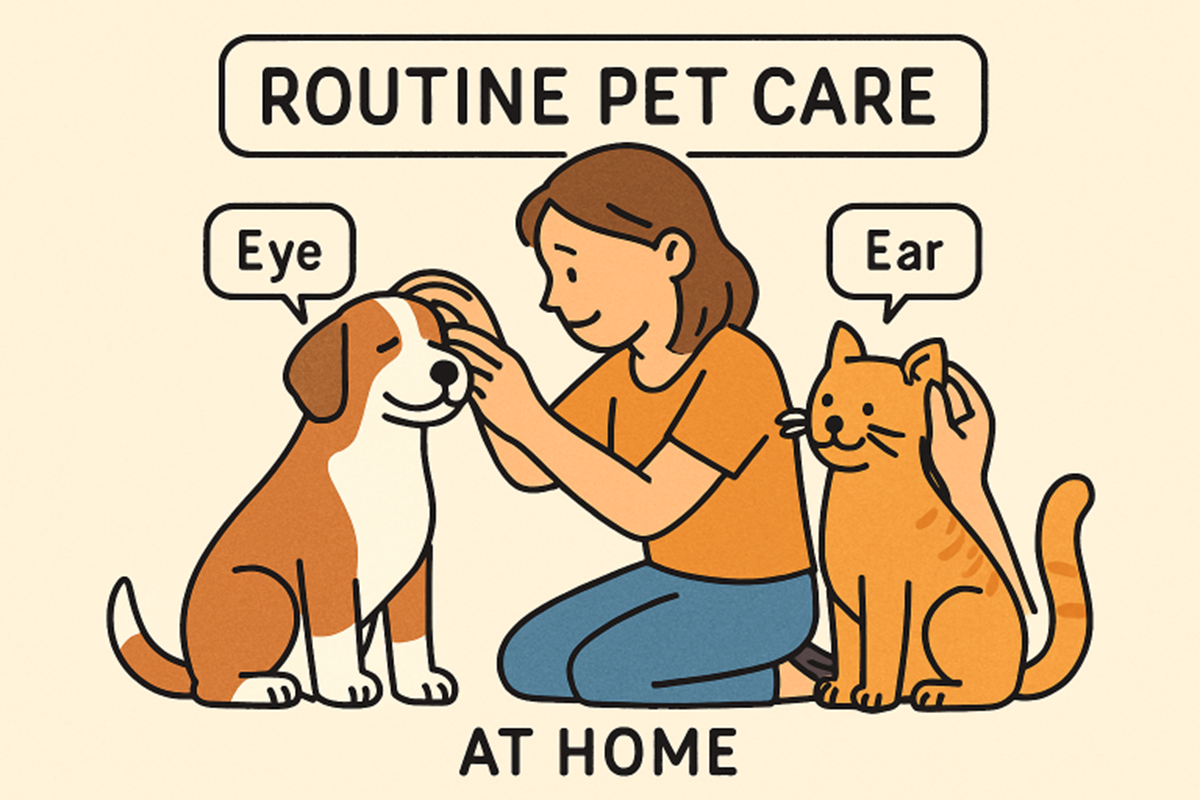
Keeping your pet’s eyes and ears healthy is one of the most important aspects of responsible pet care. Many eye and ear issues can cause discomfort or lead to serious complications if left unchecked, but the good news is that many common problems can be managed or even prevented with regular care at home. Monitoring for symptoms of infection, irritation, or injury, and responding promptly can help protect your companion’s well-being, while also avoiding costly long-term health problems. For instance, maintaining vigilance for a cat ear infection is crucial, as these issues can progress quickly if not treated early.


Incorporating habits like regular cleaning, appropriate grooming, and careful playtime supervision can make a significant difference. Basic preventive steps can reduce your pet’s risk of infections, allergies, or injuries associated with their eyes and ears, and foster a happier, healthier life for your furry companion. By learning what to watch for and acting early, you’re setting the stage for optimal pet health.
Regular Eye Care
Routine eye care is vital for preventing common conditions like infections, irritation, and injuries. Pets can accumulate debris or develop tear staining, especially around the eyes, which can make them more susceptible to bacterial growth. Gently wipe your pet’s eyes with a clean, damp cloth to remove any discharge every few days. Breeds with long hair or those prone to frequent tear stains benefit from pet-friendly eye wipes, specifically formulated to be gentle on sensitive skin and eyes.
It’s also important to stay alert to environmental risks. Avoid walking your dog or letting your cat roam in areas with dense grass, sharp shrubs, or thorny plants. Playtime should be supervised, and toys should be chosen with safety in mind—pick items unlikely to splinter or break into small pieces. These small routines significantly reduce the risk of accidental eye injuries. According to the American Kennel Club, early and consistent preventive steps can save you the trouble of treating severe eye issues later on.
Ear Health Maintenance
Ear health is just as critical and requires steady attention. Most veterinarians recommend a weekly check to look for signs of infection or irritation—such as redness, swelling, or unusual odor. If you see dark debris or wax, gently wipe the outer ear flap (pinna) with a solution approved by your vet and a cotton ball or gauze. Avoid using cotton swabs deep inside the ear canal; this can inadvertently push debris further in or harm the sensitive tissue.
Frequent cleaning may be necessary for dogs that swim often, breeds with floppy ears, or cats with allergies. Each of these situations can create warm, moist environments where bacteria and yeast thrive. Keeping ears dry, especially after bath time or swimming, is an often-overlooked but key part of ear care. For comprehensive tips and warning signs to watch for, the American Veterinary Medical Association offers excellent guidance.
Nutritional Support
Long-term eye and ear health relies on a balanced diet. Essential vitamins like A, C, E, and D, as well as B-complex vitamins, support eye development, while minerals such as zinc and selenium protect against oxidative stress. Omega-3 fatty acids, particularly DHA (found in fish oils), are vital for both brain and eye development in puppies and kittens.
Many specialized pet foods now include these nutrients, but supplements are available if your veterinarian recommends additional support. Always check ingredient labels and consult your vet before starting anything new.
Creating a Safe Environment
Your pet’s immediate surroundings play a big role in their sensory health. Keep sharp objects off the ground and out of reach, secure or cover electrical cords, and remove choking hazards. Regular grooming—including trimming fur away from the eyes and ears—can also alert you early to potential problems such as minor wounds, lumps, or signs of irritation. Providing safe, appropriate toys and checking your home environment for new hazards should be part of your regular routine—especially if you change furniture, move, or bring in new pets. Safety-proofing is not just for energetic puppies and kittens, but equally important for aging pets who may lose visual or auditory acuity as they grow older.
Recognizing Signs of Issues
Early recognition of problems is often the key to successful treatment. Common signals that something is wrong include frequent scratching, shaking the head, rubbing the face on furniture, redness, swelling, discharge, squinting, cloudiness in the eyes, or any changes in behavior. Pets with chronic conditions might also withdraw or seem more irritable than usual. Checking your pet’s eyes and ears during grooming or playtime ensures that you spot abnormalities before they escalate. If a symptom persists for more than a day or two, it’s best to consult your veterinarian instead of trying to treat infections or injuries at home. Proper monitoring reduces the risk of complications and improves your pet’s comfort.
When to Seek Professional Help
Persistent signs of discomfort, visible injuries, foul odor, or discharge from your pet’s eyes or ears all warrant professional attention. Veterinary care is essential if symptoms don’t resolve quickly or if your pet appears to be in pain. Annual or biannual check-ups are also vital—a veterinarian can catch subtle early signs of chronic issues that aren’t obvious to most pet owners. Never attempt to treat complex eye or ear problems on your own unless directed by your vet. Timely intervention not only resolves issues faster but also protects your companion from potential long-term damage and ensures a better quality of life.
Conclusion
Supporting your pet’s eye and ear health at home isn’t difficult, but it does require dedication and a little education. By maintaining consistent care routines, supplying proper nutrition, creating a hazard-free environment, and staying alert to signs of trouble, you’re setting your pet up for a lifetime of health and comfort. When in doubt, always reach out to a veterinary professional to guide you in the best practices for your companion’s needs.