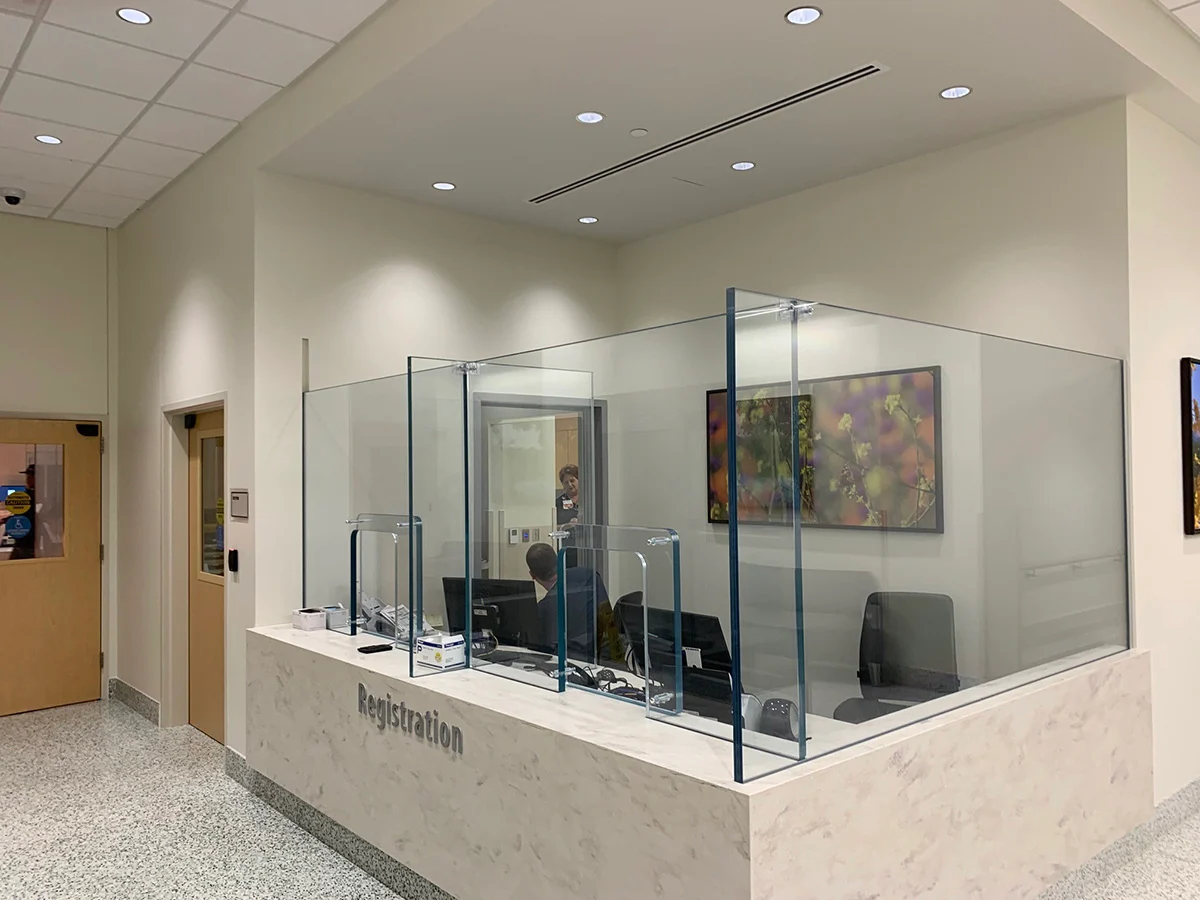
Healthcare facilities are designed to provide healing, care, and safety for patients, staff, and visitors. While most people think of hospitals as secure places, the reality is that they face potential threats ranging from armed intrusions to volatile situations involving patients or visitors. Protecting these environments has become increasingly crucial as security concerns have grown in recent years. Hospitals and medical centers must remain open and accessible while also ensuring strong defenses against potential risks. Ballistic barriers offer a practical solution, providing a layer of security that safeguards sensitive areas without disrupting the essential flow of medical services.


Protecting entry points and reception areas
One of the most vulnerable areas in a hospital is the main entrance, where staff members, patients, and visitors interact daily. Reception desks, security stations, and check-in counters are often the first line of defense in case of an emergency. Installing ballistic barriers in these areas helps shield workers and provides a controlled space where threats can be managed. These barriers can be seamlessly integrated into counters and walls, offering security without creating a harsh or intimidating atmosphere. By maintaining an open and welcoming environment while enhancing security, hospitals strike a balance between accessibility and safety. Many healthcare facilities rely on ballistic barrier products that are designed to blend into architectural features, ensuring that security does not interfere with the hospital’s mission of care and compassion. This approach allows facilities to remain inviting while still being prepared for emergencies.
Safeguarding emergency departments
Emergency departments are another area where ballistic barriers play an essential role. These departments often see high-stress situations, with patients and families arriving under duress, sometimes accompanied by law enforcement or involving violent incidents. The unpredictable nature of emergencies makes security a priority. Ballistic barriers are often placed at nurse stations, intake areas, and key hallways leading deeper into the facility. By creating safe zones for medical personnel, hospitals ensure that staff can continue their work even in the event of an aggressive situation. These protective measures also provide peace of mind for healthcare workers who must stay focused on life-saving care rather than worrying about their own safety. With barriers in place, emergency departments are better equipped to handle volatile scenarios while maintaining uninterrupted medical attention.
Protecting sensitive areas and staff offices
Beyond entrances and emergency rooms, hospitals also utilize ballistic barriers to protect sensitive areas, including pharmacies, records offices, and administrative spaces. Pharmacies, in particular, are high-risk zones because of the presence of controlled substances that may attract attempts at theft or forced access. By installing ballistic barriers around these areas, facilities reduce risks and protect critical supplies. Similarly, administrative offices containing patient records or financial data benefit from this extra layer of security. Staff members working in these areas need assurance that they can carry out their responsibilities without exposure to potential harm. Hospitals incorporate barriers into walls, windows, and doors to provide subtle but effective protection. This ensures that both medical and administrative functions continue without disruption while safeguarding employees and resources.
Maintaining patient safety and trust
Hospitals serve as sanctuaries where patients expect to receive care without fear of harm. By installing ballistic barriers, medical centers reinforce the sense of security that is vital for recovery and trust. Patients and families who notice security measures are more likely to feel confident in the facility’s commitment to safety. Importantly, barriers are designed to provide discreet protection, avoiding the creation of a prison-like atmosphere that could add stress to patients. Instead, they are integrated into architectural designs, ensuring that security remains present without being obtrusive. The reassurance provided by these measures supports the hospital’s overall mission of healing by creating an environment where safety and care are inextricably linked. Patients, staff, and visitors alike benefit from the stability and security provided by ballistic protection.
Supporting long-term operational resilience
Investing in ballistic barriers is not just about immediate protection; it is also about long-term operational resilience. Hospitals are critical infrastructure, and any disruption to their services can have far-reaching consequences for the communities they serve. By equipping facilities with ballistic protection, administrators ensure that medical centers remain functional even in the face of external threats. This resilience is critical during emergencies when hospitals must remain open to provide care. Ballistic barriers help prevent shutdowns or evacuations caused by security breaches, allowing uninterrupted medical service delivery. Over time, the presence of these barriers becomes part of the hospital’s comprehensive safety plan, ensuring preparedness for a range of scenarios. This forward-thinking approach demonstrates the importance of security in maintaining the reliability and trustworthiness of healthcare systems.
Hospitals and medical centers must strike a balance between openness and safety, ensuring that they remain welcoming spaces while also being prepared for potential threats. Ballistic barriers provide an effective solution by protecting entrances, emergency departments, pharmacies, offices, and other sensitive areas without compromising accessibility. They safeguard staff, reassure patients, and preserve essential operations during crises. By investing in these protective measures, healthcare facilities reinforce their role as safe havens where healing can occur without fear of harm. In a world where security risks are unpredictable, ballistic barriers serve as a vital safeguard, ensuring hospitals continue to function as trusted centers of care and protection.