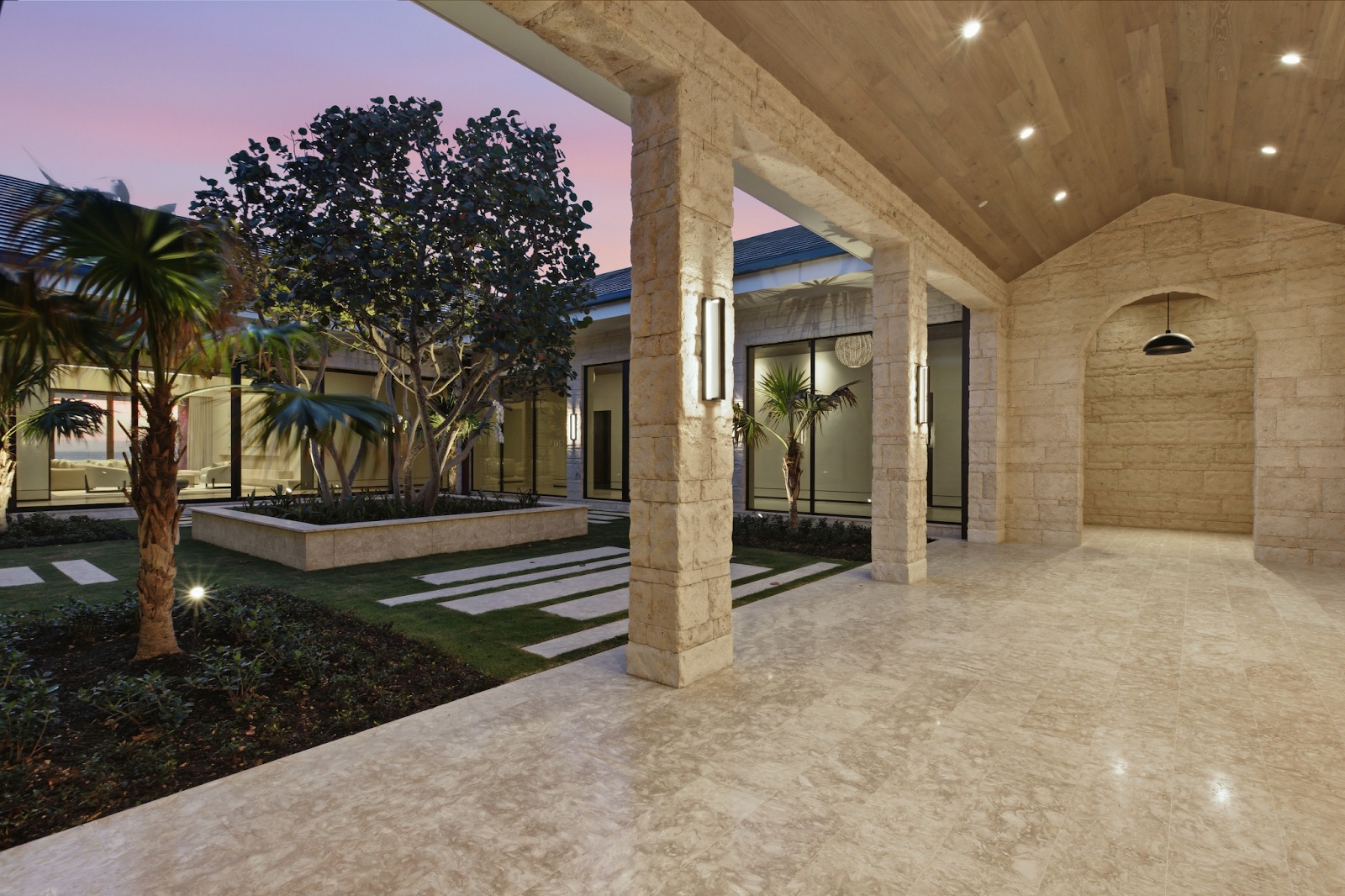
Interior listing photos fail more often than exterior ones, and the reason is consistent: uncontrolled light imbalance. Bright windows, shadow-heavy rooms, and mixed color temperatures push cameras beyond their usable range. When editing doesn’t account for that imbalance correctly, interiors either look artificial or misleading.

A real estate AI photo editor is judged almost entirely on how it handles this scenario. Interior light correction is not about brightness. It is about control, separation, and order of corrections. This article examines how extreme interior lighting is resolved in practice, and why many automated systems struggle with it.
Why Interior Lighting Breaks Automated Editing
Interior environments combine multiple exposure problems into a single frame. Unlike exterior photos, there is no dominant light source.
Typical interior conditions include:
- Strong daylight entering through windows
- Low ambient light in ceilings and corners
- Competing warm and cool light sources
A real estate AI photo editor must resolve these conflicts without flattening the image or distorting color. When corrections are applied globally, the result often looks processed instead of natural.
Window Control Is the First Decision Point
Bright windows are not a brightness problem, they are a contrast problem.
In poorly edited interiors, one of two things usually happens:
- The room is lifted until windows lose detail
- Windows are darkened until interiors feel artificial
Neither outcome is acceptable. A real estate AI photo editor must isolate windows from the rest of the scene. This is done through controlled window masking, not exposure increases across the entire image.
Effective window control achieves three things:
- Exterior detail remains visible
- Window edges stay clean and natural
- Interior light feels connected to the outside environment
This correction has no relationship to file sorting or workflow handling. Sorting is organizational. Window control is image correction.
Interior Brightness Must Preserve Depth
Once window contrast is controlled, interior brightness can be adjusted safely. This is where many edits fail.
Over-brightening interiors removes:
- Shadow depth
- Surface texture
- Material realism
A capable real estate AI photo editor lifts darker areas selectively, allowing midtones to breathe while keeping highlights and shadows intact. The goal is not equal brightness, but believable depth.
When interiors look flat, it is almost always because brightness was raised without separation.
Color Conflicts Reveal Weak Editing Instantly
Mixed lighting creates the most visible trust issue in interior photos.
Daylight, artificial lighting, and reflected color interact differently across surfaces. When white balance is applied globally, color inconsistencies appear:
- Walls shift tone across the same room
- Floors lose material accuracy
- Adjacent images no longer match
A reliable real estate AI photo editor treats white balance as a structural correction. Color casts are neutralized selectively, while natural warmth is preserved. This keeps interiors consistent without making them sterile.
Reflection Cleanup Comes After Light and Color
Reflections expose mistakes more clearly once exposure and color are corrected.
Mirrors and glass surfaces often reveal:
- Cameras or tripods
- Partial removals
- Broken reflection geometry
Removing these elements before light correction often causes patching artifacts. That is why camera removal belongs after exposure and color are stabilized.
Clean reflection handling preserves:
- Symmetry
- Depth cues
- Natural surface behavior
When done correctly, the edit disappears completely.
Structural Alignment Finishes the Image
Even with correct light and color, slight camera tilt can undermine interior photos.
Leaning walls and cabinets subtly affect how space is perceived. A real estate AI photo editor completes interior correction by straightening vertical lines without stretching or cropping key elements.
This final adjustment restores structural credibility and prevents interiors from feeling unstable or distorted.
Core Corrections vs Optional Enhancements
Interior quality depends on foundational corrections, not visual effects.
Core image corrections include:
- Window masking
- Selective brightness control
- White balance correction
- Camera removal
- Vertical straightening
Enhancements can improve presentation, but they do not solve light imbalance. That is why bulk furniture removal and heavy staging are not treated as core requirements.
Why Consistency Matters More Than a Perfect Image
Interior photos are never evaluated alone. They are judged as a set.
A functional real estate AI photo editor produces:
- Consistent brightness across rooms
- Stable color rendering
- Predictable structure from image to image
This consistency is what enables scalable pricing models. While pricing is often summarized as “40 cents per image,” the accurate framing is that pricing can go as low as 40 cents, depending on volume and requirements.
Systems such as AutoHDR apply this correction-first approach by standardizing interior handling before offering optional enhancements.
Final Thoughts
Extreme interior lighting is not solved with one-click processing. It requires separation of corrections, controlled adjustments, and strict order of operations.
When a real estate AI photo editor handles windows, brightness, color, reflections, and structure independently, interiors stop looking edited and start looking reliable. That reliability, not visual drama, is what makes an interior photo listing-ready.