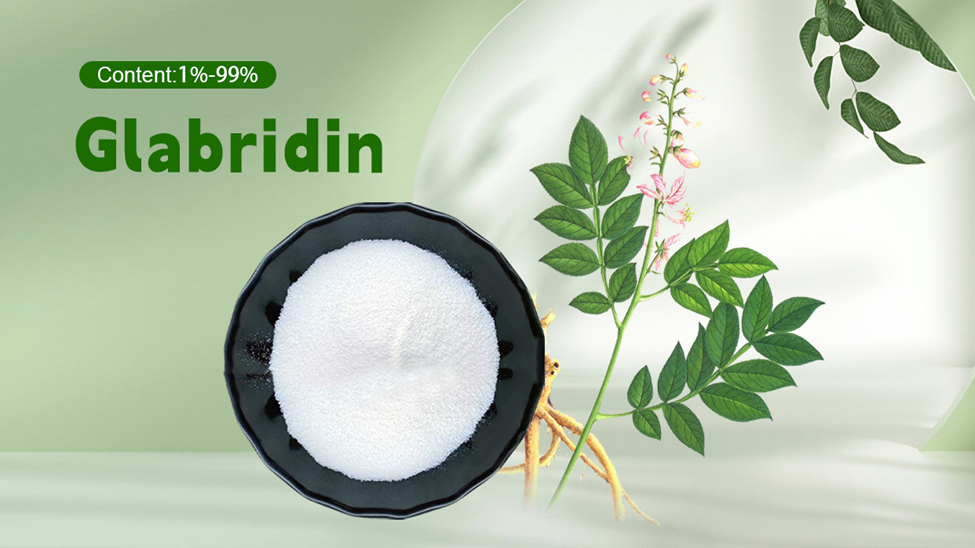
In the realm of botanical actives, the Glycyrrhiza plant species, commonly known as licorice, serves as a cornerstone for high-performance cosmetic formulations. Among the various phytoconstituents extracted from this genus, Glabridin and Licochalcone A stand out as two of the most potent and commercially significant molecules. While both are derived from the root systems of licorice plants, they are typically found in different species—Glabridin primarily in Glycyrrhiza glabra and Licochalcone A in Glycyrrhiza inflata. These compounds offer a multifaceted approach to skin health, addressing hyperpigmentation, oxidative stress, and inflammatory responses through distinct biochemical pathways.

Chemical Composition and Extraction
Glabridin is a polyphenolic flavonoid, specifically an isoflavane, characterized by its lipophilic nature. It is renowned for its scarcity in the raw plant material, often requiring sophisticated purification techniques to achieve the high concentrations used in luxury skincare. Because of its difficult extraction and high efficacy, it is frequently referred to as whitening gold.
Licochalcone A is a retrochalcone, a specific type of phenolic compound. Unlike many other licorice derivatives, Licochalcone A possesses a unique molecular structure that grants it exceptional stability and a broad range of biological activities. It is also lipophilic, allowing for deep penetration into the stratum corneum when delivered in appropriate oil-in-water or water-in-oil emulsions.
Mechanism of Action: Glabridin and Skin Brightening
The primary reputation of Glabridin in the cosmetic industry is built upon its extraordinary ability to inhibit melanogenesis. It acts as a powerful inhibitor of tyrosinase, the essential enzyme that catalyzes the production of melanin in the skin. Research indicates that Glabridin is significantly more effective than many synthetic brightening agents at much lower concentrations.
Beyond enzyme inhibition, Glabridin provides a secondary benefit by inhibiting the superoxide anion, thereby reducing the oxidative stress that can trigger melanin synthesis. This dual action—preventing new pigment formation while protecting the skin from environmental triggers—makes it an ideal ingredient for correcting uneven skin tone, age spots, and post-inflammatory hyperpigmentation.
Mechanism of Action: Licochalcone A and Skin Defense
Licochalcone A is primarily celebrated for its soothing and anti-inflammatory properties. Its mechanism involves the inhibition of various pro-inflammatory mediators, such as prostaglandin E2 and interleukin-6. By dampening the inflammatory cascade, Licochalcone A effectively reduces skin redness, calms irritation, and is particularly beneficial for conditions like rosacea or acne-prone skin.
In addition to its anti-inflammatory prowess, Licochalcone A is a robust antioxidant. It helps to neutralize free radicals generated by UV radiation and high-energy visible light. Furthermore, studies have shown that it can stimulate the skin’s own antioxidant defense systems, such as the Nrf2 pathway, providing a long-term biological shield against premature aging and photo-damage.
Synergistic Applications in Skincare Products
When Glabridin and Licochalcone A are combined within a single formulation, they create a comprehensive treatment profile that addresses both the causes and the symptoms of skin distress. Since inflammation is a known precursor to pigmentation (a process known as PIH), the soothing effect of Licochalcone A creates a stable environment for Glabridin to maximize its brightening potential.
These ingredients are commonly found in high-end serums, night creams, and targeted spot treatments. Because they are oil-soluble, formulators must ensure they are properly solubilized in the lipid phase of the product to maintain stability and ensure bioavailability. They are compatible with other popular actives like Niacinamide and Vitamin C, though careful pH management is required to preserve the integrity of the flavonoid structures.
Safety, Sustainability, and Regulatory Status
Both Glabridin and Licochalcone A are well-tolerated by most skin types, including sensitive skin. They are non-toxic and do not carry the safety concerns associated with harsher chemical lighteners. From a regulatory perspective, they are accepted globally for use in cosmetics. As consumer demand for natural and sustainable ingredients grows, the sourcing of these licorice derivatives has moved toward more sustainable cultivation practices to protect the wild populations of Glycyrrhiza species.
Conclusion
The integration of Glabridin and Licochalcone A into modern skincare represents a perfect blend of traditional ethnobotany and advanced molecular biology. Glabridin offers the gold standard for natural brightening, while Licochalcone A provides essential defense against inflammation and oxidative stress. Together, they offer a holistic solution for consumers seeking radiant, calm, and resilient skin.