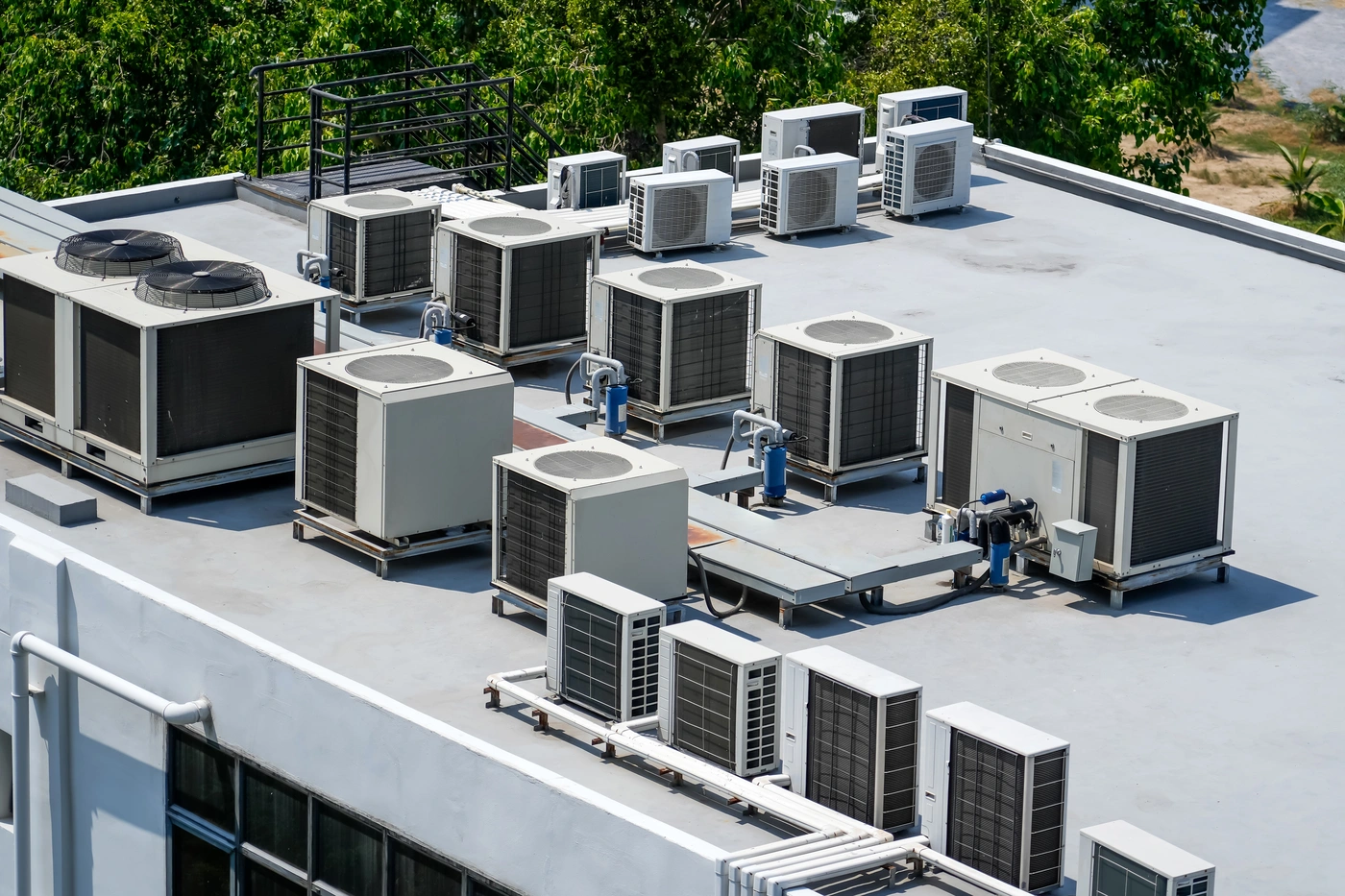
The HVAC industry is undergoing a transformative phase as environmental regulations, technological innovations, and energy efficiency goals shape its future. Traditional systems that once dominated the market are being replaced by more sustainable solutions designed to meet global refrigerant transition standards. In this evolving landscape, future-proofing HVAC infrastructure has become more than a choice—it is a necessity.

As the industry pivots toward new refrigerants and enhanced efficiency standards, selecting the right line sets becomes a critical strategic decision. Companies play an important role by developing line sets that withstand changing environmental conditions and support the integration of advanced HVAC technologies. Future-proofing today’s systems means ensuring they are ready for tomorrow’s demands without compromising on safety, reliability, or performance.
The Shift Toward Next-Generation Refrigerants
The transition to low-GWP (Global Warming Potential) refrigerants such as R-32 and R-454B, as well as other sustainable alternatives, is redefining how HVAC systems are designed and installed. These refrigerants, while environmentally safer, often require different pressure tolerances, material compatibility, and sealing integrity than older refrigerants like R-410A. Systems designed for legacy refrigerants may not safely or efficiently support these new compounds without modifications. This is where high-quality line sets become essential.
AC line sets are designed to handle higher pressures and varying refrigerant compositions, providing a long-term solution that eliminates the need for frequent replacements or system overhauls. By investing in robust copper and aluminum line sets with superior insulation and durability, HVAC professionals can ensure that their infrastructure aligns with future refrigerant standards. The goal is to create systems that seamlessly transition with evolving technologies, reducing downtime and installation costs while maintaining energy performance. In an industry where regulations evolve rapidly, adaptability ensures sustained functionality and environmental responsibility.
Engineering Durability and Performance for Tomorrow’s Systems
The design and material integrity of HVAC components define how well a system can endure technological and regulatory shifts. Line sets serve as the circulatory system of any HVAC installation, carrying refrigerant between the indoor and outdoor units. When crafted with precision and tested for long-term resilience, they significantly impact efficiency, reliability, and longevity. AD Engineering manufactures line sets with a focus on material consistency, corrosion resistance, and precise construction standards to ensure they function effectively across various system types and refrigerants. Their design accommodates the higher pressures of modern refrigerants, offering enhanced sealing properties that minimize the risk of leaks—one of the most common issues in aging HVAC systems.
Furthermore, proper insulation in these line sets reduces energy loss and prevents condensation, which can affect system performance over time. Investing in such future-ready materials means technicians and property owners can maintain system compatibility and efficiency even as refrigerant technologies continue to evolve. This approach not only supports current operational needs but also positions infrastructure for long-term adaptability.
Integrating Line Sets into Smart HVAC Technologies
As HVAC systems advance into the digital era, smart controls, variable-speed compressors, and energy monitoring tools are becoming integral to modern infrastructure. These innovations require components that can keep pace with rapid changes in system pressure, temperature modulation, and performance optimization. High-quality line sets act as a bridge, ensuring refrigerant flow remains consistent and enabling intelligent systems to perform precise temperature regulation and load balancing.
Line sets are engineered to complement these emerging smart technologies by maintaining efficiency under variable conditions. Their construction supports dynamic load changes without compromising refrigerant flow or energy stability, allowing for smoother system communication and more accurate performance tracking. As buildings shift toward automation and energy management systems, the synergy between durable mechanical components and intelligent digital systems will define the next era of HVAC evolution. Properly designed line sets ensure that, as technology advances, the mechanical backbone of these systems remains equally progressive and dependable.
Sustainability and Long-Term Value in Infrastructure Planning
Sustainability is no longer an optional goal—it is a defining factor in system design and product development. The HVAC industry’s contribution to global energy consumption and greenhouse gas emissions means manufacturers must innovate responsibly. By using recyclable materials, durable insulation, and efficient production methods, line sets can significantly reduce waste and energy consumption throughout their lifespans. They integrate sustainability into both material selection and manufacturing practices, ensuring their products align with environmental standards and long-term efficiency goals.
Beyond their ecological benefits, durable line sets also provide economic value by reducing maintenance costs, installation time, and refrigerant loss—key factors for contractors and building owners. Future-proofing infrastructure means thinking beyond immediate functionality; it involves investing in materials that perform consistently, resist degradation, and adapt to future technologies. This balance between environmental stewardship and economic practicality ensures that HVAC systems remain efficient, compliant, and sustainable for decades to come.
Preparing HVAC systems for the future requires foresight, innovation, and a commitment to durable design. As the industry moves toward low-GWP refrigerants and intelligent technologies, every component plays a crucial role in ensuring reliability and adaptability. Line sets form the foundation of this evolution by maintaining consistent refrigerant flow, supporting new pressures, and integrating seamlessly with future technologies.
AD Engineering’s approach to manufacturing durable, efficient, and compatible line sets represents a forward-thinking solution to industry-wide challenges. By investing in products built for future readiness, HVAC professionals, contractors, and building owners can safeguard their systems against obsolescence while promoting sustainability and performance. In a world where change is constant, future-proofing HVAC infrastructure isn’t just preparation—it’s progress toward a more efficient, adaptable, and environmentally responsible tomorrow.