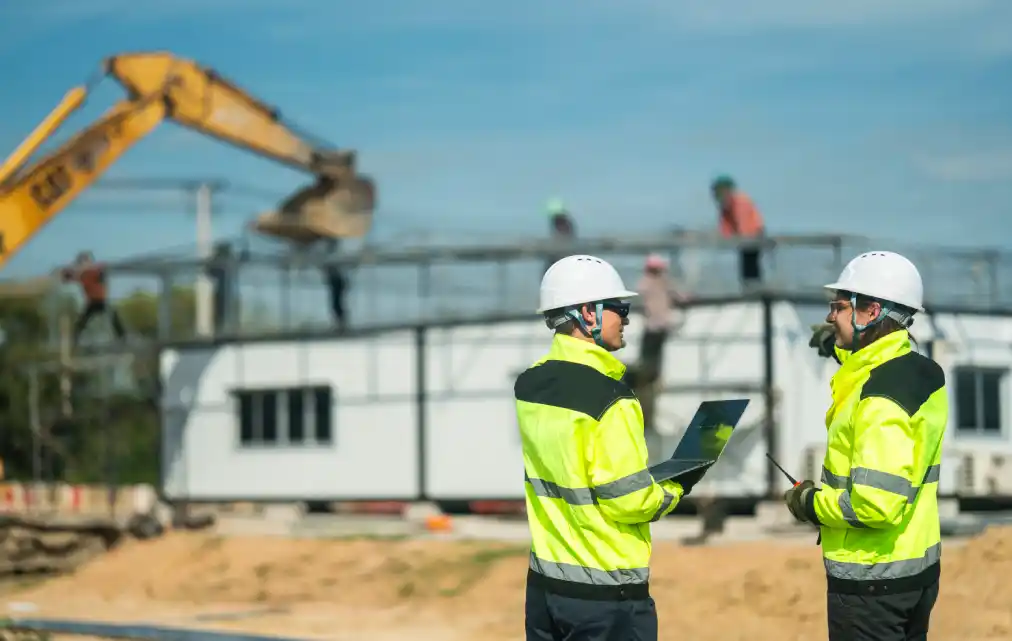
Behind every beautifully built home, renovated office space, or large-scale commercial development is a crucial figure working tirelessly behind the scenes: the general contractor. While architects and designers get praise for creative vision and skilled tradespeople receive recognition for craftsmanship, it’s the general contractor who orchestrates the entire operation—from blueprint to final inspection.


Whether you’re tackling a full-scale renovation, constructing a new building, or remodeling a small space, success doesn’t just come from good materials or a solid plan—it comes from execution. That’s where a qualified general contractor becomes indispensable.
In this article, we’ll explore what a general contractor does, how they bring structure and efficiency to projects, and why hiring the right one can mean the difference between a dream outcome and a logistical nightmare.
What Is a General Contractor?
At the most basic level, a general contractor is the person or company responsible for overseeing a construction project from start to finish. They serve as the central point of contact for clients, subcontractors, vendors, and inspectors. Think of them as the project manager, coordinator, and quality control specialist all rolled into one.
Their responsibilities typically include:
- Planning and scheduling the workflow
- Hiring and managing subcontractors (plumbers, electricians, framers, painters, etc.)
- Procuring materials and equipment
- Obtaining permits and ensuring compliance with building codes
- Monitoring the budget and timeline
- Communicating with stakeholders
- Handling unforeseen issues that arise during the process
In short, they are the glue that holds everything together, ensuring the work is completed safely, correctly, and on time.
Why You Need a General Contractor for Your Project
Even the most straightforward renovation can involve dozens of moving parts: inspections, material orders, trade scheduling, weather delays, and more. Trying to manage all of this on your own can lead to costly mistakes and delays.
Here are a few key reasons why hiring a general contractor is often the smartest move you can make.
1. Project Management Expertise
Coordinating a construction project requires a skill set that goes far beyond basic organization. A general contractor brings years of hands-on experience and problem-solving skills to manage not only people but also time, money, and risk.
They know what order tasks need to be done, how to keep trades from overlapping inefficiently, and how to adjust schedules when delays arise. This experience prevents small problems from snowballing into major setbacks.
2. Strong Industry Connections
A good general contractor has built strong relationships with reliable subcontractors, suppliers, and inspectors. This network allows them to:
- Get better pricing on materials and labor
- Ensure consistent quality of work
- Schedule tasks more efficiently
- Resolve issues more quickly
Trying to find and vet each trade on your own can be overwhelming. With a trusted contractor, you benefit from a pre-vetted team of professionals who are used to working together.
3. Licensing and Code Compliance
Construction and renovation projects are bound by strict regulations, permits, and safety standards. A general contractor understands local building codes and ensures that the project is fully compliant. They also manage permits, inspections, and paperwork that would otherwise be time-consuming and confusing.
Failing to follow building codes can result in fines, forced deconstruction, or even legal issues. Having someone who knows how to navigate this landscape protects your investment and your peace of mind.
Phases of a Project Managed by a General Contractor
To better understand the value a general contractor brings, let’s break down the major phases of a typical project and their role in each:
Pre-Construction
- Reviewing architectural plans
- Preparing cost estimates
- Setting timelines and budgets
- Obtaining necessary permits
- Hiring subcontractors and coordinating schedules
Construction Phase
- Overseeing daily operations
- Managing subcontractors and ensuring timely progress
- Ensuring adherence to safety protocols
- Approving or rejecting work quality
- Ordering and inspecting materials
Post-Construction
- Conducting a final walkthrough
- Completing punch list items
- Managing cleanup and waste removal
- Scheduling final inspections
- Handing over keys and documentation to the client
At every stage, the general contractor serves as the bridge between vision and reality, ensuring every detail aligns with the agreed-upon scope and expectations.
What to Look for When Hiring a General Contractor
Not all contractors are created equal. Selecting the right person or company is one of the most important decisions you’ll make in your project.
Here are a few key qualities to look for:
Proven Track Record
Ask to see examples of past projects similar to yours. A seasoned contractor will have a portfolio, client testimonials, and references you can contact.
Transparent Communication
You want someone who listens, explains things clearly, and is responsive. Poor communication is one of the biggest causes of construction disputes.
Licensed and Insured
Make sure the contractor is fully licensed and carries liability and workers’ compensation insurance. This protects you legally and financially if something goes wrong on site.
Detailed Proposal
A reliable general contractor will provide a detailed proposal outlining the scope of work, estimated timeline, payment schedule, and terms. Be wary of vague estimates or unclear contracts.
Collaborative Attitude
The best results happen when the contractor works with you—not just for you. They should welcome your input while offering professional guidance based on experience.
Benefits of a Well-Executed Project
When you hire a competent and experienced general contractor, you’re not just buying a service—you’re investing in peace of mind and long-term value. Here are just a few benefits of working with the right professional:
- Fewer delays and surprises thanks to proactive planning
- Higher quality work from vetted subcontractors
- Reduced costs due to efficiency and bulk material purchasing
- Less stress from managing dozens of moving parts
- A finished project that meets or exceeds expectations
By trusting a capable general contractor, you’re more likely to enjoy a smooth process and a successful result.
Misconceptions About Hiring a General Contractor
Some property owners think they can save money by serving as their own general contractor or coordinating trades directly. While this might work for very small projects, it’s rarely a wise decision for anything beyond cosmetic updates.
Let’s address a few common myths:
“I can save money by managing the project myself.”
While you might save on the contractor’s fee, you’ll likely spend more in time delays, rework, and costly mistakes due to inexperience. Professionals help avoid these pitfalls.
“Contractors just mark up other people’s work.”
A good general contractor doesn’t just “pass through” costs—they add value by coordinating all the pieces efficiently and ensuring a quality result. Their mark-up includes time, responsibility, and accountability.
“I don’t need one for a renovation.”
Even smaller renovations involve plumbing, electrical, flooring, painting, and permits. Managing all of that takes time, and if done incorrectly, can create future problems. A contractor streamlines the process and ensures long-term durability.
Final Thoughts
A successful construction or renovation project is more than just good materials and skilled labor—it’s about coordination, compliance, and quality control. That’s why choosing the right general contractor in Moore County NC is one of the most important decisions you’ll make as a property owner or developer.
From managing the complexities of a large-scale commercial build to coordinating a simple home renovation, the role of the general contractor is to bring your vision to life—on time, on budget, and with the quality you expect.
When you invest in a trusted general contractor, you’re investing in the structure, functionality, and future of your property. And when it’s done right, the results speak for themselves—not just in what you see, but in what you don’t have to worry about.