Construction sites are buzzing with machines. Without them, commercial construction would be slow, costly and downright impossible. These powerful vehicles help dig, lift, transport and shape materials into towering skyscrapers, sturdy bridges and massive industrial buildings. Each machine has a job, making construction faster and safer.


Although machinery does most of the heavy work, some manual handling in construction is still necessary. Workers must be trained in proper techniques to avoid strain or injury while working alongside these powerful machines.
Now, let’s dive into the top 10 construction vehicles that keep commercial projects running.
1. Excavators
Excavators are the workhorses of construction sites. These heavy-duty machines come with a long arm and a bucket, perfect for digging deep trenches, demolishing structures and handling heavy materials.
Most excavators rotate 360 degrees, allowing operators to move soil, debris or rocks with ease. Whether it’s building foundations or clearing land, they are indispensable in commercial construction.
Common Uses:
- Digging trenches and foundations
- Demolishing old buildings
- Lifting and placing heavy materials
2. Backhoe Loaders
Backhoe loaders are two-in-one machines. They have a digging arm at the back and a loading bucket at the front. This dual function makes them a favourite on construction sites.
These machines are smaller than excavators but still powerful. They can dig, lift and transport materials across short distances. Their compact size makes them great for urban projects where space is limited.
Common Uses:
- Digging small trenches
- Moving soil, sand and gravel
- Breaking up asphalt and concrete
3. Bulldozers
Bulldozers are built for power and endurance. They have a wide, flat blade in front, used to push soil, debris or rubble across the site. Some even have rippers at the back to break up tough ground.
These machines thrive on rough terrain. Whether clearing land or shaping the ground, they are essential for large commercial projects.
Common Uses:
- Pushing large quantities of dirt
- Clearing construction sites
- Leveling uneven ground
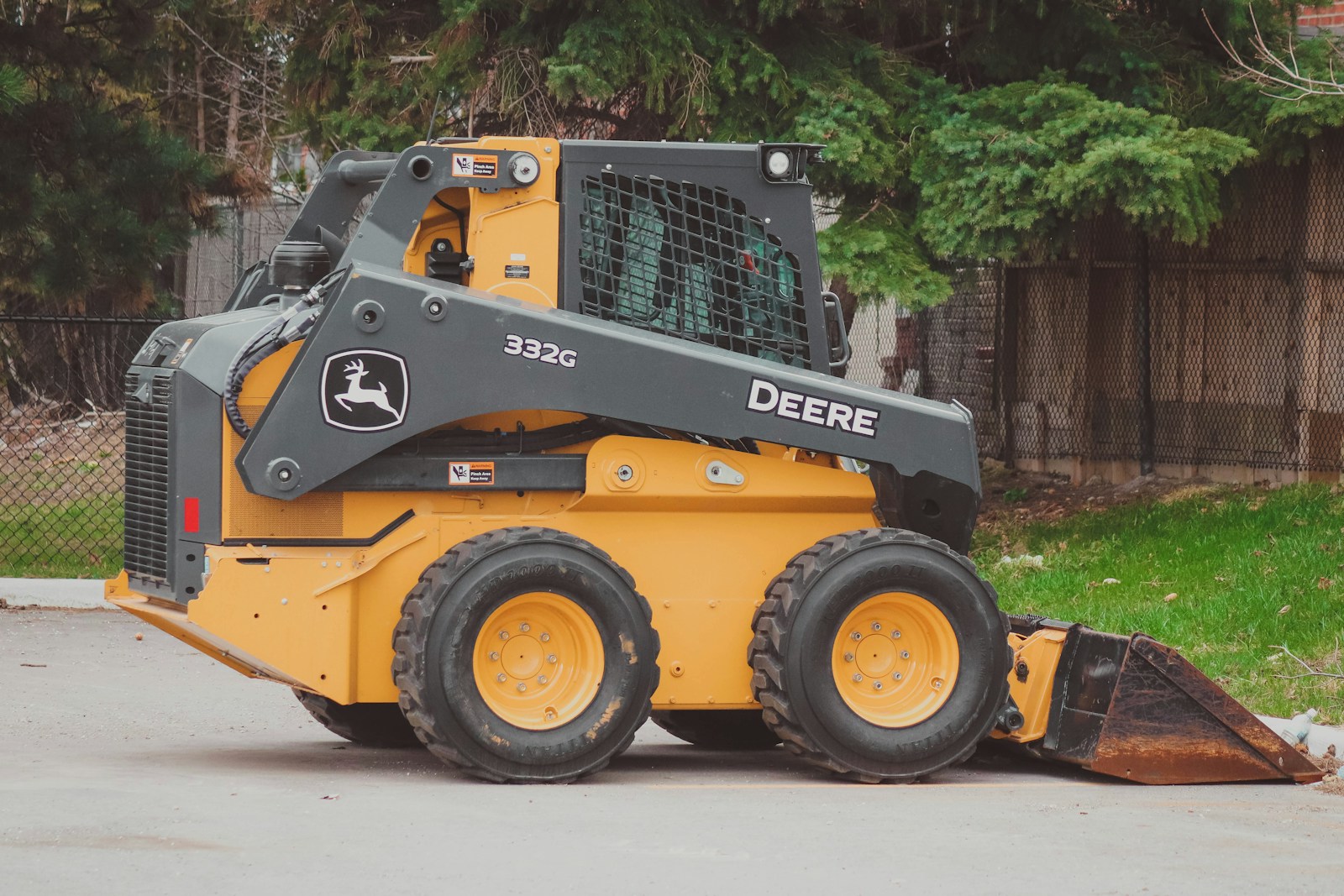
4. Skid-Steer Loaders
Skid-steer loaders are compact, agile and versatile. Their small size and tight turning radius make them perfect for confined spaces. Operators can swap out attachments, turning them into mini excavators, drills or trenchers.
They’re commonly used in urban construction, where large machines wouldn’t fit. Their ability to move quickly also makes them ideal for finishing touches on a site.
Common Uses:
- Clearing debris
- Excavating small areas
- Snow removal in winter
5. Motor Graders
Motor graders are precision machines. They have a long blade between their front and rear wheels, used to level surfaces with extreme accuracy.
These machines are often used for roadwork, ensuring surfaces are smooth and even before paving begins. They can also be used for creating drainage ditches.
Common Uses:
- Smoothing and grading roads
- Creating slopes for drainage
- Spreading gravel and soil evenly
6. Trenchers
Trenchers are designed for one specific task—digging trenches. These machines cut through the ground quickly, making them ideal for laying pipes, cables or drainage systems.
They come in different types, from walk-behind models for smaller jobs to huge, tracked trenchers for large-scale commercial work.
Common Uses:
- Digging trenches for utility lines
- Cutting through hard ground
- Installing drainage systems
7. Tower Cranes
When it comes to skyscrapers and tall structures, tower cranes are essential. These towering machines lift steel beams, concrete slabs and heavy machinery to great heights.
Once assembled, they remain fixed on-site, providing unmatched lifting power. Their ability to move materials vertically and horizontally makes them a must-have for high-rise projects.
Common Uses:
- Lifting heavy building materials
- Assisting in high-rise construction
- Placing steel frameworks
8. Dump Trucks
Dump trucks handle the dirty work—hauling large amounts of sand, gravel or debris away from construction sites. Their hydraulic systems allow them to tilt their beds, quickly unloading materials where needed.
Different types exist, from articulated dump trucks for rough terrain to standard rigid-frame models for smoother sites.
Common Uses:
- Transporting construction waste
- Moving large quantities of soil
- Delivering materials like sand or gravel
9. Compactors
Compactors ensure the ground is stable and firm before construction begins. They use heavy rollers or vibrating plates to compress soil, gravel or asphalt.
Without proper compaction, roads and buildings could sink or crack over time. There are different types, including smooth rollers for asphalt and sheepsfoot rollers for soil compaction.
Common Uses:
- Compacting soil before construction
- Preparing surfaces for paving
- Reducing air pockets in the ground
10. Concrete Mixers
Concrete is the backbone of most commercial projects and concrete mixers ensure a steady supply. These trucks mix cement, sand, gravel and water while on the move, preventing the mixture from drying out.
The rotating drum keeps the concrete fresh, allowing workers to pour it exactly where it’s needed. Without them, construction would be far more difficult and time-consuming.
Common Uses:
- Mixing and transporting concrete
- Pouring foundations and slabs
- Reducing manual labour on-site
Closing Remarks
With so many massive machines in motion, construction sites can be dangerous. A traffic marshal plays a vital role in keeping things safe. Those interested in this role can take a traffic marshal course to gain the necessary knowledge and certification.
Construction vehicles are the backbone of commercial projects. From digging foundations to lifting materials, each machine plays a crucial role in shaping skylines and infrastructure.
So, the next time you see a bustling construction site, take a moment to appreciate the incredible machinery—and the people keeping them in check!