Overcoming addiction is a complex and deeply personal journey. Each individual’s path to recovery is unique, and for many, lasting change comes through a blend of targeted therapeutic approaches. By understanding the methods available, those beginning their recovery can feel empowered and better supported. For those seeking professional guidance, finding a reputable Rehab in Boston can be a valuable first step toward sustained sobriety and wellness.


The effectiveness of addiction therapy depends not just on scientific evidence but also on personal goals, lifestyle, and co-occurring mental health conditions. As more is learned about addiction’s impact on the brain and behavior, treatment models have evolved, combining conventional therapies with holistic and group-based interventions. Professional help is crucial in determining what will work best for each individual, supporting both psychological and behavioral change.
The recovery process often requires more than just addressing substance use itself. Many individuals also face underlying trauma, co-occurring mental health disorders, or long-standing behavioral patterns that fuel addiction. Combining therapies can provide a comprehensive approach, fostering resilience, self-awareness, and emotional regulation. For additional information on addiction treatment modalities, consider resources by the National Institute of Mental Health.
Cognitive Behavioral Therapy (CBT)
Cognitive Behavioral Therapy helps individuals identify and challenge negative patterns of thinking that contribute to addictive behaviors. This evidence-based approach enables people to replace unhealthy thought habits with healthier ones, equipping them with practical coping strategies to manage triggers and prevent relapse. Studies consistently show CBT’s effectiveness, especially for individuals motivated to address their substance use disorders. According to research published by the American Psychological Association, CBT significantly reduces drug use and provides benefits that can extend long after treatment ends.
Dialectical Behavior Therapy (DBT)
DBT was initially developed to treat borderline personality disorder, but has become an important tool in addiction recovery, especially for those managing strong emotional swings or trauma. DBT emphasizes skills such as emotional regulation, mindfulness, and distress tolerance. By learning these techniques, individuals become better prepared to navigate stressful situations and reduce impulsive behavior that can lead to substance use. Research has found DBT particularly helpful for clients with complex, co-occurring mental health conditions and addiction.
Motivational Interviewing (MI)
Motivational Interviewing is a collaborative approach designed to strengthen commitment and boost motivation for change. Therapists using MI work with clients to help them resolve ambivalence by exploring their own reasons for seeking recovery. It is highly effective at increasing treatment engagement and long-term adherence. MI supports clients in setting achievable goals and encourages autonomy, which can make all the difference during early recovery.
Contingency Management (CM)
CM is built around providing positive reinforcement, such as rewards or incentives, when individuals make healthy choices like abstaining from drug use. The principle is simple yet powerful. Rewarding desired actions leads to those actions being repeated. Clinical studies have shown that, when paired with other therapies, CM can double the chances of maintaining sobriety. This approach is especially effective in promoting behavioral changes during the early stages of addiction recovery.
Mindfulness-Based Relapse Prevention (MBRP)
MBRP combines techniques from cognitive therapy with meditation and mindfulness practices. Participants learn to observe their cravings and thoughts without judgment, helping them recognize early warning signs of relapse. Mindfulness skills foster an increased awareness of present-moment experiences, which can reduce impulsivity. According to the JAMA Psychiatry journal, MBRP has been associated with significant reductions in relapse rates and improvements in emotional well-being.
Eye Movement Desensitization and Reprocessing (EMDR)
EMDR is a therapy originally designed to alleviate the distress of traumatic memories, which can fuel substance use disorders. Through the use of guided bilateral stimulation techniques, including eye movements, individuals gradually process and desensitize traumatic memories. Research has shown that as few as three 90-minute EMDR sessions can lead to significant improvements in trauma-related symptoms, making it a valuable option for people whose substance use is linked to unresolved trauma.
Holistic Therapies
Holistic treatments approach recovery from all angles, including body, mind, and spirit. Practices like yoga, meditation, art therapy, and acupuncture can promote overall well-being, reduce stress, and improve mood. Many people find that engaging in holistic therapies complements traditional counseling, offering additional tools for managing anxiety, depression, and craving-related challenges during recovery. These approaches encourage mindfulness and self-care, which are vital for sustained sobriety.
Group Therapy
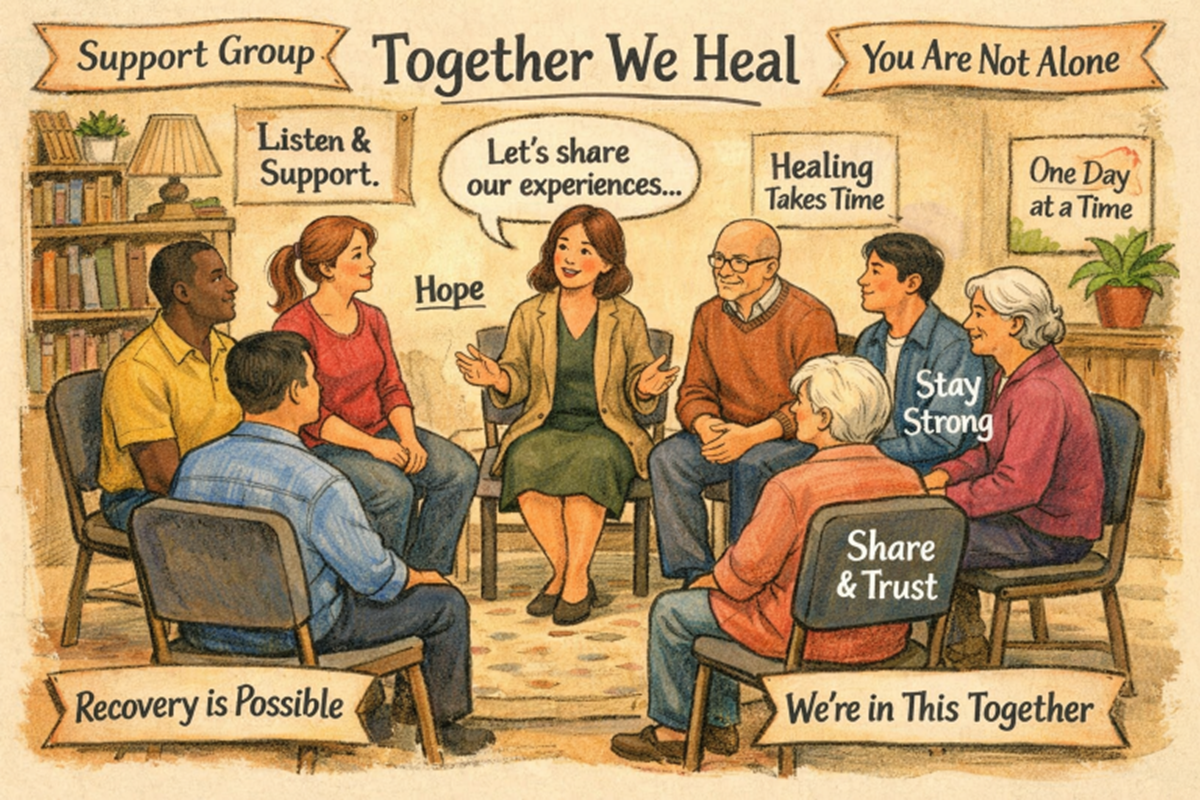
Group therapy plays a pivotal role in many successful recovery programs. By sharing experiences and challenges, individuals can find common ground, develop accountability, and gain perspective from others who understand what they are experiencing. Group sessions build a sense of community, reduce feelings of isolation, and provide support through every stage of recovery. Participation in group therapy has been linked to improved outcomes and greater treatment satisfaction, making it an invaluable part of addiction recovery for many.
Finding the right combination of therapies is essential on the road to recovery. With professional guidance and a willingness to try different approaches, individuals can discover the strategies that best support their long-term health and sobriety. Trust in the process, seek support, and consider reviewing information from sources such as SAMHSA for additional help and resources.