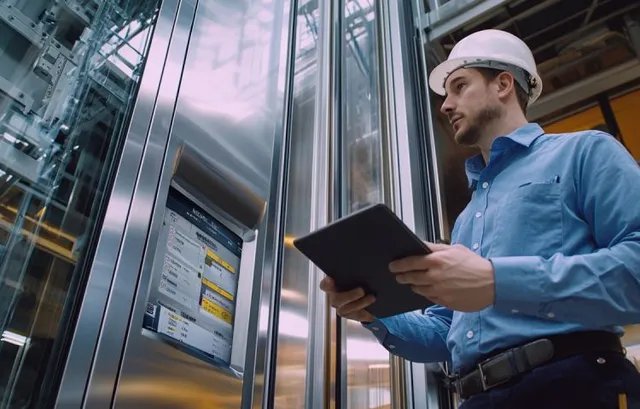
Modern buildings depend on elevators for accessibility, mobility, and safety. But behind every smooth elevator ride lies a complex network of codes, safety standards, and compliance regulations designed to protect passengers and property owners alike.


Over time, elevator technology evolves and so do the safety codes governing it. To remain compliant, property owners must regularly assess whether their elevator systems meet the latest technical and safety requirements. That process is known as a code upgrade, and it’s a vital part of long-term elevator management.
In this guide, we’ll break down what elevator code upgrades mean, why they’re essential, and how building owners can stay compliant using digital management tools like ElevatorApp.
What Are Elevator Code Upgrades?
Elevator code upgrades are updates or modifications made to elevator systems to ensure compliance with the most recent safety standards and local building codes.
As elevator codes evolve, they incorporate new technologies, better materials, and improved safety mechanisms. These changes might require property owners to replace outdated components, modernize controllers, or enhance fire, electrical, or accessibility systems.
In short, a code upgrade bridges the gap between an existing elevator’s condition and the latest regulatory standards.
Why Code Upgrades Matter More Than Ever
1. Passenger Safety Comes First
The primary purpose of elevator codes is to protect passengers. New regulations often address safety concerns identified through accident data, technological advancements, or field studies.
Without timely upgrades, a property owner risks running a system with outdated safety features which can lead to operational failures or even liability in case of an accident.
2. Avoid Costly Non-Compliance Penalties
Most regions require elevators to comply with a nationally or regionally recognized standard (for example, ASME A17.1 or EN 81). Failing to meet these standards can result in fines, shutdowns, or denial of operating permits.
A single missed compliance update can halt building operations especially in commercial or residential towers where elevators are essential to daily function.
3. Insurance and Liability Implications
Insurers often require proof that an elevator system meets the latest safety codes. If an incident occurs and your system is found non-compliant, you may face denied claims or increased premiums.
Regular code upgrades demonstrate proactive risk management, reassuring both insurers and tenants that the building prioritizes safety.
Understanding How Elevator Codes Work
Elevator codes are not static. They’re continuously reviewed and updated by technical committees, industry engineers, and safety regulators.
Common governing standards include:
- ASME A17.1 / CSA B44: Widely adopted in North America, focusing on the construction, installation, and maintenance of elevators and escalators.
- EN 81 Series (Europe): Covers the safety rules for construction and installation of lifts, including accessibility and modernization.
- ISO 8100: International standards focusing on lift design, performance, and passenger safety.
Local jurisdictions adopt and modify these codes to suit their regulatory environment. That means two buildings in different regions may have slightly different compliance requirements even if they use identical elevator systems.
The Most Common Elevator Code Upgrades
Code upgrades can range from simple component replacements to complete system overhauls. Here are the most frequent upgrade categories:
1. Door Safety and Detection Systems
Modern codes require sensitive door detectors that can sense movement or obstructions instantly, preventing injury or entrapment. Older mechanical “safety edges” are no longer compliant in most jurisdictions.
2. Fire Recall and Emergency Operation
Elevators must respond correctly during fire alarms returning to a designated landing and disabling normal operation. This feature ensures passenger safety during emergencies and compliance with fire codes.
3. Communication and Monitoring
Modern elevators must include two-way emergency communication systems that connect passengers to responders, even during power outages. New digital monitoring also helps inspectors remotely track system health through tools like ElevatorApp’s inspection dashboard.
4. Energy Efficiency and Control Modernization
As sustainability becomes a key focus, codes now encourage variable-frequency drives (VFDs), LED lighting, and regenerative drives that recycle energy. Modern control panels also improve speed accuracy and ride comfort.
5. Accessibility Compliance (ADA/EN81-70)
Upgrades may include voice annunciators, Braille-marked buttons, audible signals, and optimized car dimensions to accommodate wheelchair users and visually impaired passengers.
6. Brake and Door Lock Monitoring
Recent code changes require automatic brake and door lock monitoring systems that verify the elevator can safely start its journey. These smart systems prevent operation if a fault is detected.
How Often Are Elevator Codes Updated?
Most elevator codes are updated every three to five years, although adoption timelines vary by region.
For example:
- Some states or countries adopt the newest code immediately.
- Others may take years before local authorities enforce new standards.
That’s why property owners must track both national and local updates especially if managing multiple buildings across jurisdictions.
The Hidden Cost of Ignoring Code Upgrades
Delaying code compliance may seem like a short-term saving, but it can lead to major financial and operational losses.
Here’s what’s at stake:
- Fines and shutdowns for non-compliance after inspections.
- Increased liability if an accident occurs involving non-compliant equipment.
- Loss of occupancy permits in commercial properties.
- Tenant dissatisfaction due to safety concerns or repeated elevator downtime.
- Higher modernization costs later, since components degrade over time.
By contrast, scheduling upgrades proactively allows for better budgeting, vendor negotiation, and planned downtime that minimizes disruptions.
Digital Tools That Simplify Elevator Compliance
In the digital age, staying compliant doesn’t have to be complicated. Platforms like ElevatorApp streamline every step of code management from inspection tracking to modernization planning.
1. Centralized Compliance Dashboard
Keep all inspection reports, maintenance logs, and upgrade plans in one place. Building managers can easily monitor which systems are compliant and which require attention.
2. Automated Alerts for Code Updates
ElevatorApp automatically notifies property managers when local or international code changes occur, ensuring you never miss a compliance deadline.
3. Performance and Safety Analytics
Track fault trends, door operation times, and ride consistency data to detect potential compliance issues early. Proactive data insights mean fewer surprise violations.
4. Streamlined Collaboration
Property owners, technicians, and inspectors can collaborate within the same platform reducing paperwork, improving accountability, and speeding up audit readiness.
How to Prepare for Your Next Elevator Code Upgrade
Step 1: Conduct a Compliance Assessment
Hire a qualified elevator consultant or use a digital assessment tool to determine which parts of your system are outdated.
Step 2: Prioritize Safety-Critical Components
Address high-risk elements first like brake systems, fire recall, or door sensors. These upgrades deliver the most immediate safety benefits.
Step 3: Develop a Modernization Timeline
Create a multi-year upgrade plan that fits your operational and financial goals. Phased modernization minimizes downtime while ensuring consistent compliance.
Step 4: Digitize Your Maintenance Records
Paper logs are prone to loss and error. Use ElevatorApp’s digital tracking tools (Insert ElevatorApp Link Here) to log every inspection, service visit, and code update in real time.
Step 5: Partner with Certified Technicians
Always work with technicians certified under your region’s regulatory authority. A good contractor not only performs upgrades but also documents compliance for future audits.
The Future of Elevator Compliance
The next decade will see even greater integration of IoT, AI, and predictive maintenance in elevator compliance. Smart sensors will continuously monitor mechanical performance, alerting building managers before a violation or breakdown occurs.
Digital platforms like ElevatorApp are leading this transformation turning compliance into a continuous, data-driven process rather than a reactive checklist.
Staying compliant isn’t just about avoiding fines it’s about ensuring safety, reliability, and peace of mind for every passenger who steps into your elevator.
With evolving safety standards and complex regulations, code upgrades are an ongoing responsibility for every property owner.
By combining proactive modernization with digital oversight tools like ElevatorApp, you can streamline compliance, improve transparency, and extend the life of your elevator assets all while staying ahead of regulatory change.