Pest control is an essential part of maintaining a clean, safe, and comfortable living environment. Whether you’ve recently had a treatment for ants, cockroaches, spiders, or fleas, it’s natural to wonder how soon you can start cleaning your home again, especially vacuuming. After all, cleanliness helps prevent pests from returning, but you don’t want to risk undoing the effects of a professional pest treatment.


So, can you vacuum after pest control? The answer depends on the type of treatment used and the area that was treated. Professional pest service Brisbane experts often recommend waiting a certain period before vacuuming to ensure that the pesticide has time to work effectively. Cleaning too soon might remove the product residue and reduce its effectiveness.
In this article, we’ll explain when and how to vacuum after pest control, what precautions to take, and how to keep your home pest-free afterward.
Why Timing Matters After Pest Control
Most professional pest treatments leave a thin residue of pesticide on treated surfaces. This residue continues to kill pests over time, providing ongoing protection even after the initial application. If you vacuum or clean too early, you could remove this protective layer before it has a chance to do its job.
For example:
- Ant and cockroach treatments use liquid sprays that need several hours to dry and start working.
- Flea or bed bug treatments rely on surface residues that can remain active for days.
- Termite or rodent treatments often involve bait systems, where vacuuming nearby could disturb their placement.
That’s why pest service Brisbane professionals emphasize following post-treatment instructions carefully. Knowing when to vacuum ensures you get the best results from your pest control service.
How Long Should You Wait Before Vacuuming?
The waiting time before vacuuming depends on the treatment type and the area affected. Here are general guidelines:
| Type of Pest Treatment | Recommended Waiting Time Before Vacuuming |
| General insect spray (ants, cockroaches, spiders) | 24 to 48 hours |
| Flea treatment | 7 to 10 days |
| Bed bug treatment | 10 to 14 days |
| Termite treatment | Avoid vacuuming near treated soil areas |
| Rodent baiting | Do not disturb traps or baited zones |
For most indoor pest control treatments, it’s safe to vacuum after 2 to 3 days, but for certain pests like fleas or bed bugs, waiting longer is beneficial. Always confirm the exact time with your pest control technician they know the products and methods used in your home.
Why You Should Avoid Vacuuming Too Soon
Vacuuming immediately after pest control may seem like a good way to tidy up, but it can actually make the treatment less effective. Here’s why:
1. You Might Remove the Pesticide Residue
Most pest control sprays are designed to leave a fine film that continues killing pests for weeks. Vacuuming too soon can remove this protective barrier.
2. It Can Interrupt Pest Movement
Pests often emerge from hiding spots after treatment, moving across treated surfaces and contacting the pesticide. If you vacuum too early, pests may not encounter enough residue to be eliminated.
3. Reduced Effectiveness for Flea Treatments
For flea treatments, professionals often apply insect growth regulators (IGRs) that target eggs and larvae. Vacuuming before the IGR has time to take effect can disrupt this process, allowing fleas to survive and reproduce.
4. Potential Safety Issues
If the treated surfaces haven’t fully dried, vacuuming might spread chemical particles into the air or onto other surfaces. This can cause unnecessary exposure and reduce indoor air quality.
Waiting the recommended time ensures maximum pest control effectiveness and keeps your family safe.
When Vacuuming Helps Pest Control
Although vacuuming too early can reduce the treatment’s effectiveness, strategic cleaning at the right time can enhance your pest control results.
Here’s how vacuuming helps when done properly:
- Removes Dead Pests:
After treatment, you may notice dead insects. Vacuuming after the waiting period helps keep your home tidy and hygienic. - Reduces Allergen Buildup:
Pest droppings and dead insect parts can trigger allergies. Regular vacuuming helps maintain cleaner indoor air. - Prevents Reinfestation:
Cleaning food crumbs, dust, and clutter removes attractants that could lure new pests. - Improves Carpet Hygiene:
For pests like fleas, vacuuming plays a major role in removing eggs and larvae from carpets. Once the pesticide has worked for several days, vacuuming boosts effectiveness.
Professionals from pest service Brisbane often recommend vacuuming a few days after treatment to remove dead insects and debris, but without disturbing treated edges or corners.
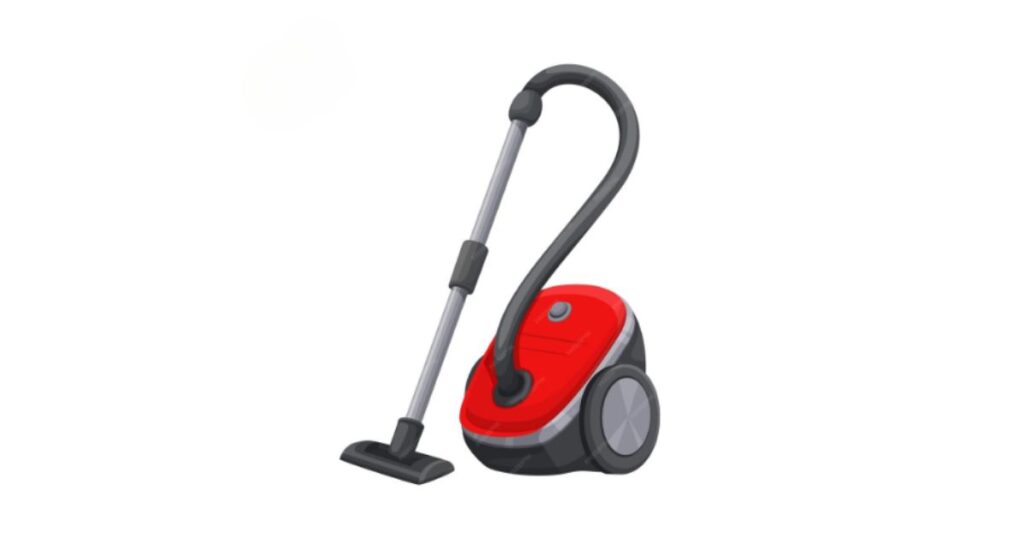
Step-by-Step Guide: How to Vacuum Safely After Pest Control
Once your technician confirms it’s safe to vacuum, follow these steps to ensure you clean effectively without affecting the treatment’s power.
Step 1: Wait for the Recommended Period
Give the pesticide enough time to dry and take effect. Avoid vacuuming or wiping surfaces for at least 24 to 48 hours.
Step 2: Ventilate the Area
Before cleaning, open windows and doors to allow fresh air to circulate and clear any lingering odors.
Step 3: Focus on Non-Treated Areas First
Start with areas like hallways, furniture, or rooms that weren’t directly sprayed. This helps maintain the integrity of treated zones.
Step 4: Vacuum Lightly Along Edges
If the edges of carpets or baseboards were sprayed, vacuum gently without direct contact. Avoid scrubbing or deep brushing in treated areas.
Step 5: Empty the Vacuum Bag or Canister
After vacuuming, dispose of the vacuum bag or clean the canister thoroughly outside. Seal and discard debris to prevent any remaining pests from escaping.
Step 6: Clean Gradually
You don’t need to deep clean immediately after pest control. Light cleaning over the next few weeks helps maintain a balance between cleanliness and pest treatment effectiveness.
What About Mopping or Dusting?
Just like vacuuming, mopping and dusting should be delayed after pest control. If the technician sprayed floors or baseboards, mopping too soon can remove the pesticide residue.
Here are some quick tips:
- Wait at least 48 hours before mopping.
- Mop only the untreated areas during this time.
- Use a damp mop instead of a soaking wet one.
- Avoid strong cleaning chemicals that could neutralize the pesticide.
Your pest service Brisbane technician can provide specific aftercare advice based on the products used.
How to Clean After Fumigation
If your home has been fumigated, the cleaning process differs from regular pest sprays. Fumigation involves the use of gas, so there won’t be any chemical residue on surfaces.
Here’s what to do after fumigation:
- Wait until professionals declare it safe to enter.
- Open all windows and doors to ventilate the area.
- Vacuum and wipe down all surfaces to remove dust and dead insects.
- Wash bedding and clothing stored in exposed areas.
Since fumigation doesn’t leave residue, vacuuming as soon as the house is ventilated is safe.
Long-Term Maintenance After Pest Control
After the initial cleaning, it’s important to maintain your home properly to prevent pests from coming back. Here are simple habits to follow:
1. Keep Your Home Clean
Vacuum regularly to remove crumbs, pet hair, and dust. Pests are attracted to leftover food particles and clutter.
2. Seal Entry Points
Close off cracks, gaps, and holes in walls, windows, and doors to prevent pests from entering.
3. Store Food Securely
Use airtight containers for food and pet feed. Keep counters and sinks clean and dry.
4. Dispose of Garbage Properly
Empty bins regularly and use lids to prevent attracting flies, roaches, or rodents.
5. Schedule Regular Inspections
Professional pest service Brisbane providers recommend scheduling inspections every six months to ensure your home remains pest-free.
Common Mistakes to Avoid After Pest Control
- Vacuuming Too Early – This can remove the chemical barrier.
- Over-Cleaning – Excessive mopping and wiping can make treatments ineffective.
- Ignoring Technician Instructions – Always follow specific aftercare advice.
- Skipping Ventilation – Fresh air circulation is crucial for safety.
- Leaving Food or Pet Items Exposed – Always cover them before and after treatment.
Avoiding these mistakes ensures you get the maximum benefit from your pest control treatment.
How Pest Services Maintain Safety Standards
Modern pest control focuses on safety, efficiency, and eco-friendly solutions. Professionals use approved products that are effective yet safe for humans, pets, and the environment.
Licensed pest service Brisbane companies follow strict safety regulations and Australian health standards. They also provide clear post-treatment instructions tailored to your home’s needs.
Their goal is not just to eliminate pests but also to ensure long-term prevention through safe and sustainable practices.
Conclusion
Vacuuming after pest control is an important part of maintaining cleanliness, but timing is crucial. For most treatments, it’s best to wait 24 to 48 hours before vacuuming. In cases of flea or bed bug infestations, waiting up to a week allows the treatment to work fully.
By following professional guidance, ventilating your home, and cleaning carefully, you can maintain a pest-free environment without reducing the effectiveness of the treatment.
For long-term protection and expert aftercare advice, always rely on a licensed pest service Brisbane provider. They not only eliminate pests but also guide you on safe cleaning practices that ensure your home stays healthy, comfortable, and pest-free for months to come.