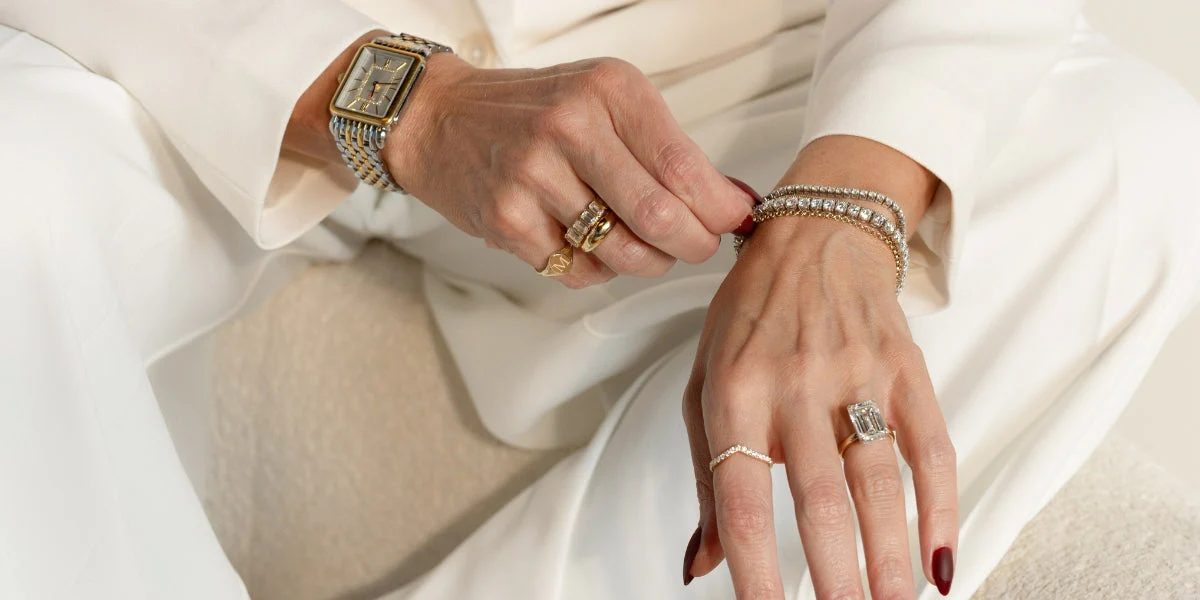
I used to think tennis bracelets were just for fancy events or older women, but I was completely wrong about that. The best tennis bracelets work with basically everything from jeans and a t-shirt to a cocktail dress. What makes them so versatile is the simple continuous line of stones set in metal. There’s no chunky clasp or complicated design to clash with other jewelry. You can layer them with watches and other bracelets or wear them alone. The key is finding the right stone size and metal type for your lifestyle. Someone who works with their hands all day needs something different than someone who wears them occasionally for special occasions.


Classic Round Diamond Tennis Bracelets
The traditional style uses round brilliant cut diamonds in a prong or channel setting. Stone sizes typically range from 2 carats total weight up to 10 or more carats for the whole bracelet. The 3 to 5 carat range seems to be the sweet spot for everyday wear because it’s noticeable without being so flashy that you feel weird wearing it to the grocery store.
Prong settings show more of each diamond, which creates more sparkle. The metal prongs hold each stone individually, and you can see light pass through from all angles. Channel settings encase the diamonds between two metal walls, offering more protection. I’ve talked to jewelers who say channel settings are better for people who are rough on jewelry because the stones are less likely to get knocked loose.
White gold and platinum are the most popular metal choices for classic styles. They don’t compete with the diamonds for attention. Yellow gold is making a comeback though, and I actually think it looks great because the contrast makes the diamonds stand out even more.
Graduated and Mixed Stone Designs
Graduated tennis bracelets start with smaller stones at the clasp area and increase in size toward the center. This creates a subtle focal point and can make the bracelet look more expensive than it actually is because the larger center stones catch attention first.
Mixed stone designs alternate diamonds with colored gemstones like sapphires, emeralds, or rubies. These add personality while maintaining the tennis bracelet’s sleek structure. A diamond and sapphire bracelet in white gold reads as elegant and professional. Diamond and emerald in yellow gold has more of a vintage feel.
The mixed stone approach also brings the price down if you’re working with a budget. Colored gemstones generally cost less per carat than diamonds of comparable quality, so alternating them lets you get the look of a substantial piece for less money.
Bezel Set and Modern Minimalist Styles
Bezel settings wrap each diamond completely in metal, showing only the top surface of the stone. This creates a smoother, more modern look. There are no prongs to catch on clothing or snag on things. The stones sit lower and closer to your wrist.
I think bezel set bracelets are probably the best choice for people who want something durable they can wear every single day. The stones are protected. The bracelet is thinner and less likely to get in your way. It pairs well with smart watches too, which is something I see people doing more often now.
The trade-off is less sparkle. You’re seeing less of each diamond, so there’s less light return and fire. But the clean geometric look appeals to people who prefer contemporary jewelry over traditional styles.
Lab-Grown Diamond Options
Lab-grown diamonds have changed the tennis bracelet market significantly. You can get a 5 carat total weight lab-grown diamond tennis bracelet for maybe a third of what the same bracelet would cost with natural diamonds. The stones are chemically and optically identical. You can’t tell them apart without specialized equipment.
For people who want the look but find natural diamond prices prohibitive, lab-grown is a solid option. The resale value isn’t there like it is with natural diamonds, but if you’re buying jewelry to wear and enjoy rather than as an investment, that might not matter to you.