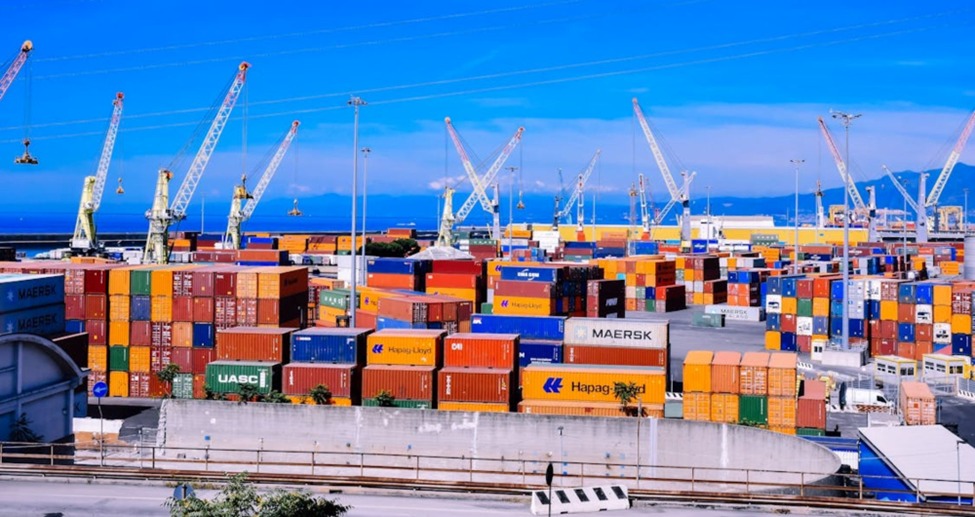
Buying a shipping container can be a wise investment—whether you need it for storage, construction, transportation, or a custom container project. However, many first-time buyers end up paying far more than necessary simply because they don’t understand how shipping container pricing works. With prices varying widely based on condition, size, location, and seller reputation, it’s easy to overpay if you rush into a purchase.


Many people rush to buy shipping containers without thoroughly researching the market, which often leads to unnecessary expenses, poor-quality units, or hidden fees. This guide is designed to help you avoid those mistakes.
This article breaks down 10 essential, real-world tips that will help you buy a shipping container at a fair price while avoiding hidden costs, low-quality units, and common scams. If you want to make a confident, informed decision and get the best value for your money, this guide will walk you through everything you need to know.
1. Understand How Shipping Container Prices Are Determined
Before you start contacting sellers, it’s essential to understand why shipping container prices can vary so dramatically. Containers are not priced randomly; understanding the key factors gives you immediate leverage as a buyer.
The most significant factor is container condition. New or “one-trip” containers cost significantly more than used units because they have minimal wear and a longer lifespan. Used containers are cheaper, but prices vary based on age, structural integrity, and cosmetic condition.
Size also plays a role. Standard 20-foot and 40-foot containers are usually the most affordable because of their high availability. Specialised sizes or high-cube containers often come with a premium.
Location is another major factor. Containers stored near ports or central logistics hubs tend to be cheaper, while inland transportation tends to increase costs. Steel prices, global trade demand, and seasonal availability also influence market pricing. Understanding these elements allows you to identify fair offers and avoid inflated prices.
2. Choose the Right Container Size for Your Actual Needs

Choosing a container that’s larger than necessary is a common and expensive mistake. Bigger containers not only cost more upfront but also increase delivery and placement expenses.
A 20-foot shipping container is suitable for most storage needs, small businesses, and residential use. It offers ample space while remaining easy to transport and position.
A 40-foot container doubles storage capacity but requires more space, heavier delivery equipment, and higher transportation costs. High-cube containers add extra vertical space, which is helpful for modifications but unnecessary for standard storage.
Carefully assess your space, access points, and actual storage requirements before committing. Buying only what you need is one of the simplest ways to avoid overspending.
3. Know the Difference Between New and Used Shipping Containers
Not every buyer needs a brand-new container, yet many pay for one out of uncertainty. Understanding the differences between new and used containers can lead to significant savings.
A one-trip container has typically been used once to transport cargo overseas. These containers are clean, structurally sound, and visually appealing, making them ideal for offices, retail spaces, or container homes.
Used containers, on the other hand, are far more affordable and are commonly used for storage and industrial purposes. Many used containers remain in excellent structural condition despite cosmetic wear.
If appearance is not your top priority, a used container often provides the best value without compromising durability or security.
4. Learn Container Condition Grades Before Buying
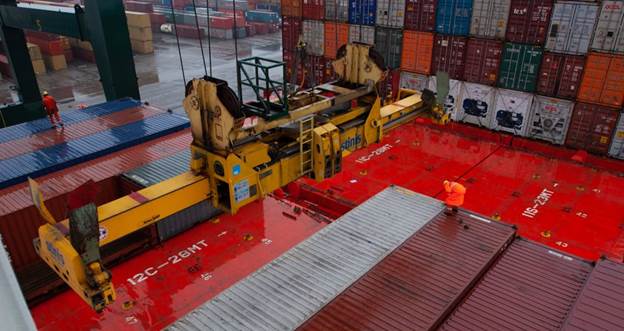
Container condition grades exist to help buyers understand what they are purchasing, but many first-time buyers are unfamiliar with these classifications.
A Cargo Worthy (CW) container meets structural standards for international shipping. These containers are solid and reliable, though they may show signs of use.
A Wind and Water Tight (WWT) container is no longer certified for shipping but remains weatherproof and structurally sound. This grade is ideal for storage and offers excellent value.
An AS-IS container is sold in its current condition and may require repairs. While cheaper, these units can quickly become costly if significant fixes are needed.
Always confirm the grade and request clarification if anything is unclear.
5. Compare Multiple Sellers Before Making a Decision
Never accept the first quote you receive. Container pricing varies widely between suppliers, and comparing multiple sellers can save you a significant amount of money.
Some sellers include delivery in their pricing, while others charge it separately. Inventory quality, container location, and customer service standards also vary.
Searching for Shipping containers for sale near me can help you find local suppliers and reduce delivery costs, but location alone doesn’t guarantee fair pricing. Request multiple quotes, compare conditions and services offered, and don’t be afraid to negotiate.
6. Watch Out for Hidden Costs and Extra Fees
Hidden fees are a significant reason buyers overpay for shipping containers. A container that appears affordable can quickly become expensive once additional charges are added.
Delivery fees are often underestimated. Distance, site access, unloading equipment, and ground conditions all affect final delivery costs. Some locations may require cranes or forklifts, which add to the expense.
Other hidden costs may include taxes, permits, site preparation, container modifications, or storage fees if delivery is delayed. Always ask for a detailed, itemised quote to understand the actual total cost before committing.
7. Verify the Seller’s Reputation and Physical Location
Scams are a genuine concern in the shipping container market, especially when dealing with online sellers. Unrealistically low prices are often a warning sign.
A legitimate seller should have a physical business address, verifiable contact details, customer reviews, and transparent pricing. Be cautious of sellers who pressure you to pay quickly or only accept untraceable payment methods.
When buyers rush to buy shipping containers from unverified sources, they increase the risk of fraud or receiving poor-quality units. Taking time to verify the seller protects both your money and your investment.
8. Inspect the Container or Request Recent Photos
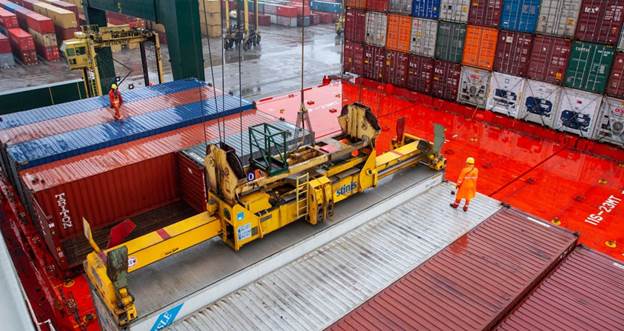
Inspect the container in person before purchasing. If that’s not feasible, request recent, high-quality photos of the actual unit you’ll receive.
Check for structural issues, such as heavy rust, floor damage, misaligned doors, or bent frames. Minor dents are typical, but structural defects can reduce the container’s lifespan and increase repair costs.
Reputable sellers will willingly provide photos, inspection reports, or even video walkthroughs. Refusal to do so is a major red flag.
9. Understand Delivery and Placement Requirements
Delivery logistics are more complex than many buyers expect. Containers require adequate space for delivery trucks, stable ground for placement, and clear access routes.
Some deliveries use tilt-bed trucks, while others require cranes or forklifts. You should confirm whether placement is included or if the container will simply be unloaded nearby.
Discuss site conditions and placement requirements with the seller in advance to avoid unexpected costs or delivery delays.
10. Time Your Purchase for Better Deals
Timing plays a bigger role in container pricing than most buyers realise. Prices fluctuate based on steel costs, global shipping demand, and seasonal construction activity.
During slower periods, suppliers are often more willing to negotiate. If your purchase isn’t urgent, monitoring the market and remaining flexible can help you secure a better deal.
Patience and timing can make a noticeable difference in overall cost.
Final Thoughts: Buy Smart, Not Fast
Buying a shipping container doesn’t need to be stressful or expensive. Overpaying usually happens when buyers rush decisions, fail to research sellers, or misunderstand pricing and condition grades.
By understanding how prices are determined, choosing the right size and condition, comparing multiple sellers, and watching for hidden costs, you can confidently purchase a container that meets your needs without overspending.
A shipping container is a long-term investment. Taking an innovative, informed approach ensures you get quality, value, and peace of mind—without paying more than you should.