If you’ve been lifting for a few weeks and the scale is acting like it did not get the memo, you’re not alone. It’s one of the most frustrating parts of trying to “get healthy” because the number feels like the scoreboard. Step on. Win or lose. Repeat.


But here’s the thing. The scale is a messy narrator. It tells one part of the story, and sometimes it tells it badly.
Strength training gives you health wins that don’t wait for weight loss. In fact, resistance training keeps showing up in research as a solid protector of health even when body weight barely moves. That’s not a motivational poster. It’s a practical reality you can build around.
So if you’ve been doing your workouts, eating with more intention, and wondering why progress feels slow, let’s talk about what strength training is doing behind the scenes.
The scale is not a clean metric, and it never was
Body weight is made of a lot of moving parts. Water, glycogen (stored carbs in your muscles), food still in your system, inflammation, hormones, sleep, stress, and yes, fat and muscle too.
When you start resistance training, your muscles store more glycogen. Glycogen binds water. That alone can bump weight up a little even while you’re losing fat. Your body can also hold water after hard sessions as part of normal repair. That’s not “getting worse.” That’s recovery.
Also, you can gain a bit of lean mass while you lose fat, especially if you’re new to lifting. The scale can sit still while your body composition changes. Pants fit differently. Stairs feel easier. You stop getting winded carrying groceries. That’s progress, even if the scale is stubborn.
And honestly, the scale doesn’t care that your resting heart rate improved or that your blood sugar is steadier. But your body does.
Quick reality check: what you measure shapes what you value
If you only measure weight, you’ll only celebrate weight loss. But health is broader than that. Track a few other things for a month and you’ll start seeing the “invisible” wins.
Try two or three of these:
- How many push-ups you can do (even modified)
- Your best set on a squat, row, or deadlift
- Waist measurement
- How do you feel mid-afternoon (energy crash or steady?)
- Sleep quality and morning stiffness
You don’t need a spreadsheet for it, but you can use one if you like that vibe. Think of it like a weekly status report for your body.
Strength training protects your metabolism and your future self
When people diet without resistance training, they often lose muscle along with fat. That matters because muscle is active tissue. It helps you handle carbs, supports your joints, and makes everyday movement cheaper in terms of effort.
Strength training sends a clear message to your body: keep the muscle. That makes weight loss more “quality” weight loss.
It also helps with something nobody wants to talk about because it sounds unglamorous. Aging. After your 30s, most people gradually lose muscle if they don’t challenge it. That loss can snowball into weakness, falls, and chronic pain later. Strength training is one of the best ways to slow that down.
Even if fat loss is slow right now, you’re building capacity. More strength gives you more options. You can walk longer. You can train harder. You can stay consistent. That’s how long-term change actually sticks.
It improves blood sugar, blood pressure, and heart health without asking permission from the scale
A lot of health risk is tied to how your body handles glucose and fat in the blood. Resistance training helps muscles act like a sponge for glucose. After you train, your muscles pull in more glucose to refill glycogen, and they get better at responding to insulin.
That’s a big deal for:
- Prediabetes and type 2 diabetes risk
- Energy swings after meals
- That “i need something sweet right now” feeling that hits when blood sugar drops fast
Strength training also supports cardiovascular health, especially when paired with walking or any steady movement you can do consistently. And it can help lower blood pressure in many people over time. Not instantly. But steadily, like compounding interest.
So while the scale is being dramatic, your internal markers can be trending in the right direction.
The “small” routines that make the big stuff work
This is where people roll their eyes, but it’s true. Sleep, stress, and protein intake influence how you respond to strength training.
If your sleep is a mess, recovery is harder. Appetite can spike. Training feels heavier. You can still make progress, but it’s slower and more frustrating.
You don’t need perfection. You need a baseline you can maintain.
Your body recomposes, and that can look like nothing is happening
Body recomposition is when you lose fat and gain muscle at the same time. The scale can stay the same because you’re trading one type of tissue for another.
This is why people sometimes say, “I’m stuck,” while their photos tell a different story.
Muscle is denser than fat. A smaller amount of muscle can take up less space than a larger amount of fat. Translation: you can look leaner and feel stronger without losing much weight.
This is also why strength training can protect mental momentum. When you can add five pounds to a lift, you get proof that effort leads to change. That matters on the weeks when the scale is rude.
The mental health side is real, and it matters more than people admit
Let’s talk about the brain for a second.
Strength training can help with mood, stress response, and confidence. It gives structure to your week. It gives you a place where you practice doing hard things on purpose, then leaving. That sounds simple, but it’s powerful.
And for some people, health goals overlap with coping. Food, alcohol, or other substances can become a pressure valve when life feels heavy. If that’s part of your story, you’re not broken. You’re human.
If you’re noticing that substances are becoming a go-to way to manage stress, getting support can be a smart move, not a dramatic one. Programs like Substance Abuse Treatment in Idaho can help you build healthier coping skills and a steadier foundation, so your fitness goals don’t have to fight your mental load.
Strength training fits into recovery too. Not as a replacement for care, but as a steady routine that supports sleep, mood, and self-trust.
So what should you do if weight loss is slow but you want results?
You don’t need to throw out your plan. You need to tighten a few screws and stop expecting the scale to be the only witness.
Here’s what works for most people.
1) Lift with a simple progression
Pick a routine you can repeat. Track your sets and reps. Add weight slowly or add reps before weight. Keep it boring enough that you can stay consistent.
A simple structure:
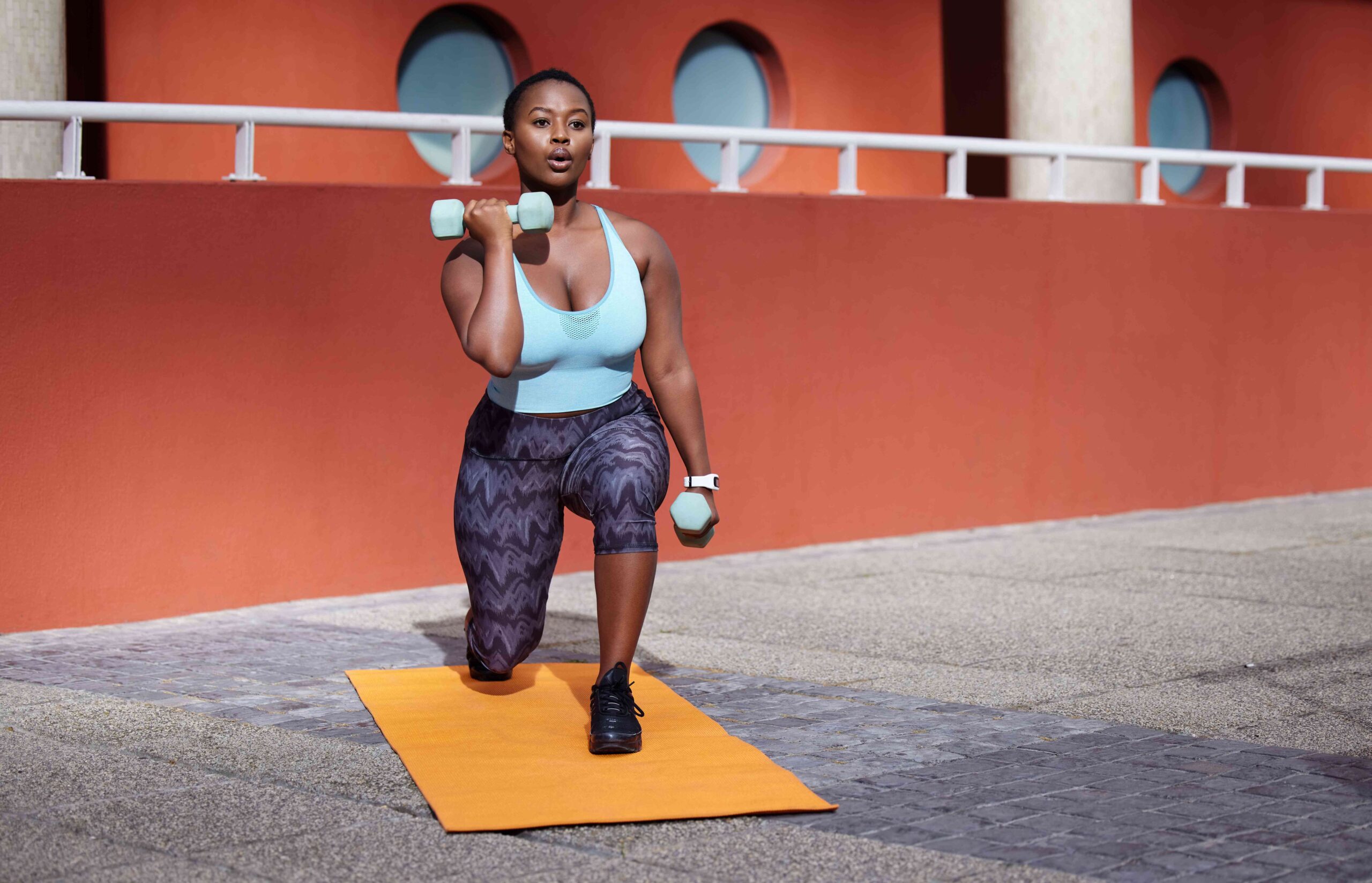
- 2–4 strength sessions a week
- 5–8 core movements total across the week (squat pattern, hinge, push, pull, carry)
- 2–4 sets per movement
- Work in a rep range you can do with solid form
If you’re new, start lighter than your ego wants. Your joints will thank you.
2) Eat enough protein and stop guessing
Protein supports muscle repair and helps you stay full. You don’t need a perfect macro plan, but you do need consistency.
Practical tip: include a protein source at each meal. If that’s hard, start with breakfast. It sets the tone for the day.
3) Add daily walking like it’s a meeting you can’t cancel
Walking helps recovery and burns energy without wrecking you. It also helps blood sugar control. Ten minutes after meals count. It all counts.
4) Use a better dashboard than “scale only”
Pick one body measurement, one strength marker, and one habit marker.
Example:
- Waist measurement every two weeks
- Best set of goblet squats each week
- Sleep time or step count tracked daily
This keeps you grounded in reality.
5) Don’t ignore the support side if life feels messy
If stress is high, sleep is poor, or your relationship with food feels chaotic, that’s not a character flaw. It’s a signal. More discipline is not always the fix.
For some people, higher-level support is the missing piece. If you need structured care, especially if substance use is part of the picture, California residential treatment can provide a stable setting where recovery comes first and healthy routines can actually take root.
That support can make fitness feel possible again instead of another task you fail at.
Common worries, answered like a real person
“Am i wasting my time if i’m not losing weight?”
No. If you’re getting stronger, you’re improving your health profile. You’re also building the engine that makes future weight loss easier.
“What if lifting makes me bulky?”
Most people do not gain muscle fast enough for that to happen by accident. Plus, the look most people call “bulky” is usually a mix of muscle plus body fat. If fat loss is part of your goal, strength training helps you lose fat while keeping shape.
“Should I stop lifting and do more cardio?”
If you enjoy cardio, keep it. But don’t ditch resistance training. The combo is solid: strength for muscle and metabolic health, cardio for heart fitness, and both for mood.
The real takeaway: slow weight loss does not equal slow health progress
You can be getting healthier while the scale barely moves. Strength training protects muscle, supports blood sugar control, improves daily function, and builds the kind of resilience that carries you through stressful seasons.
And you don’t have to treat it like a forever grind. Think of it as building a body that can handle life. The meetings, the errands, the bad sleep weeks, the holidays, the random curveballs. A stronger body gives you more buffer.
So keep lifting. Track the right things. Make small adjustments. And if you need extra support for the stuff that makes consistency hard, get it. That’s not a weakness. That’s smart project management for your health.
You’re not behind. You’re building the base.