Over the last decade, repurposed steel containers have moved far beyond their original role in global logistics. What was once a purely functional storage solution has become a versatile building block for modern lifestyles, creative spaces, and alternative real estate uses. As cities grow denser, land prices increase, and sustainability becomes a central concern, people are re-evaluating how space can be created, reused, and optimized. In this context, the shipping container has emerged as an unconventional yet practical answer to a wide range of lifestyle needs.


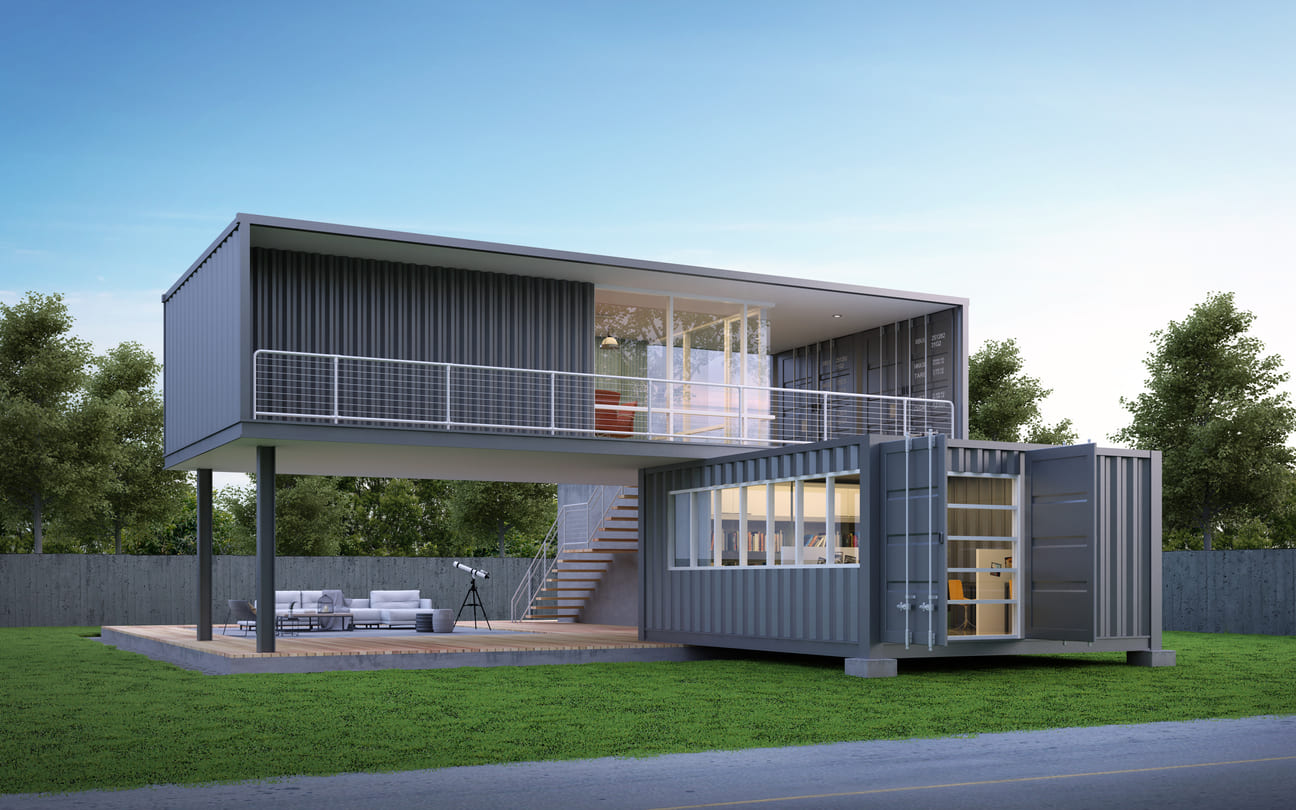
While early adoption focused heavily on construction and industrial storage, the conversation has expanded. Today, these structures are being reimagined as homes, offices, studios, retail units, and recreational spaces. Larger units, such as the 40 ft shipping container, have played a significant role in this evolution, offering enough interior volume to support comfortable, multi-functional environments. However, turning a cargo unit into a livable or usable lifestyle space involves more than creativity—it requires thoughtful decision-making, trade-offs, and a clear understanding of long-term impacts.
This article explores how container-based spaces are being used beyond traditional construction, the factors influencing their success, and the challenges that come with different lifestyle applications.
The Shift From Utility to Lifestyle
At their core, steel containers were designed for durability, uniformity, and efficiency. These same qualities make them appealing for adaptive reuse. Their modular dimensions allow for predictable planning, while their strength supports modification without extensive structural reinforcement. Over time, architects, designers, and property owners began to see potential beyond storage, especially as urban living trends pushed toward compact and flexible spaces.
Lifestyle uses differ from industrial ones in a key way: comfort and aesthetics matter just as much as function. Whether the goal is a backyard workspace, a compact guest unit, or a pop-up commercial venue, the container must be transformed to support daily human activity. This shift introduces new variables—insulation, ventilation, lighting, and interior finishes—that are irrelevant in pure storage applications.
The appeal lies in adaptability. A single unit can be relocated, repurposed, or redesigned as needs change. For people seeking flexible real estate solutions or experimenting with alternative lifestyles, this adaptability is a major advantage.
Residential Lifestyle Applications
Compact Living and Secondary Dwellings
One of the most visible lifestyle uses is residential living. Containers are often used to create compact homes, backyard guest houses, or accessory dwelling units (ADUs). Their standardized footprint simplifies planning, particularly for properties with limited space.
However, residential conversion involves important trade-offs. While the steel shell provides a strong structure, it conducts heat and cold easily. Proper insulation is essential but reduces interior space and increases costs. Similarly, installing plumbing, electrical systems, and natural light sources requires cutting into the structure, which adds complexity and must be done carefully to maintain integrity.
For larger households or long-term living, a 40 feet shipping container offers more flexibility. Its length allows for separate zones—sleeping, living, and kitchen areas—making it more suitable for full-time occupancy. The challenge lies in balancing openness with privacy and ensuring compliance with local zoning and building regulations.
Design Freedom vs. Practical Constraints
From a design perspective, container homes can be striking. Minimalist aesthetics, industrial finishes, and modern interiors appeal to a growing audience. Yet design freedom is not unlimited. The narrow width of most units restricts layout options, and extensive customization can quickly erode the cost advantages that initially attract buyers.
The key decision is whether the container is being used as a cost-effective structure or as a design statement. In many cases, it becomes both—but achieving that balance requires careful planning.
Work and Creative Spaces
Home Offices and Studios
Remote work has reshaped how people think about space. Containers are increasingly used as detached home offices, art studios, or music rooms. These applications benefit from separation from the main residence, offering privacy and reduced distractions.
Compared to traditional extensions, container offices can be installed faster and with less disruption. A storage container placed in a backyard can be converted into a functional workspace with proper insulation, electrical connections, and soundproofing.
The trade-off here is permanence. While mobility is an advantage, it can also limit long-term customization. Owners must decide whether they want a semi-permanent solution or a structure that can be moved or sold later. This decision influences everything from foundation type to interior materials.
Small Business and Entrepreneurial Use
Beyond residential properties, containers are increasingly used for lifestyle-oriented businesses. Examples include photography studios, fitness rooms, workshops, and consultation spaces. For entrepreneurs, these units offer a lower barrier to entry than leasing commercial real estate.
A 40 ft container is often preferred for such uses because it can accommodate clients comfortably while allowing room for equipment or displays. However, operating a business from a container introduces regulatory challenges. Accessibility standards, fire safety, and local business permits all play a role in determining feasibility.
Retail, Hospitality, and Social Spaces
Pop-Up Retail and Cafés
Temporary retail has embraced container architecture. Pop-up shops, cafés, and seasonal markets benefit from the mobility and visual appeal of container-based units. They can be placed in high-traffic areas without long-term commitments, making them attractive for testing new concepts.
The challenge lies in balancing mobility with infrastructure needs. Water supply, waste management, and power connections must be planned in advance. Additionally, while containers are durable, they require regular maintenance in public settings to prevent wear and corrosion.
Community and Recreational Uses
Containers are also being used as community hubs, gyms, libraries, and event spaces. Their modular nature allows multiple units to be combined into larger complexes. In recreational contexts, they serve as pool houses, game rooms, or outdoor entertainment areas.
These uses highlight an important factor: social impact. Repurposing containers can activate underused land, support local entrepreneurship, and create shared spaces without large construction projects. However, community acceptance varies. Some neighborhoods embrace the aesthetic; others view it as temporary or industrial.
Sustainability and Environmental Impact
One of the most frequently cited benefits of container reuse is sustainability. Repurposing an existing structure reduces demand for new building materials and minimizes construction waste. For environmentally conscious property owners, this is a compelling argument.
However, sustainability is not automatic. Modifications such as insulation, interior finishes, and transportation can offset some environmental benefits. The distance a container is transported, the materials used for conversion, and energy efficiency during use all affect the overall footprint.
Choosing a larger unit, such as a 40 ft container, can be more efficient for certain applications, as it reduces the need to combine multiple smaller units. Still, decision-makers must weigh initial environmental benefits against long-term energy performance.
Financial Considerations and Trade-Offs
Cost is often a motivating factor, but it is also one of the most misunderstood aspects of container projects. While the base structure may be affordable, conversion costs vary widely depending on intended use.
Lifestyle applications typically require:
- Insulation and climate control
- Electrical and plumbing systems
- Interior finishes and furnishings
- Permits and inspections
In some cases, the total investment approaches or exceeds that of traditional construction, particularly when high-end finishes are involved. The trade-off is flexibility. Containers can often be resold, relocated, or repurposed more easily than permanent structures, which can improve long-term value.
For real estate investors, containers offer an alternative asset class. They can generate rental income, support short-term accommodation, or enhance property value by adding functional space. However, market acceptance and financing options may be limited compared to conventional buildings.
Regulatory and Planning Challenges
Perhaps the most significant challenge in lifestyle container use is regulation. Zoning laws, building codes, and homeowners’ association rules vary widely. What is allowed in one area may be prohibited in another.
Residential uses often face stricter scrutiny, especially for full-time occupancy. Fire safety, structural modifications, and sanitation standards must be met. For commercial or public uses, accessibility and safety regulations add another layer of complexity.
These challenges underscore the importance of impact assessment when making decisions. Beyond personal preference, owners must consider how a container structure affects neighbors, property values, and long-term land use plans.
Balancing Innovation With Practicality
The appeal of container-based lifestyle spaces lies in their blend of innovation and practicality. They challenge traditional ideas of what buildings should look like and how space should be used. At the same time, they demand realistic expectations.
Success depends on aligning purpose with design. A backyard studio has different requirements than a retail unit or guest house. Understanding those requirements early helps avoid costly changes later.
Equally important is considering the broader impact—environmental, social, and financial. Containers can support sustainable development and flexible living, but only when used thoughtfully and responsibly.
Wrapping Up
From homes and offices to cafés and community spaces, containers have proven that they are more than just industrial boxes. When adapted carefully, they offer flexible, stylish, and functional solutions for modern lifestyles. The journey from storage to style is not without challenges, but for those willing to navigate design constraints, regulatory hurdles, and cost considerations, the rewards can be significant.
Ultimately, lifestyle uses of containers represent a shift in how people think about space, ownership, and adaptability. By balancing creativity with practicality and considering long-term impact, these structures can play a meaningful role in the future of real estate and everyday living.