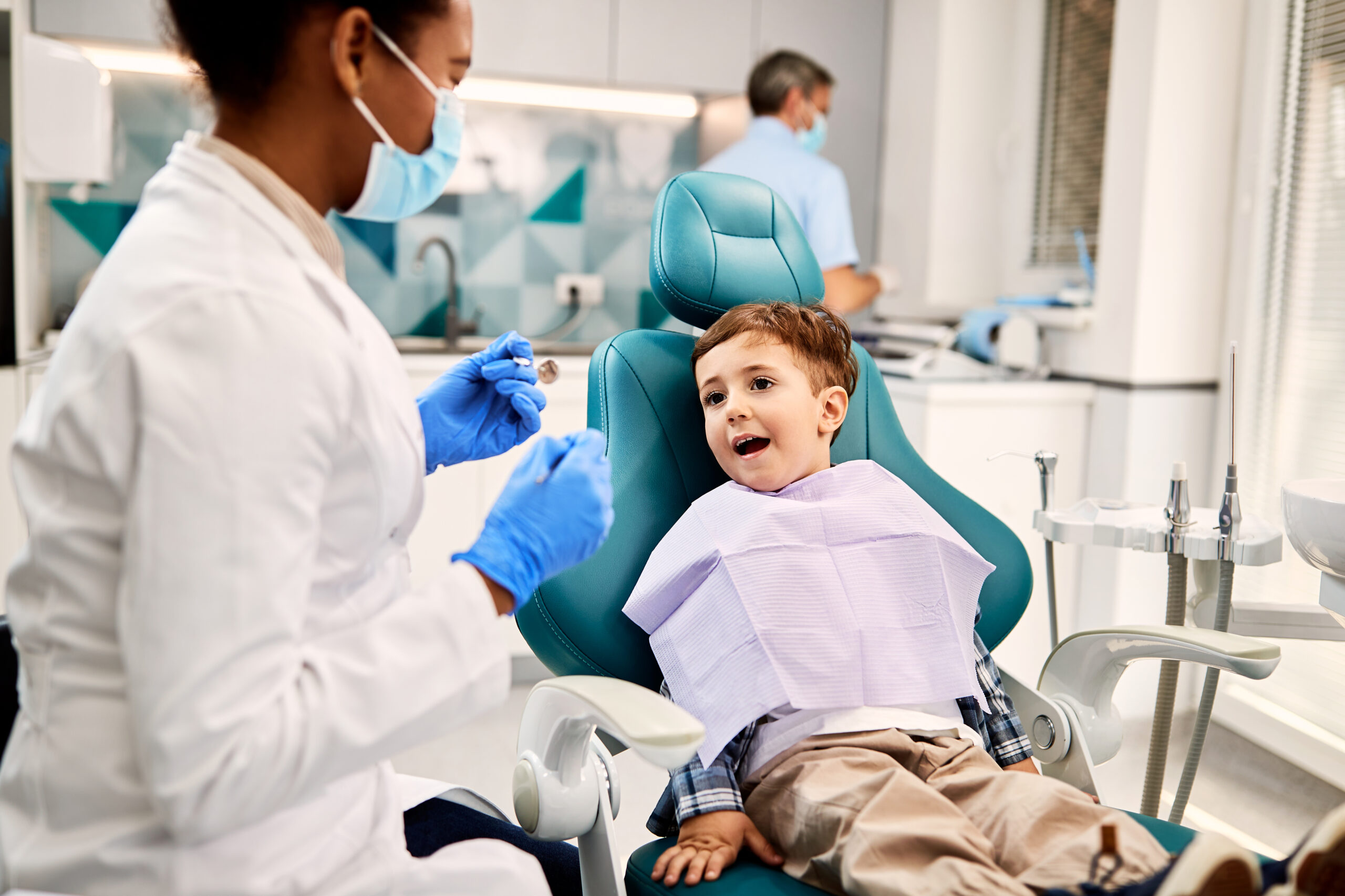
Walking into a dental hygiene clinic for the first time can feel uncomfortable, especially if you worry about pain, judgment, or how long it has been since your last visit. Many people delay care because of these fears, even though modern dental hygiene visits are usually calm, gentle, and focused on comfort.


A dental hygiene visit is usually much easier than expected. What many imagine as uncomfortable is often a calm and gentle experience, which helps people feel more relaxed and ready to take care of their smile.
This article explains what happens during your first dental hygiene visit so you can feel more prepared and at ease.
Role of a Dental Hygiene Clinic in Your Care
A dental hygiene clinic is where everyday oral care turns into real protection for your smile. These visits focus on gentle cleaning and close checks that help spot small issues before they grow into bigger problems. Dental hygienists pay attention to plaque, gum health, and early warning signs that many people do not notice at home, which helps keep your mouth in better shape over time.
During these visits, the hygienist helps by:
- Removing tartar that regular brushing cannot clear
- Checking gum health and signs of irritation
- Pointing out areas where plaque builds up
- Sharing simple tips based on your mouth
This support helps you care for your teeth with more confidence and fewer surprises later on.
What to Do Before Your First Dental Hygiene Visit
A little preparation before your appointment can help the visit go more smoothly and allow the hygienist to focus on what your teeth and gums need most.A few simple steps before you arrive can make a big difference during the visit.
Before you go you should:
- Brush and floss teeth as usual
- Make a short list of any medicines you take
- Note any pain, bleeding, or sensitivity you have noticed
Information the clinic may ask for:
- Your basic medical history
- Smoking habits and diet
- When your last dental visit took place
These small details help the hygienist understand your oral health and provide care that fits your needs.
What Actually Happens During Your First Visit
Many people walk into a dental visit with worries that it may feel painful or awkward. In reality, the visit begins with a simple check in and a short conversation about your concerns, followed by a careful look at your mouth to see what care may be needed.
Here is how the rest of your visit moves from the exam to the final cleaning.
Mouth and Gum Examination
The hygienist takes a close look at your teeth and gums to check for plaque, tartar, and any signs of irritation or bleeding. Areas that look sensitive or worn are also noted so small issues can be addressed before they grow into bigger concerns.
When Dental X Rays Are Helpful
Digital dental X rays are taken when the hygienist needs to see what is happening beneath the surface of the teeth and gums. These images help show hidden decay, bone support around the teeth, and past dental work so your oral health can be checked more completely.
Professional cleaning
Not every visit includes a full cleaning, as this depends on your oral health and your last appointment. When needed, tartar is removed, teeth are polished, and flossing with a final rinse leaves your mouth feeling fresh and clean.
What the Hygienist May Recommend During First Visit
A dental hygiene visit also focuses on keeping your teeth and gums healthy for the future. Along with cleaning, the hygienist may suggest simple protective care and daily habits that help reduce the risk of common dental problems.
Fluoride or protective treatments
Some people may be offered fluoride or other protective care during a hygiene visit. This depends on the condition of their teeth and how likely they are to develop cavities.
- Often suggested for people with frequent decay
- Helpful for weak or sensitive enamel
- Used when dry mouth raises the risk of cavities
- Not needed for every patient
Home care tips
Before you leave, the hygienist usually shares simple advice to help you care for your teeth between visits.
- Brushing and flossing in a way that suits your mouth
- Ways to manage sensitivity or dry mouth
- Tips to support healthy gums
- Small changes that help prevent future problems
These suggestions help you keep the results of your visit for longer and support better oral health at home.
What to Expect After Your Dental Hygiene Visit
After your visit, your mouth may feel cleaner, smoother, and slightly sensitive at the same time. These small changes are a normal part of the care you received and usually settle as your teeth and gums relax.
Here’s what to keep in mind after your appointment.
Mouth Comfort After Your Appointment
Your teeth and gums may feel slightly sensitive or tender for a short time, especially if tartar was removed or your gums were irritated before the visit. This usually settles within a day, and gentle brushing with warm water can help keep you comfortable.
Signs That a Dentist Visit Is Needed
During a hygiene visit, some issues may appear that need a dentist’s attention. This may include signs of cavities, gum problems, or damaged teeth. A referral does not mean something is wrong, only that a closer look or treatment will help protect your oral health.
Regular Timing for Dental Hygiene Visits
Most people are advised to return every six months, though some may need more frequent visits if they have gum issues or heavy plaque buildup. Regular care helps keep problems small and supports healthier teeth and gums over time.
Supporting Your Oral Health with Dental Hygiene
Your smile deserves steady care, not stress or uncertainty. With regular dental hygiene visits and simple daily habits, maintaining healthy teeth and gums becomes easier and more comfortable over time. Taking small steps today can help you feel more confident about your oral health tomorrow.
With regular hygiene visits and simple daily care, you can reduce the risk of cavities and gum problems. Over time, this steady support makes it easier to keep your smile strong, comfortable, and well cared for.
Are you giving your smile the care it needs between dental visits?