Accurate diagnosis and effective treatment of sleep apnea once required long waiting lists and overnight stays in clinical sleep laboratories. Today, home-based sleep testing offers a simpler, more accessible way to identify sleep-related breathing disorders. This modern approach removes many of the barriers that previously prevented people from seeking help, making it easier to take the first step toward better sleep and improved overall health.


Understanding Sleep Apnea and Why Testing Matters
Sleep apnea is a common sleep disorder in which breathing repeatedly stops and starts during sleep. The most prevalent form, obstructive sleep apnea, occurs when throat muscles relax and block the airway. These breathing interruptions can happen dozens or even hundreds of times per night, often without the person being aware of them.
Common symptoms include loud snoring, gasping or choking during sleep, morning headaches, and persistent daytime fatigue. Left untreated, sleep apnea can increase the risk of serious health issues such as high blood pressure, heart disease, stroke, and metabolic disorders. Because symptoms can be subtle or mistaken for general tiredness, proper testing is essential for accurate diagnosis.
What Is a Home Sleep Apnea Test?
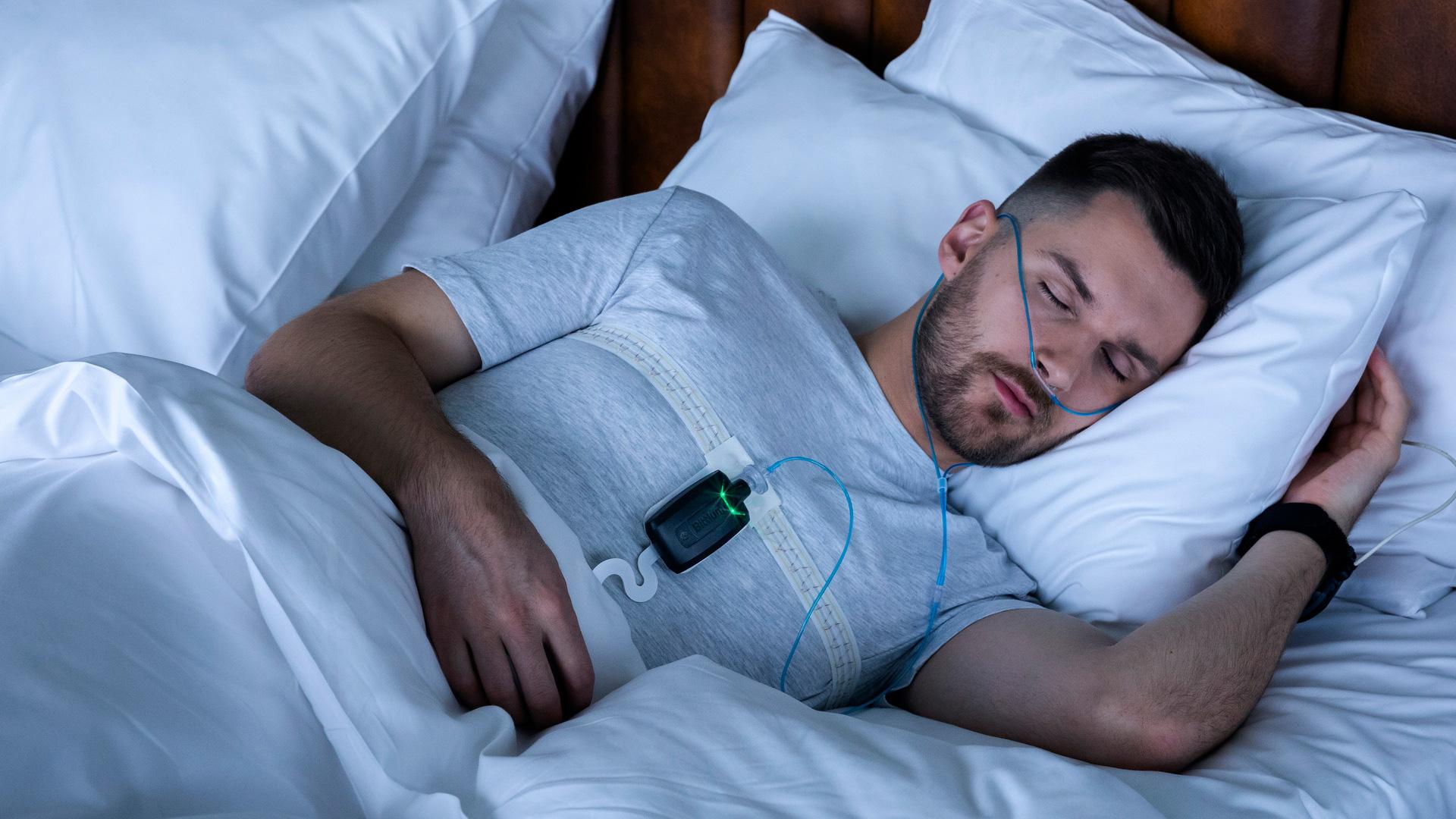
A sleep test at home is a simplified, portable sleep study designed to assess breathing patterns and oxygen levels during sleep. Instead of spending the night in a laboratory with a team of technicians, individuals wear small monitoring sensors in their own home and sleep in a familiar environment. These sensors typically track nasal airflow, respiratory effort, pulse rate, and blood oxygen saturation throughout the night.
Home-based sleep tests are generally intended to screen for obstructive sleep apnea, the most common form of the condition. They do not measure brain waves or sleep stages, meaning they are not designed to diagnose other sleep disorders such as narcolepsy or restless legs syndrome.
Benefits of Home-Based Sleep Testing
Home sleep testing has become increasingly popular due to its many advantages:
- Comfort: Sleeping in one’s own bed often leads to more typical sleep behavior.
- Convenience: No travel, overnight appointments, or time off work are required.
- Accessibility: Testing is easier to schedule and more widely available.
- Cost-effectiveness: Home tests are generally more affordable than in-lab studies.
- Faster results: Data can often be reviewed more quickly, allowing earlier treatment.
These benefits make home sleep testing an appealing option for individuals who suspect sleep apnea but may have delayed testing due to inconvenience or discomfort.
Understanding the Limitations
While home sleep apnea tests are effective for many people, they are not suitable for everyone. They are designed specifically for breathing-related sleep disorders and cannot diagnose conditions such as insomnia, narcolepsy, or movement disorders. Additionally, incorrect sensor placement or movement during sleep can occasionally affect data quality.
Individuals with complex medical conditions, severe respiratory issues, or inconclusive home test results may still require an in-lab sleep study for a more comprehensive evaluation.
From Diagnosis to Treatment
If sleep apnea is identified, treatment options depend on the severity of the condition and individual health factors. The most common treatment is continuous positive airway pressure therapy, which uses gentle air pressure to keep the airway open during sleep. Many people experience immediate improvements in sleep quality and daytime alertness once treatment begins.
Other options may include oral appliances, lifestyle changes such as weight management, or positional therapy. Early diagnosis plays a crucial role in preventing long-term complications and improving quality of life.
Conclusion
Home sleep apnea testing offers a practical, comfortable, and effective way to identify breathing-related sleep disorders. By simplifying the diagnostic process, it encourages more people to address sleep concerns before they develop into serious health problems. While not a replacement for all forms of sleep evaluation, home testing is an important step toward better sleep, better health, and better daily living.