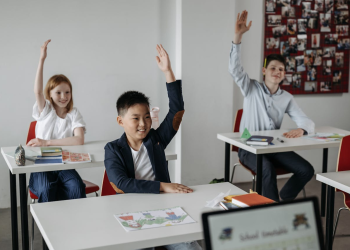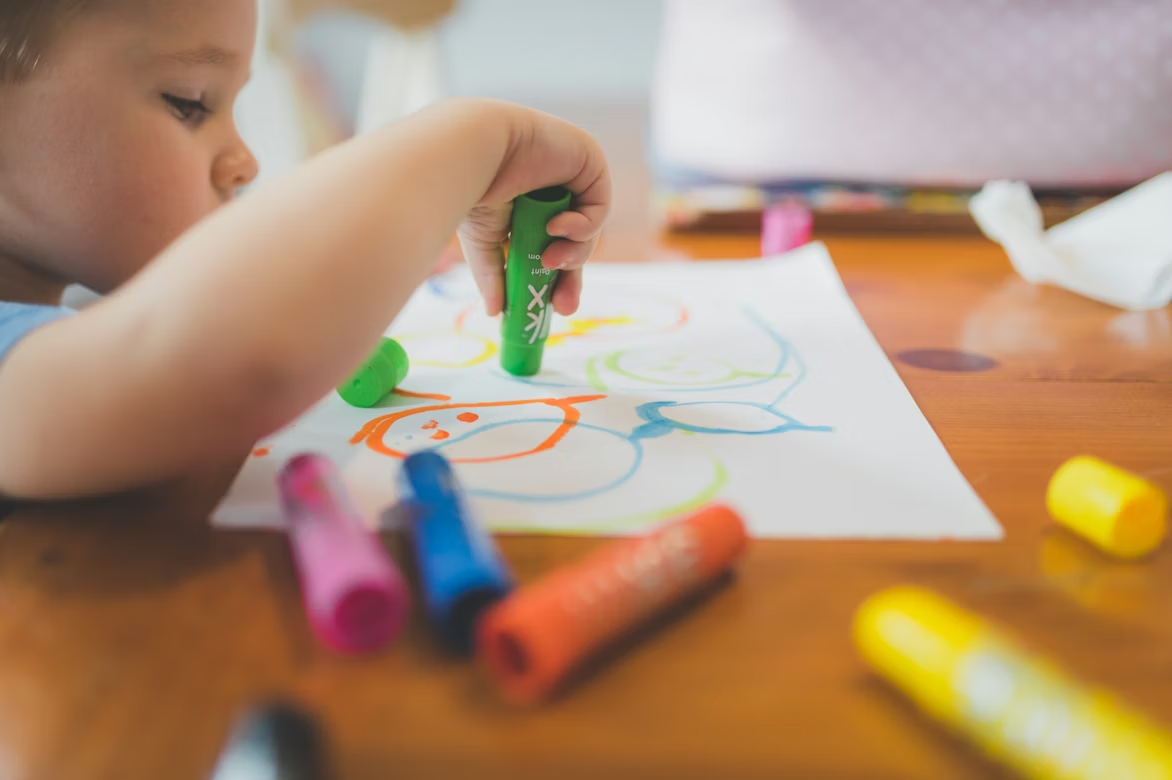
Advanced training sharpens an educator’s ability to notice individual strengths, adapt instruction, and respond with clarity. Diverse classrooms thrive when teachers rely on informed judgment rather than guesswork. Strong preparation gives educators the structure they need to guide learners who bring wide-ranging needs, backgrounds, and goals. Purpose-driven development also builds confidence, improves collaboration with families, and supports long-term progress across learning environments.


1. Understanding the Core Needs of Diverse Learners
Educators strengthen outcomes when they understand how students vary in learning pace, communication style, motivation, and cultural background. Advanced training highlights the value of direct observation and consistent feedback loops. Teachers use these skills to notice patterns that might limit progress or spark growth. Clear communication helps students feel respected and supported. Strong preparation also equips teachers to address academic barriers early, tailor instruction, and respond with steady guidance. This level of awareness encourages students to take risks, ask questions, and trust the learning process, which promotes stable progress across all subjects.
2. Building Specialized Skills for Inclusive Instruction
Educators gain clarity when they dive into structured training that focuses on targeted support strategies. They learn to design lessons that challenge advanced learners while assisting students who need additional guidance. These programs also emphasize the importance of meaningful engagement, accessible materials, and responsive teaching methods. Once educators refine these skills, they create learning environments where every student feels included and understood. This focus on practical methods strengthens consistency and reduces confusion during instruction. Many professionals improve these capabilities through special education graduate programs online, which offer flexible learning paths without sacrificing quality preparation.
3. Strengthening Cultural Competence for Real-Classroom Application
Cultural competence grows when educators study communication patterns, family expectations, and classroom behaviors that differ across communities. These insights help teachers respond with respect instead of assumptions. Training highlights how cultural awareness strengthens trust and improves collaboration. Educators use this understanding to frame lessons, encourage discussion, and avoid misunderstandings. Strong cultural competence also helps teachers support students who navigate language barriers or shifting identities. When educators make space for every voice, students feel valued and confident. This approach lifts academic performance, builds classroom unity, and empowers learners to share experiences that enrich collective understanding.
4. Improving Differentiation Skills for Varied Learning Profiles
Advanced training gives educators direct, practical methods to adjust content, pacing, and assessment styles. Teachers learn to match tasks with student readiness levels while keeping expectations high. Differentiation thrives when educators use flexible grouping, scaffolded tasks, and clear goals. Students gain steady momentum because instruction suits their strengths and challenges. This approach prevents frustration, increases engagement, and supports mastery. Thoughtful differentiation also helps teachers recognize when a student needs enrichment, intervention, or an alternative explanation. Strong preparation keeps teachers organized and responsive, allowing them to manage mixed-ability classrooms with confidence and steady direction.
5. Enhancing Communication Strategies for Clear Guidance
Strong communication empowers teachers to reach students who process information differently. Advanced training helps educators deliver instructions with clarity, use visual aids effectively, and guide discussions with purpose. Students engage more when messages feel straightforward and supportive. Educators also learn how tone, pacing, and word choice shape understanding. This awareness strengthens relationships and deepens trust. When communication improves, students feel safe expressing confusion or asking for help. Parents notice the difference as well, which strengthens home–school collaboration. Skilled communicators create classrooms where guidance feels accessible, consistent, and encouraging, which raises overall learning outcomes.
6. Applying Data-Driven Decision-Making in Diverse Classrooms
Training helps educators analyze student work, assessments, and behavioral cues to make accurate decisions. Data-driven instruction ensures that teachers rely on clear evidence rather than assumptions. Educators use this information to adjust lessons, target interventions, and monitor growth. Students benefit because support aligns with their actual needs. Data analysis also helps teachers evaluate teaching strategies and refine them with purpose. This approach saves time, reduces repeated errors, and improves outcomes for all learners. When educators build strong data literacy skills, they strengthen accountability and create learning environments that stay focused, organized, and responsive.
7. Supporting Social-Emotional Development Through Informed Practices
Advanced training gives educators tools to guide emotional regulation, conflict resolution, and self-advocacy. Students who feel understood develop stronger resilience and motivation. Teachers gain confidence when they can recognize emotional triggers and respond with steady, compassionate structure. Social-emotional guidance strengthens classroom relationships and reduces disruptive behavior. Educators also learn to integrate reflective routines that help students process challenges and celebrate progress. When teachers shape environments that balance academic rigor with emotional support, learners approach challenges with confidence. These strategies build long-term stability and lead to healthier classroom communities that encourage continuous growth.
8. Using Technology Thoughtfully to Support Individual Needs
Training helps educators select tools that match learning goals rather than distract from them. Technology enhances instruction when used with intention. Adaptive platforms help students practice skills at a suitable pace, while multimedia resources reinforce complex concepts with clarity. Educators learn to monitor digital engagement, maintain structure, and ensure equity in access. Students benefit from interactive learning that holds attention and supports comprehension. Strong preparation also teaches educators how to troubleshoot challenges, protect student privacy, and maintain healthy boundaries. Purposeful technology use strengthens instruction and allows diverse learners to stay motivated and organized.
9. Strengthening Collaboration with Families and Support Teams
Educators produce stronger outcomes when collaboration feels open, steady, and respectful. Advanced training shows teachers how to share updates clearly, listen to concerns, and build unified plans with families and specialists. These partnerships support continuity between home and school. Students gain confidence because everyone works toward shared goals. Educators also learn how to coordinate with counselors, speech therapists, and interventionists to create aligned strategies. This teamwork prevents confusion and reduces duplicated efforts. When teachers communicate with clarity and purpose, families feel valued, and students enjoy a consistent support system that improves stability and progress.
Advanced training helps educators guide diverse learners with clarity, confidence, and purpose. Students thrive when teachers use informed strategies that support academic, cultural, and emotional needs. Strong preparation sharpens judgment, encourages meaningful collaboration, and improves instruction that reaches every learner. These skills help teachers maintain a consistent structure while adapting to individual differences. Educators who invest in advanced training strengthen long-term outcomes for students and contribute to supportive school communities. Continuous growth keeps instruction relevant and reliable, which leads to classrooms that stay organized, welcoming, and effective for all learners.