Minimalism isn’t about living with nothing. It’s about living with less, but better. Fewer decisions. Fewer distractions. More room to breathe—mentally and physically. And once you start seeing your home as a reflection of your priorities, every object has to earn its place.


That’s why fitness is such an interesting crossroads for the minimalist lifestyle. On one hand, movement is non-negotiable. On the other, traditional workout gear has a way of quietly taking over your space. A dumbbell here. A resistance band there. A treadmill that becomes a very expensive coat rack.
At some point, you realize the problem isn’t motivation. It’s clutter.
This is where a single, smart fitness device can feel less like a purchase and more like a lifestyle upgrade.
Minimalism Is About Decision Fatigue, Not Just Aesthetics
Most people think minimalism is about clean lines and neutral colors. That’s part of it, sure. But the real magic happens when you reduce the number of daily decisions you have to make.
What workout should I do today?
Do I need more equipment?
Should I go to the gym or stay home?
Those questions add friction. And friction is usually what stops good intentions in their tracks.
When your workout setup is streamlined into one efficient system, the decision-making shrinks. You’re not negotiating with yourself. You’re just moving. That kind of simplicity aligns perfectly with a minimalist lifestyle—less mental clutter, more follow-through.
Space Optimization Is a Quiet Form of Self-Respect
Space is emotional. Anyone who’s ever tried to work out in a cramped living room knows this. When your environment feels crowded, your body feels restricted too.
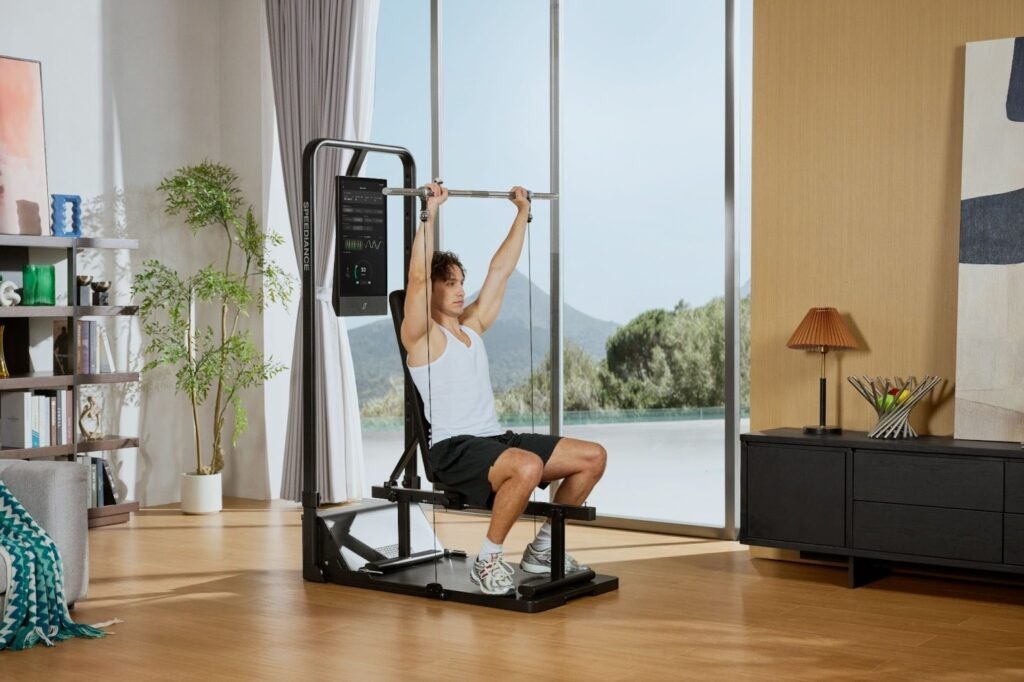
A versatile, space-saving fitness device changes that dynamic. Instead of dedicating an entire room—or worse, half a bedroom—to scattered equipment, you reclaim square footage. The room can still be a room. Not a gym pretending to be a home.
This kind of space optimization doesn’t just look better. It feels better. You’re not constantly rearranging furniture or stepping over gear. Your home stays calm, intentional, and functional. And that calm carries into the rest of your day.
Why One Quality Investment Beats Five “Good Enough” Ones
Minimalists tend to value quality investment over impulse buys. It’s the “buy it once, buy it right” mindset. And fitness gear is a perfect example of where this approach pays off.
Instead of accumulating multiple tools that each do one thing okay, one smart device can handle strength training, mobility, cardio, and recovery in a single footprint. Fewer items. Fewer regrets.
It’s also easier to maintain. One device to clean. One system to learn. One piece of tech that actually evolves with you as your fitness improves.
Over time, this kind of investment feels lighter than constantly upgrading or replacing cheaper alternatives. And that’s the goal—owning things that support your life, not demand attention from it.
Efficient Workouts for People Who Value Their Time
Minimalism often goes hand in hand with intentional living. You care how you spend your time because you’ve already decided what matters.
That’s where efficient workouts come in.
A smart fitness device removes setup friction. You’re not loading plates, switching machines, or waiting for equipment to free up. You step in, select a program, and start moving. That efficiency adds up, especially on days when energy is low but consistency still matters.
Short workouts suddenly feel worthwhile again. Twenty focused minutes beats an hour of half-hearted effort. And because the experience is smoother, you’re more likely to come back tomorrow.
Efficiency isn’t about doing less. It’s about doing what works.
The Unexpected Mental Shift of a Clutter-Free Workout Space
There’s a subtle psychological shift that happens when your workout space is clean and intentional.
You stop associating exercise with chaos.
You stop feeling like it’s “extra.”
It becomes part of your lifestyle instead of a separate chore.
When everything you need is built into one system, working out feels less like preparing for battle and more like brushing your teeth. Just something you do. No drama.
That consistency compounds. You move more. You recover better. You feel stronger—not just physically, but mentally. And that’s the kind of benefit minimalism is really about.
Technology That Simplifies Instead of Overwhelms
Not all tech fits into a minimalist home. A lot of it adds noise—notifications, cables, updates you didn’t ask for.
The right smart fitness device does the opposite. It simplifies. It guides. It adapts without demanding constant input.
Instead of scrolling endlessly for workout ideas or guessing how much resistance you should use, the system adjusts for you. It meets you where you are and grows with you. That’s technology working for your lifestyle, not against it.
And when the tech fades into the background, you’re left with what actually matters: movement, focus, and progress.
A Lifestyle Upgrade, Not a Fitness Phase
Most fitness purchases are tied to motivation spikes. New year, new gear. Two months later, it’s collecting dust.
A true lifestyle upgrade feels different. It integrates. It supports routines instead of relying on willpower.
When one smart device fits seamlessly into your home—visually and functionally—it stops feeling like a temporary solution. It becomes part of how you live. Like a good chair. Or a reliable coffee setup. Something you use because it makes life better, not because you feel guilty if you don’t.
That’s the difference between chasing results and building habits.
Living With Less, Moving More
Minimalism doesn’t mean doing less with your body. If anything, it encourages more movement because there are fewer barriers in the way.
When your space is optimized, your equipment is intentional, and your workouts are efficient, exercise stops competing with the rest of your life. It supports it.
You don’t need a room full of gear to feel strong. You don’t need complexity to see progress. Sometimes, one well-designed device is enough to transform not just your workouts—but your relationship with your space.
And in a world that constantly pushes more, choosing less—but better—might be the most powerful upgrade of all.