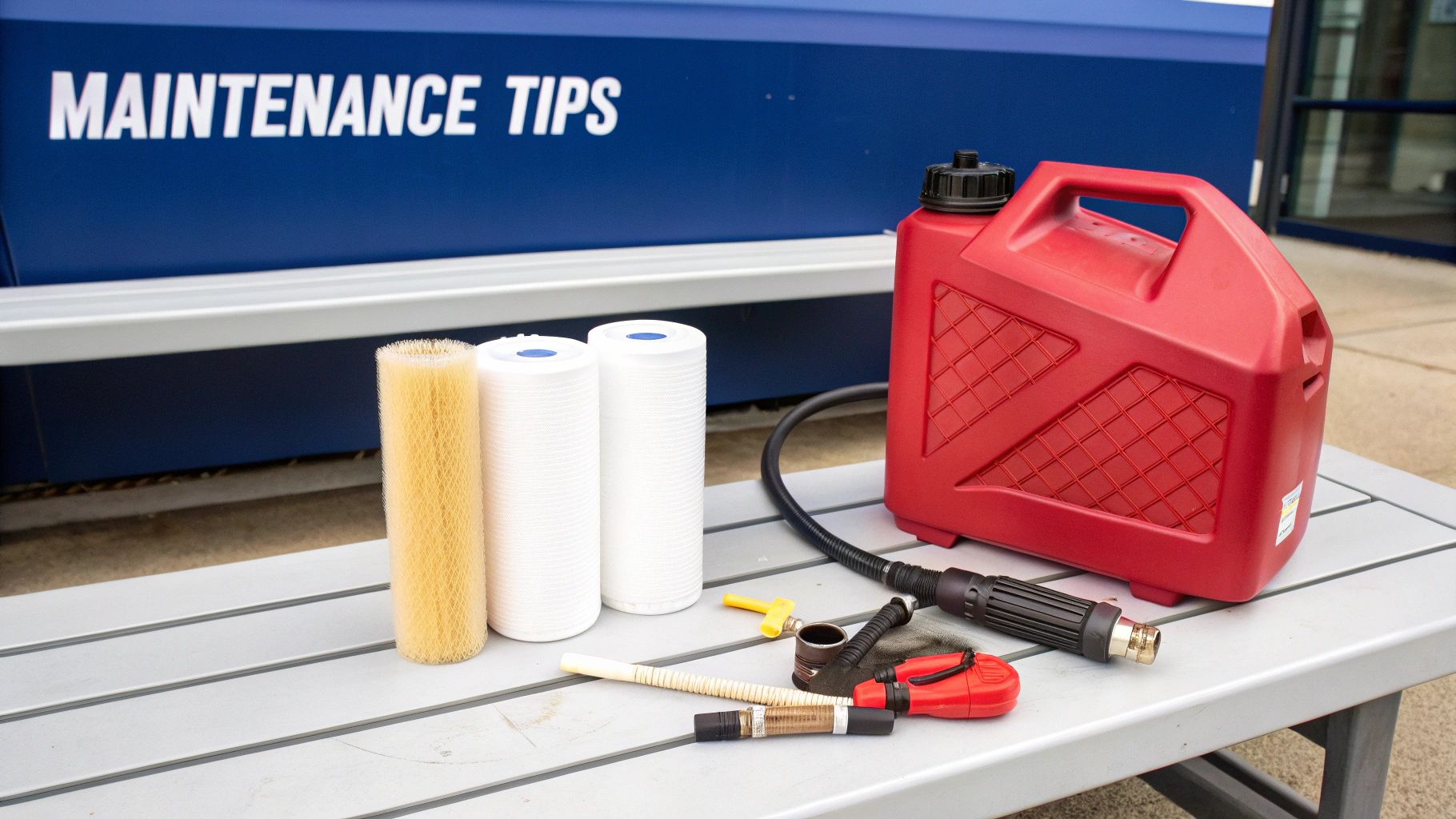
A portable petrol fuel tank with pump serves practical purposes for rural properties, marine use, and remote worksites where access to fuel stations is limited or inconvenient. These units typically range from 20 to 200 liters capacity and include integrated electric or manual pumps for transferring fuel. While they offer genuine utility, they also introduce fire and health risks that require careful handling and storage. The Australian Competition and Consumer Commission reports that improper fuel storage contributes to dozens of serious injuries annually, with many incidents involving portable tanks. Understanding both the legitimate applications and the safety protocols can help you use these tanks effectively without creating hazards for yourself or others.


Common Use Cases for Portable Fuel Tanks
On rural properties, portable fuel tanks eliminate frequent trips to town for refueling farm equipment, generators, or utility vehicles. If your nearest fuel station is 40 kilometers away, making that round trip every time you need to refuel a tractor or lawnmower becomes impractical quickly. A portable tank lets you bulk-purchase fuel less frequently.
Boat owners use portable tanks to refuel at slipways or private docks rather than maneuvering to marina fuel docks, which can be crowded or expensive. The built-in pump transfers fuel directly into the boat’s tank through a standard fuel hose, similar to station pumps but at much lower flow rates.
Construction and landscaping contractors sometimes use portable tanks to refuel equipment at job sites without leaving to find fuel stations. This saves time on multi-day projects where equipment runs continuously. However, many worksites have regulations about on-site fuel storage that you need to check before bringing tanks onto the property.
Types of Pumps and Transfer Rates
Manual pumps use a hand crank or lever mechanism to create suction and push fuel through the hose. These are simple, require no power source, but transfer fuel slowly, usually 10 to 15 liters per minute. Your arm gets tired if you’re transferring 80 liters.
Electric pumps run on 12V power from vehicle batteries or built-in rechargeable batteries. They transfer fuel faster, typically 20 to 40 liters per minute, making large refueling jobs much quicker. The pumps usually include automatic shut-off features, though I’d never completely trust them. Always watch the fuel level in the receiving tank.
Some higher-end portable tanks include flow meters that display the volume transferred, helping you track fuel usage and detect leaks if the numbers don’t match up over time.
Fire Safety and Ventilation Requirements
Petrol vapors are heavier than air and extremely flammable. They accumulate in low spots, creating explosion risks if ignited by static electricity, sparks, or heat sources. Portable fuel tanks must be stored in well-ventilated areas, preferably outdoors or in separate storage sheds away from buildings where people live or work.
Never store portable fuel tanks in enclosed spaces like vehicle trunks, especially not for extended periods. Temperature fluctuations cause fuel to expand and contract, potentially building pressure inside the tank. I’ve heard of tanks venting fuel vapors inside vehicles, creating serious fire risks and health hazards from vapor inhalation.
When refueling equipment, do it outdoors or in open areas with good air circulation. Fuel vapors can cause dizziness, headaches, or nausea with prolonged exposure. If you start feeling lightheaded while refueling, step away immediately and get fresh air.
Legal Storage Limits and Regulations
Australian states have varying regulations about how much fuel you can legally store on residential properties. In most jurisdictions, you’re limited to storing 200 to 250 liters of petrol in approved containers without special permits. Diesel usually has higher limits because it’s less volatile.
Portable fuel tanks need to be approved containers meeting Australian Standards AS 2906 for fuel storage. These standards specify construction materials, venting requirements, and labeling. Using non-approved containers can void insurance coverage if a fire occurs, plus you’re violating regulations that carry fines.
Check with your local council about specific storage requirements. Some areas require fuel storage to be a certain distance from property boundaries, buildings, or ignition sources like hot water systems.
Maintenance and Inspection
Fuel degrades over time, especially petrol containing ethanol. If you’re storing fuel for longer than three months, consider adding a fuel stabilizer to prevent degradation. Old fuel can damage small engines and reduce performance.
Inspect tanks regularly for cracks, rust, or damage. Pay special attention to the pump seals and hoses, which can deteriorate from fuel exposure. Replace any components showing wear before they fail during use. A leaking hose during refueling creates both fire hazards and environmental contamination.