Weather plays a constant and powerful role in determining how well a roof performs over time. From daily exposure to sunlight and wind to extreme events such as storms and temperature swings, roofing materials are constantly responding to environmental pressures. While roofs are designed to provide protection, their durability and effectiveness depend heavily on how they interact with local weather conditions. Understanding these interactions helps property owners recognize why certain roofing materials age faster, require maintenance, or fail prematurely. By examining how different weather patterns influence roofing performance, it becomes easier to appreciate the importance of proper material selection, installation timing, and long-term care.


Key Weather Influences on Roofing Systems
- Heat, Sunlight, and Thermal Expansion
Prolonged exposure to heat and sunlight is one of the most influential factors affecting roofing materials. Ultraviolet rays gradually break down surface layers, causing materials like asphalt shingles to dry out, lose flexibility, and become brittle over time. As temperatures rise during the day and drop at night, roofing materials expand and contract repeatedly. This thermal movement places stress on fasteners, seams, and joints, which can eventually lead to cracking or loosening. In regions with intense summer heat, these cycles accelerate material aging and reduce overall roof lifespan. Proper ventilation can help moderate surface temperatures, but consistent sun exposure remains a defining factor in how roofing materials perform under long-term heat stress.
- Cold Temperatures and Seasonal Freezing
Cold weather introduces distinct challenges for roofing systems, particularly in climates with frequent freeze-thaw cycles. When moisture seeps into small gaps or under roofing layers and then freezes, it expands, increasing pressure within the material. This process can widen cracks, lift shingles, and compromise the integrity of the underlayment. Snow accumulation adds weight to the roof structure, while ice dams prevent proper drainage, forcing water back under roofing materials. In areas where cold conditions dominate, homeowners often decide to schedule new roof installation with AAA Midwest Roofing after repeated seasonal stress highlights weaknesses in aging materials. Cold-weather performance depends heavily on proper installation and material resilience.
- Wind Exposure and Uplift Stress
Wind is another weather element that significantly affects roofing performance, even in the absence of storms. Constant wind exposure creates uplift pressure that tests the security of roofing materials. Over time, this stress can loosen shingles, damage flashing, and expose vulnerable areas of the roof. During high-wind events, poorly secured materials may be torn away entirely, leaving the structure exposed to water intrusion. Roofs in open or elevated locations experience greater wind forces, making secure fastening and proper edge detailing essential. Wind-related wear may not be immediately visible, but gradual loosening often becomes evident during routine inspections.
- Rainfall, Moisture, and Drainage Performance
Rain is a persistent factor that roofing systems must manage effectively to prevent damage. When water is not directed away efficiently, it can pool on flat or low-slope roofs or seep beneath shingles on sloped designs. Persistent moisture exposure weakens materials, encourages rot in structural components, and accelerates surface deterioration. Proper drainage systems, including gutters and downspouts, play a critical role in protecting roofing materials from prolonged water contact. In regions with heavy rainfall, roofs must withstand frequent wet-dry cycles, which can degrade seals and underlayment over time. Moisture management remains one of the most important aspects of roofing performance.
- Storm Events and Sudden Impact
Severe weather events such as hailstorms, heavy snowfalls, and intense rainstorms place immediate stress on roofing systems. Hail can bruise or fracture shingles, reducing their protective ability even if damage is not immediately visible. Heavy snow adds structural load, while wind-driven rain can penetrate areas normally protected under calm conditions. These sudden events test the roof’s ability to absorb impact and resist penetration. While a roof may appear intact after a storm, underlying damage can reduce its effectiveness and shorten its service life. Post-storm evaluations are important for identifying subtle issues caused by extreme weather.
- Climate Patterns and Material Longevity
Long-term climate patterns shape how roofing materials age and perform. Regions with high humidity experience different challenges than dry climates, as constant moisture exposure affects material stability. Coastal areas are exposed to salt air, which accelerates corrosion of metal components and fasteners. Desert climates, while dry, subject roofs to extreme temperature fluctuations and intense sunlight. Each climate imposes unique demands on roofing systems, influencing which materials are more suitable and how often maintenance is required. Understanding regional climate effects helps explain why roofing performance varies significantly from one location to another.
- Short-Term Weather and Installation Timing
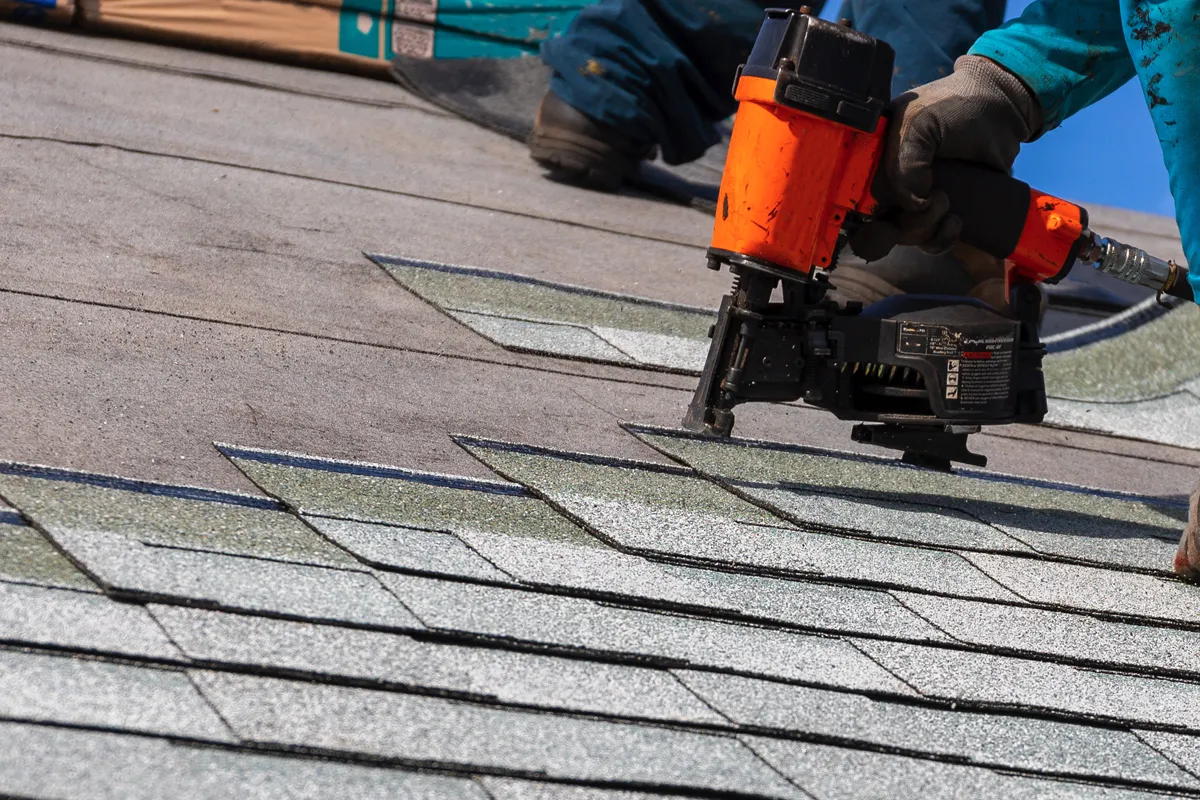
Weather conditions also influence roofing performance during installation, not just after completion. Temperature affects how materials seal and adhere, while moisture can interfere with proper fastening and underlayment placement. This paragraph highlights how short-term weather during installation can influence long-term roof performance by affecting material bonding, alignment, and overall system integrity when conditions are less than ideal.
Weather conditions have a continuous and multifaceted impact on roofing materials and overall performance. Heat, cold, wind, moisture, and extreme events each contribute to how a roof ages and how well it protects a structure. Long-term climate patterns further influence material durability and maintenance needs, while short-term weather can affect installation quality. Recognizing these influences helps property owners understand why roofs require care, inspection, and occasional replacement. By considering how weather affects roofing systems, it becomes easier to plan maintenance, select appropriate materials, and ensure reliable roof performance over time.