Patients exploring tooth replacement often ask one core question How long do dental implants last. Dental implants are known for strength, comfort, and natural appearance, yet their lifespan depends on biological habits and long-term care. For patients seeking support after implantation, Dental Implant Aftercare Services offer guidance on proper care to maximize the longevity of their implants. This comprehensive guide explains dental implant lifespan in detail while sharing maintenance tips and care practices that support long-lasting results.


Understanding Dental Implants and Their Structure
Dental implants replace missing teeth by placing an artificial root into the jawbone. Titanium or zirconia materials integrate with bone through a biological process called osseointegration. This bond allows implants to function like natural teeth during chewing and speaking.
Unlike removable solutions, implants sit securely within the bone. Bone stimulation from everyday use helps maintain jaw structure and prevents bone shrinkage that often follows tooth loss.
Main Components of a Dental Implant
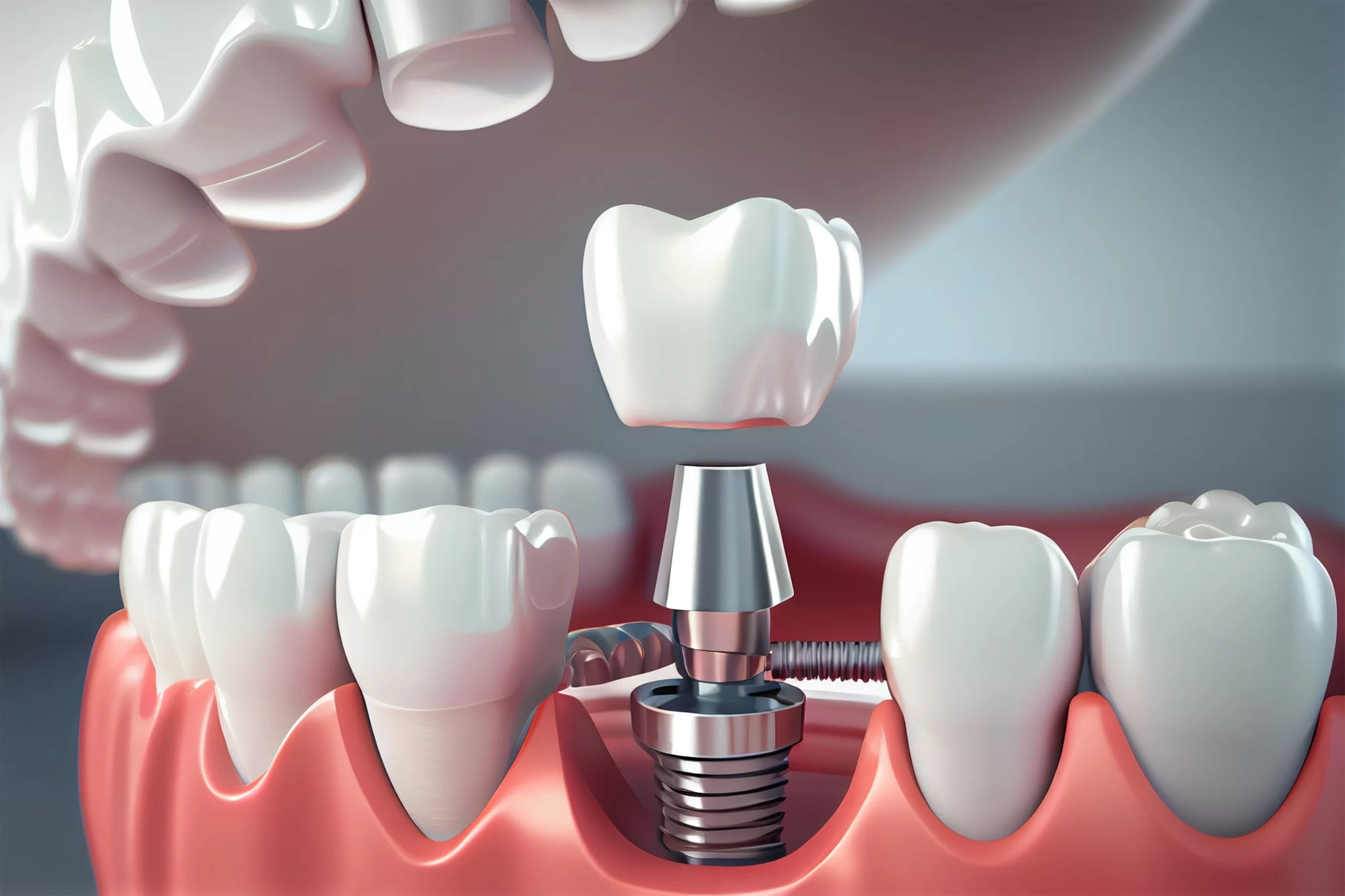
A complete implant system includes three parts.
The implant post acts as the artificial root.
The abutment connects the post to the visible tooth.
The crown restores appearance and function.
Each part has a different lifespan, which explains why implants are often described as long-term solutions rather than permanent appliances.
Average Lifespan of Dental Implants
Dental implant lifespan varies by component and patient care.
Implant posts placed in healthy bone can last several decades and often remain functional for life. Abutments usually last many years, though replacement may be needed if wear or loosening occurs. Crowns experience the most pressure and typically last ten to fifteen years before replacement becomes necessary.
Long-term studies show dental implant success rates above ninety percent after ten years. Many patients continue using the same implant well beyond twenty years with proper care and routine dental visits.
How Dental Implants Compare to Other Tooth Replacement Options
Traditional bridges rely on neighboring teeth for support, which can weaken those teeth over time. Dentures rest on gums and bone, leading to gradual bone loss and frequent adjustments.
Dental implants stand apart because they integrate directly with the jawbone. This direct support improves stability, comfort, and chewing efficiency. Longevity also exceeds that of bridges and dentures, making implants a preferred option for lasting tooth replacement.
Factors That Affect Dental Implant Longevity
Oral Hygiene and Daily Care
Plaque accumulation around implants can inflame the surrounding tissue. This condition, known as peri-implant disease, may cause bone loss if untreated. Consistent brushing and cleaning between teeth protects both gums and bone support.
Smoking and Tobacco Use
Nicotine restricts blood flow to gum tissue and interferes with healing. Research shows higher implant failure rates among smokers compared to non-smokers. Reducing or stopping tobacco use supports long-term implant health.
Jawbone Density and Bone Health
Strong bone allows proper osseointegration. Patients with bone loss may require bone grafting before implant placement. Adequate bone volume supports stability and reduces long-term complications.
General Health Conditions
Chronic conditions such as poorly controlled diabetes may slow healing and raise infection risk. Coordinated care between dental and medical providers improves implant outcomes.
Teeth Grinding and Bite Forces
Bruxism places excessive pressure on implants and crowns. Night guards help protect implant components and reduce wear during sleep.
Experience of the Dental Provider
Accurate placement plays a major role in success. Proper positioning reduces stress on bone and surrounding tissue. Advanced imaging and careful planning support long-term function. White Lily Medical Center UAE offers professional dental expertise, ensuring optimal implant placement and ongoing support.
Maintenance Tips for Long-Lasting Dental Implants
Proper maintenance supports implant health just like natural teeth.
Brush twice daily using an oft-bristle toothbrush. Clean between teeth with floss or interdental brushes designed for implants. Use non-abrasive toothpaste to protect crown surfaces. Avoid chewing ice, hard candy, or other extremely hard foods.
Consistent routines reduce the risk of infection and mechanical damage.
Professional Dental Care
Routine dental visits allow early detection of issues. Professional cleanings remove hardened plaque that home care cannot reach. Dental exams monitor gum health and implant stability. Imaging may be used periodically to check bone levels around the implant, which is why choosing a trusted dental clinic in karama ensures consistent monitoring and long-term implant success.
Regular follow-up significantly improves implant lifespan and overall oral health.
Signs That an Implant Needs Attention
Changes around an implant should not be ignored. Pain, swelling, bleeding, or movement may signal infection or mechanical problems. Unpleasant taste or discharge near the implant site also requires evaluation.
Early treatment often prevents implant failure and protects surrounding bone.
Common Myths About Dental Implant Lifespan
Some believe dental implants never need maintenance. While implant posts may last a lifetime, crowns experience wear and may need replacement. Long-term success depends on care habits, professional monitoring, and overall health rather than the implant alone.
Another misconception involves age limits. Older adults can enjoy excellent implant success when bone health and hygiene are maintained.
Are Dental Implants Worth the Long-Term Investment
Dental implants require commitment to oral care, yet they offer significant benefits. Improved chewing comfort, natural appearance, and bone preservation contribute to quality of life. Compared to repeated denture or bridge replacement, implants often provide better long-term value.
Patients who follow care instructions and attend regular checkups often enjoy decades of reliable function.
Final Thoughts on Dental Implant Longevity
Dental implant lifespan depends on placement quality, daily care, and overall health. Implant posts often last for life, while crowns may require periodic replacement. Good hygiene, healthy habits, and routine dental visits support long-term success.
This guide answers how long dental implants last while outlining clear maintenance tips and care practices. With informed decisions and consistent care, dental implants remain one of the most durable and trusted solutions for tooth replacement.