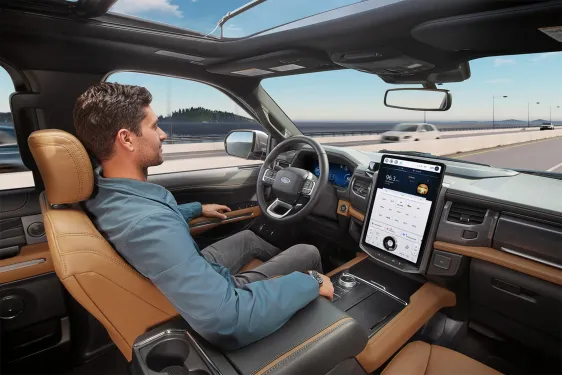
Modern vehicles are increasingly equipped with technologies designed to enhance safety, convenience, and overall driving experience. Advanced driver-assistance systems (ADAS) have become a key feature in new Ford SUVs, providing drivers with tools to prevent accidents, maintain control, and reduce fatigue. These systems include features such as adaptive cruise control, lane-keeping assist, blind-spot monitoring, automatic emergency braking, and more. For buyers exploring options, a new Ford trucks & SUV’s for sale inventory allows access to the latest Ford models equipped with advanced safety and driver-assistance technologies. This guide provides an in-depth look at the ADAS features available in Ford SUVs, their benefits, how they work, and why they are essential for modern driving.


Understanding Advanced Driver-Assistance Systems
Advanced driver-assistance systems are technologies designed to support the driver and enhance vehicle safety. ADAS utilizes cameras, radar sensors, and ultrasonic devices to monitor surroundings and provide warnings, corrections, or assistance in specific driving scenarios. While these systems do not replace the driver, they reduce human error, improve reaction times, and enhance overall safety. Ford has integrated ADAS into many of its SUVs, including the Explorer, Edge, Escape, and Bronco Sport, offering a combination of convenience, safety, and confidence for drivers of all experience levels.
Adaptive Cruise Control
Adaptive cruise control (ACC) is a feature that maintains a set speed while automatically adjusting to the distance of the vehicle ahead. Using radar sensors, ACC reduces the need for manual acceleration and braking during highway driving, minimizing fatigue on long trips. Many Ford SUVs also offer stop-and-go functionality, which is especially useful in traffic congestion, as the system can bring the vehicle to a complete stop and resume driving when traffic moves. ACC enhances comfort and safety, particularly for drivers who frequently commute or travel on highways.
Lane-Keeping and Lane-Centering Assist
Lane-keeping assist uses cameras to detect lane markings and gently corrects steering if the vehicle drifts unintentionally. Lane-centering assist takes this further by actively helping the driver maintain a centered position within the lane. These features are valuable on highways and multi-lane roads, reducing the risk of unintentional lane departure accidents. In combination with lane departure warnings, drivers receive both visual and tactile alerts, ensuring they remain attentive and in control.
Blind-Spot Monitoring and Rear Cross-Traffic Alert
Blind-spot monitoring alerts drivers to vehicles in adjacent lanes that may not be visible in mirrors, typically using lights on the side mirrors or audio cues. Rear cross-traffic alert detects vehicles approaching from the side when reversing, which is particularly helpful in crowded parking lots or narrow driveways. These systems reduce the likelihood of collisions during lane changes or backing maneuvers and improve situational awareness for drivers navigating busy roads or tight spaces.
Automatic Emergency Braking
Automatic emergency braking (AEB) helps prevent or mitigate collisions by applying the brakes when a potential obstacle is detected. Using radar and camera sensors, AEB can identify pedestrians, vehicles, and other obstacles, warning the driver and engaging brakes if necessary. This system is particularly effective in urban environments or situations where sudden braking is required, reducing the severity of accidents and enhancing overall safety.
Traffic Sign Recognition and Intelligent Speed Assist
Traffic sign recognition systems detect posted speed limits, stop signs, and other critical road signs using camera sensors. Intelligent speed assist works in conjunction with this system, alerting the driver to speed limit changes and, in some cases, automatically adjusting vehicle speed. These features promote compliance with traffic laws, reduce speeding-related risks, and increase awareness of changing road conditions.
Parking Assistance Systems
Modern Ford SUVs offer parking assistance features such as park assist, 360-degree cameras, and rearview cameras. Park assist helps guide the vehicle into parallel or perpendicular parking spaces, providing steering guidance while the driver controls acceleration and braking. Surround-view cameras and rearview cameras offer real-time visual feedback, minimizing blind spots and reducing the risk of collisions with obstacles, pedestrians, or other vehicles. These systems enhance confidence during parking in urban or congested environments.
Driver Attention Monitoring
Driver attention monitoring systems track steering input, vehicle positioning, and driving patterns to detect signs of drowsiness or distraction. Alerts are provided through audible or visual warnings, encouraging drivers to take breaks when fatigue is detected. This feature enhances safety by preventing accidents caused by inattentiveness or prolonged driving, particularly on long trips or monotonous routes.
Integration with Infotainment and Connectivity
Many ADAS features are integrated into the vehicle’s infotainment system, allowing drivers to customize settings and monitor system status. Ford SUVs offer touchscreen displays and digital instrument clusters that provide real-time feedback on lane position, following distance, blind-spot alerts, and other critical information. Integration with smartphone apps and connectivity features enhances convenience and allows for over-the-air updates, ensuring the systems remain current with the latest improvements.
Benefits of ADAS in Ford SUVs
Advanced driver-assistance systems provide multiple benefits for drivers, including:
- Increased Safety: Reducing human error and providing alerts or automated corrections lowers the risk of accidents.
- Reduced Fatigue: Features such as adaptive cruise control and lane-centering assist decrease the physical and mental effort required during long drives.
- Improved Awareness: Blind-spot monitoring, cross-traffic alerts, and parking assistance enhance situational awareness.
- Enhanced Confidence: Drivers feel more secure in challenging conditions, such as heavy traffic, night driving, or adverse weather.
- Support for New Drivers: ADAS provides an added layer of guidance for inexperienced drivers, helping them navigate complex driving scenarios safely.
Choosing the Right Ford SUV with ADAS
Selecting a Ford SUV with the right mix of ADAS features depends on personal driving needs, lifestyle, and budget. Full-size SUVs like the Explorer offer a comprehensive suite of safety technologies ideal for families and long trips. Compact models like the Escape or Bronco Sport provide essential driver-assistance systems with improved maneuverability and urban usability. Visiting a dealership allows potential buyers to experience these features firsthand, test driving vehicles to understand how ADAS enhances control, comfort, and confidence on the road.
Conclusion
Advanced driver-assistance systems in new Ford SUVs play a crucial role in enhancing safety, convenience, and driving comfort. Features such as adaptive cruise control, lane-keeping assist, blind-spot monitoring, automatic emergency braking, traffic sign recognition, parking assistance, and driver attention monitoring collectively reduce the risk of accidents, support driver awareness, and improve overall driving confidence.