Key Takeaways
- Home EV chargers are becoming a standard feature in modern residences, enhancing property value and appeal.
- Integrating EV chargers with renewable energy sources like solar panels promotes sustainable living and energy independence.
- Advancements in innovative charging technology and bidirectional charging are revolutionizing home energy management.
- Government incentives and evolving regulations are accelerating the adoption of home EV charging infrastructure.
The Rise of Home EV Charging Infrastructure
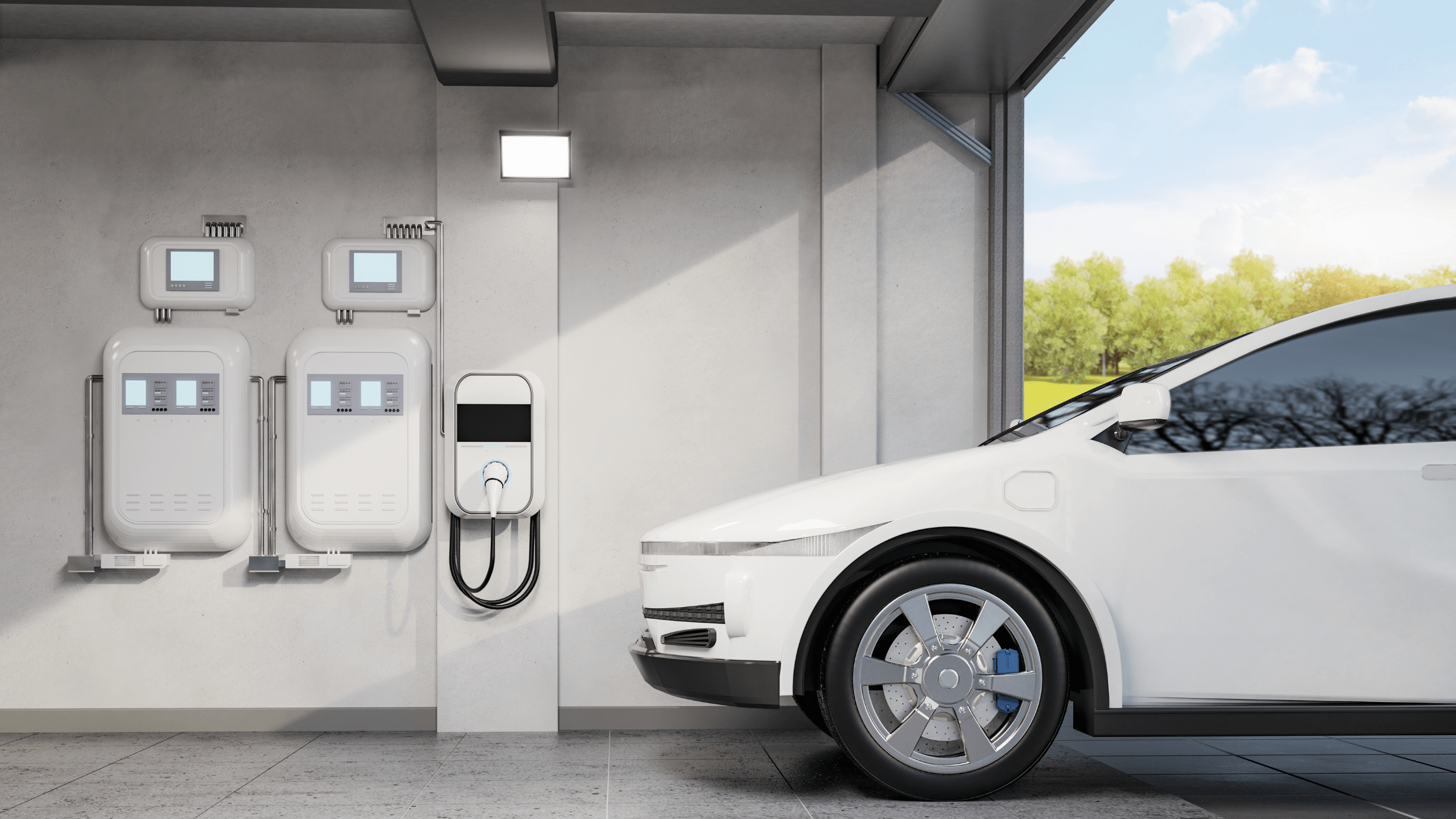
As electric vehicles (EVs) become more prevalent on the road, the convenience and efficiency of charging these vehicles at home are fundamentally transforming residential living. With more homeowners now prioritizing sustainability and energy independence, the demand for home EV charging has surged. To learn more about the installation process and benefits, click here. The ability to charge an electric vehicle overnight in the safety of one’s garage or driveway not only enhances daily convenience but also signals a broader shift towards eco-friendly living.


This change isn’t just a matter of personal convenience. It reflects evolving values as more residents seek ways to reduce their carbon footprint and take control of their energy use. Having a dedicated EV charger at home is quickly becoming a must-have, especially for new homebuyers and those looking to modernize their residences for the future.
According to The New York Times, builders and developers are reacting to these trends by integrating EV charging into new developments and renovations, viewing it as an investment in property value and a sustainable future. By facilitating easy access to charging, communities can accelerate the adoption of clean transportation.
The awareness of the climate benefits of EV ownership is also prompting homeowners to make more informed decisions about their energy use, creating demand not just for charging infrastructure but also for more innovative and sustainable ways to power homes and vehicles.
Enhancing Property Value with EV Chargers
Installing an EV charger is increasingly seen as a valuable upgrade. Prospective buyers and current homeowners are beginning to view charging infrastructure as a crucial aspect of a modern, future-proof living environment. In real estate markets, homes listing EV charger capability often sell faster and at a premium compared to similar homes without this feature. Mentions of EV charging in homes for sale rose by over 90% year-over-year, underscoring its growing appeal.
The National Association of Realtors notes that this amenity can make the property more marketable, especially in urban and suburban regions with a rising number of EV owners. This added value also helps attract environmentally conscious buyers who view home charging as essential for long-term convenience and lower operating costs.
Integrating Renewable Energy for Sustainable Charging
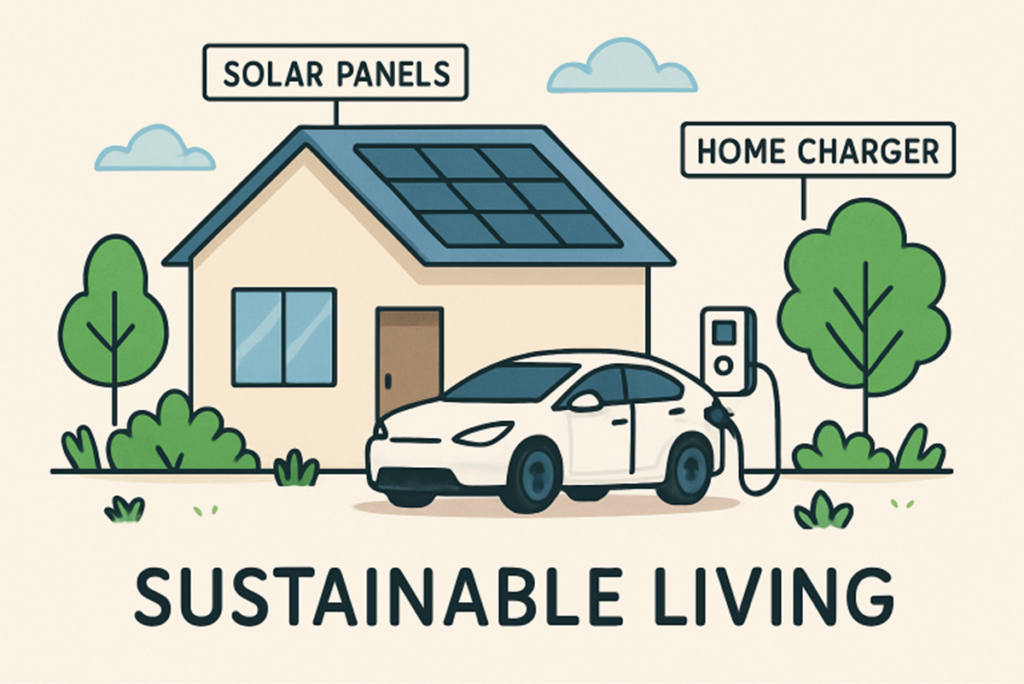
The synergy between home EV charging and renewable energy, particularly solar panels, is transforming the sustainability landscape. By coupling solar arrays with EV charging, homeowners can harness clean, renewable power directly from their own rooftops, minimizing dependence on fossil fuels and public utilities. This not only contributes to reduced household energy bills but also significantly lowers the carbon emissions associated with vehicle travel.
For households invested in sustainability, integrating solar energy creates a closed-loop system, funneling surplus solar energy directly into vehicle batteries. This setup is further supported by advancements in system management software, making it easier than ever for homeowners to maximize energy savings while contributing to a greener power grid. Recent research highlighted by the Scientific American shows how these home-based charging systems can support local utilities and enhance grid resiliency.
Advancements in Smart Charging Technology
The progression from basic charging to innovative charging technology is empowering homeowners with new levels of control and efficiency. Smart chargers, equipped with artificial intelligence and IoT connectivity, can optimize charging times to coincide with off-peak energy hours, automatically reducing electricity costs. They can also receive utility signals to pause or shift charging in response to grid demand, reinforcing energy conservation.
User-friendly mobile apps provide real-time monitoring, remote setting adjustments, and alert users to completion or disruptions in the charging process, creating a seamless and efficient charging experience. These advancements are making home EV charging systems more intuitive and accessible to all.
Bidirectional Charging and Energy Management
As bidirectional or vehicle-to-grid (V2G) technology advances, EVs are evolving into dynamic energy resources. V2G enables electric vehicles not just to consume power but also to supply energy back into the home or local grid when needed, serving as a mobile battery storage system. During outages or high-demand periods, homeowners can tap into stored energy, increasing household resilience and potentially offsetting higher utility costs.
As reported by Forbes, several markets are piloting bidirectional programs, showcasing the financial and environmental benefits of grid interaction. This innovation is crucial for developing more intelligent and adaptable residential energy systems.
Government Incentives and Regulatory Support
Public policy remains a key driver of EV charging adoption at home. Federal and state tax credits, such as a credit of up to 30% of the installation cost (capped at $1,000), have made it more affordable for homeowners to embrace this technology. Homeowners should be aware of changing legislation, as some credits are set to expire in the near future; staying informed can ensure maximum benefit.
Additionally, local jurisdictions are updating building codes to require EV charging readiness in new construction, further accelerating market transformation toward cleaner, electric-powered mobility.
Overcoming Challenges in Home Charging Infrastructure
Despite the rapid growth, obstacles remain. Installation costs, particularly for high-speed chargers, and the need for electrical system upgrades can pose hurdles for some homeowners. Renters and those in multi-unit dwellings face additional complexities, such as accessing electrical infrastructure and negotiating shared resources.
Overcoming these barriers will require continued collaboration among governments, utility providers, HOAs, and technology companies to ensure solutions are accessible, affordable, and equitable for all residents.
The Future of Home EV Charging
The future of home EV charging points suggests even tighter integration with smart home systems, renewable energy sources, and energy storage solutions. Innovations such as wireless charging, lighter cabling, and AI-driven energy management will further streamline the user experience while boosting household energy efficiency.
As technologies and regulations continue to evolve, the presence of home EV chargers will become synonymous with modern, resilient, and sustainable living—empowering homeowners to reduce environmental impact, boost property value, and participate in a cleaner, greener future.