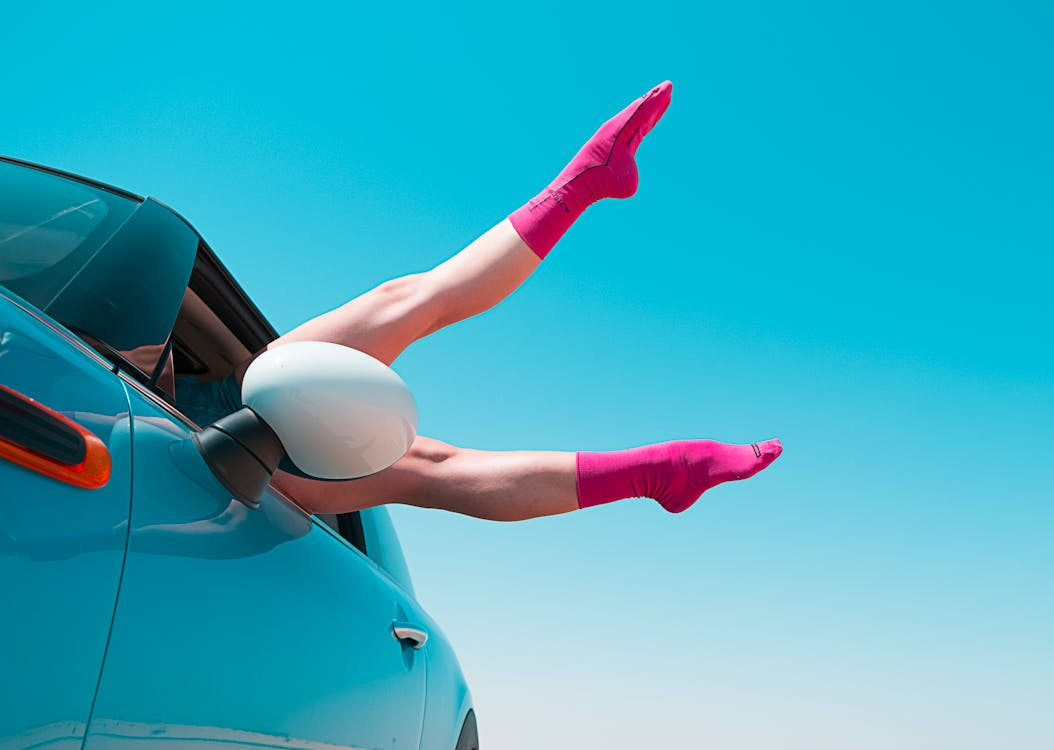
When people think about performance gear, they usually jump straight to shoes, leggings, or sports bras. But there’s one small piece of kit that quietly makes or breaks your comfort: women’s socks.


If you’ve ever finished a run with hot spots on your toes, a hike with blisters on your heels, or a gym session with sweaty, slipping feet, you already know how big a difference the right socks can make.
This guide breaks down what to look for in athletic women’s socks designed for running, hiking, or gym workouts—so you can choose pairs that genuinely support your movement, not fight against it.
Why Socks Matter More Than You Think
Your feet are under constant stress when you’re active. Every step during a run or hike involves repetitive impact; every squat, jump, or lunge in the gym puts pressure on different parts of the foot. Good women’s socks do three crucial things:
- Protect the skin (from friction, blisters, and irritation)
- Manage moisture (to reduce bacteria, odour, and discomfort)
- Support the foot structure (helping alignment and comfort in shoes)
When those three are handled well, your shoes feel more comfortable, your feet stay fresher, and your energy lasts longer.
1. Fit and Shape: Made for a Woman’s Foot
The best athletic women’s socks aren’t just smaller versions of men’s socks. They’re shaped with a woman’s foot in mind: generally narrower at the heel, tailored around the arch, and fitted more closely to reduce bunching.
What to look for
- Anatomical left/right design
Some performance socks are labelled “L” and “R” and are shaped specifically for each foot. This improves fit around the arch and toes and reduces excess fabric, which can cause friction. - Snug but not tight
The sock should hug your foot without cutting into your skin. If you see deep indentations around the cuff after a workout, the sock might be too tight. - Secure heel pocket
A contoured heel that cups the back of the foot helps prevent the sock from slipping down during running or hiking.
2. Fabric Matters: Moisture Management and Comfort
The fabric blend is one of the biggest differences between everyday women’s socks and those designed for performance.
Common performance materials
- Synthetic fibres (like polyester, nylon, elastane blends)
These are often used because they wick moisture away from the skin and dry quickly. That means fewer blisters and less “squishy sock” feeling during long runs or intense gym sessions. - Performance wool (often merino blends)
Wool might sound warm, but high-quality fine wool for athletic socks is breathable, naturally odour-resistant, and regulates temperature well—keeping feet comfortable in both hot and cold conditions. - Cotton blends (used carefully)
Pure cotton holds onto moisture, which can increase friction and blisters. In performance socks, cotton is usually blended with synthetics to keep the softness while improving drying time.
What to prioritise
- Look for moisture-wicking or “quick-dry” descriptions.
- Choose fabrics that feel smooth on the skin and retain their shape after washing.
- For intense running or long hikes, synthetics or wool blends generally outperform pure cotton.
3. Cushioning and Impact Protection
The right cushioning can make a huge difference in how your feet feel mid-workout and at the end of the day.
Zoned cushioning
Good athletic women’s socks often use targeted cushioning, rather than thick padding everywhere. You’ll commonly see:
- Extra padding in the heel and toe
Helps absorb impact during running and reduces rubbing at common blister points. - Light padding under the ball of the foot
Especially helpful for forefoot strikers and workouts involving jumping or agility drills. - Thinner mesh on top
To keep the sock breathable and avoid bulk inside the shoe.
Matching cushioning to activity
- Running: Light to medium cushioning is usually best—enough to soften impact, but not so much that the shoe feels tight.
- Hiking: Medium to heavy cushioning may be more comfortable, especially for long distances or when carrying a backpack.
- Gym: Depends on the workout. For strength training or indoor classes, light to medium cushioning works well; for plyometrics and HIIT, a bit more underfoot protection can help.
4. Arch Support and Light Compression
Your arches work hard during movement, and fatigue or poor support can lead to discomfort in the foot, ankle, or even knees and hips.
Built-in support
Many high-quality women’s socks include:
- Elastic arch bands
A strip of elastic around the midfoot that gently hugs the arch. This keeps the sock from sliding around and gives a subtle feeling of support. - Mild compression around the midfoot and ankle
It can help with circulation, stability, and reduce swelling over long sessions.
You don’t need medical-grade compression for everyday workouts, but a little structured support in the sock can make your shoes feel more secure and your footing more stable.
5. Seamless Toes and Blister Prevention
Even the most expensive shoe can feel uncomfortable if your socks have bulky seams in the wrong place. Runners and hikers know the pain of a small seam that rubs over thousands of steps.
Key design details
- Seamless or flat toe seams
This minimises rubbing at the tip of the toes, especially when you’re going downhill hiking or running long distances. - Smooth interior
Avoid socks with rough stitching inside. Any raised areas can become friction zones under load. - Snug, non-slip fit
Socks that twist or bunch inside your shoe are a fast track to blisters. A contoured, elasticated design helps keep everything in place.
For people with sensitive skin or blister-prone feet, these small details are non-negotiable.
6. Breathability and Temperature Regulation
Feet heat up quickly during exercise, and excess heat plus moisture is a recipe for discomfort and odour. Athletic women’s socks use knit structures and fibre choices to solve this.
Cooling features
- Mesh panels
Often knit into the top of the foot to allow better airflow and heat escape. - Ventilation channels
Some socks include ribbed or channeled designs to encourage air circulation around the foot. - Temperature-adaptive materials
Merino wool blends, for example, naturally help regulate temperature—keeping feet warm in cool conditions and less overheated in warm conditions.
If you train in hot climates, these features can make a noticeable difference in how your feet feel after an hour of movement.
7. Height and Style: From No-Show to Crew
The height of your women’s socks isn’t just about style—it also affects comfort and protection.
Common heights for athletic use
- No-show / low-cut
Great for gym sessions or road running, where you don’t need extra coverage. Choose designs with a heel tab to prevent slipping and rubbing at the back of the shoe. - Ankle/quarter length
A versatile option for running and gym workouts; it provides a bit more protection around the ankle and Achilles. - Crew length
Popular for hiking and trail running, as they protect the lower leg from brush, small rocks, or shoe collars. They also provide a bit of warmth in cooler weather.
Choose height based on your shoe type, terrain, and how much coverage you prefer.
8. Durability and Everyday Practicality
Your socks go through a lot: sweat, constant friction, frequent washing. Athletic women’s socks should be durable enough to handle this without quickly thinning, sagging, or losing elasticity.
Signs of good durability
- Reinforced heel and toe
These areas wear out first, especially for runners and hikers. - Recovery after stretching
After putting them on and taking them off, good socks snap back to shape rather than staying stretched out. - Shape retention after washing
They should keep their structure wash after wash, without shrinking tightly or becoming loose and baggy.
Caring for them properly—washing inside out, avoiding very high heat, and skipping harsh fabric softeners—also helps preserve the fibres.
9. Activity-by-Activity: Matching Socks to Your Sport
For Running
Priorities:
- Moisture-wicking fabric
- Light to medium cushioning under heel and forefoot
- Flat or seamless toe
- Secure fit with arch support
Ideal: Low-cut or ankle women’s socks with mesh ventilation and targeted padding.
For Hiking
Priorities:
- Slightly thicker cushioning for long wear
- Breathability and temperature regulation
- Crew length to protect from debris and rubbing
- Durable construction
Ideal: Crew-length socks with reinforced heel/toe and comfortable cushioning, often in a wool or wool-blend for multi-day use.
For the Gym
Priorities:
- Versatility (you may run, lift, or do classes)
- Stable fit for multi-directional movement
- Light to medium cushioning
- Breathable with good arch hold
Ideal: Low-cut or ankle socks with a supportive band around the midfoot and enough cushioning to stay comfortable through varied sessions.
10. Style and Simplicity
Function comes first in performance women’s socks, but style still matters. Many people prefer neutral colours that pair easily with different shoes and outfits, especially if you’re transitioning from the gym to errands or work.
Simple, clean designs are often easiest to mix and match—and they feel more like an intentional part of your wardrobe rather than an afterthought. If you’re shopping at Muji, for example, you might be drawn to understated styles that prioritise comfort and function without loud logos or patterns.

Final Thoughts: Small Item, Big Impact
It’s easy to underestimate socks, but once you’ve experienced the difference that well-designed athletic women’s socks make, there’s no going back. The right pair can help:
- Prevent blisters and hot spots
- Keep your feet dry and fresh
- Support your arches and joints
- Make runs, hikes, and workouts more comfortable and enjoyable
Think of your socks as part of your performance system, not just an accessory. When you choose them with the same care you give to shoes or clothing, every step—whether on the trail, treadmill, or gym floor—feels better.