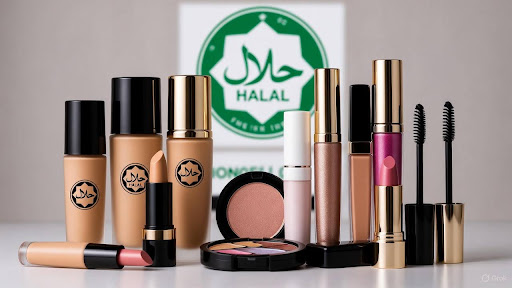
The global beauty landscape is rapidly evolving, driven by an increasingly conscious consumer base that demands not only efficacy but also ethical and religious compliance from their personal care products. For companies operating in the United States, obtaining halal cosmetics certification is no longer a niche consideration; it is a critical step to tap into a growing, multi-billion dollar market segment. This comprehensive guide will illuminate the process, benefits, and key considerations for cosmetics companies seeking this valuable accreditation.


The Rising Demand for Halal Cosmetics
Halal, an Arabic term meaning “permissible” or “lawful,” extends far beyond dietary restrictions. In the context of beauty, halal certification for cosmetics ensures that products adhere to the strict standards of Islamic Shariah law. This means the products are:
- Free from Haram (Forbidden) Ingredients: Specifically, they must not contain pork or its derivatives, alcohol (ethanol from intoxicating sources), blood, or ingredients derived from animals not slaughtered according to Islamic rites.
- Produced Ethically: This often includes a commitment to cruelty-free practices and ethical sourcing, resonating with the broader clean beauty movement.
- Manufactured Without Contamination: The entire production line, from sourcing and processing to packaging, must be free from cross-contamination with non-halal materials.
The demand for these products is skyrocketing. The global halal cosmetics market is projected to reach well over $100 billion in the coming years, with North America identified as one of the fastest-growing regions. This growth is fueled by a burgeoning Muslim population, an increasing awareness of the religious and ethical implications of personal care, and a general consumer trend toward natural, pure, and transparent product formulations. Non-Muslim consumers are also drawn to halal-certified products because the certification is viewed as a robust stamp of purity and quality assurance.
Navigating the Halal Certification Process
For cosmetics companies seeking halal certification in the USA, the process is meticulous and demands a complete audit of the company’s operations and supply chain. While exact procedures may vary slightly between organizations, the core steps remain consistent:
1. Initial Consultation and Application
The journey begins with selecting a reputable Halal Certification Agency and submitting a formal application. This initial phase involves outlining the scope of certification (which specific product lines or facilities) and providing comprehensive company details.
2. Deep Dive into Documentation and Ingredients
This is arguably the most crucial stage. Companies must furnish detailed documentation for every single raw material used in the cosmetics and personal care certification process. This includes:
- Complete Ingredient Lists: Full formulas, including INCI names.
- Source and Origin Declarations: Traceability for all raw materials. For any animal- or alcohol-derived ingredients (if permissible, like certain synthetic alcohols or derivatives from plant-based sources), detailed information on their origin and processing must be provided. For example, glycerin, stearic acid, and collagen must be proven to be from halal-compliant sources.
- Supplier Certificates: Halal certificates from raw material suppliers are required to prove the compliance of upstream products.
- Manufacturing SOPs: Detailed standard operating procedures (SOPs) for production, handling, storage, and cleaning.
3. Facility Inspection and On-Site Audit
A crucial step in gaining your us halal certification involves an audit by a representative from the halal certifying body. The auditor will visit the manufacturing facility to verify that the processes align with the submitted documentation and Shariah requirements. Key inspection points include:
- Segregation and Storage: Ensuring proper separation and storage of halal-compliant ingredients and finished products to prevent cross-contamination with any non-halal items.
- Equipment and Cleaning: Verification of the cleaning and sanitation procedures. Equipment that handles non-halal products must be ritually cleansed (known as sertu) or, ideally, production lines should be dedicated exclusively to halal products.
- Employee Training: Confirmation that employees involved in the halal production chain are trained on and adhere to halal standards.
4. Certification Decision and Issuance
Following the successful completion of the documentation review and the on-site audit, the certification body’s Shariah committee will issue a final ruling. If all requirements are met, the company is granted the halal cosmetics certification and the right to use the official Halal mark on its packaging. This certification typically has an expiration date, requiring regular audits and renewal to ensure ongoing compliance.
Why Pursue Halal Certification?
The decision to obtain official halal certification is a strategic one that unlocks numerous business opportunities:
- Market Expansion: It immediately opens the door to the vast global Muslim consumer base, domestically and internationally. For export-focused brands, this accreditation can be a prerequisite for market entry in many Muslim-majority countries.
- Brand Credibility and Trust: The Halal mark acts as a powerful symbol of trust, purity, and ethical commitment. It assures Muslim consumers that the product aligns with their faith and appeals to non-Muslim consumers interested in clean, ethical, and transparent beauty products.
- Competitive Advantage: In a crowded marketplace, halal certification differentiates a brand, positioning it as a leader in ethical and quality-focused manufacturing.
- Improved Manufacturing Practices: The stringent requirements for preventing cross-contamination and maintaining cleanliness often lead to an overall improvement in a company’s quality assurance (QA) and good manufacturing practice (GMP) standards.
Choosing the Right Halal Certifying Body
Selecting the appropriate Halal Certification Agency is critical, especially for companies with global ambitions. You must choose a partner whose certification is recognized and accepted both within the US and in the international markets you plan to enter. Some agencies maintain mutual recognition agreements with foreign bodies like JAKIM (Malaysia), MUI (Indonesia), or MUIS (Singapore), which is invaluable for global market access. Thoroughly research the agency’s accreditation, experience specifically with cosmetics halal certification in USA, and its reputation within the global halal community.
One such highly regarded organization providing quality halal certification services is Halal Watch World. Choosing an organization with a strong international profile and clear, comprehensive standards can streamline the process and ensure your products gain the recognition they deserve among the conscientious global consumer base.
Conclusion: The Future of Ethical Beauty
The push for halal cosmetics certification represents a significant shift in the beauty industry towards greater ethical awareness, ingredient transparency, and religious inclusivity. For cosmetics companies in the USA, obtaining this certification is an investment in future growth and brand integrity. By embracing the rigorous standards of halal, companies can confidently meet the needs of one of the world’s fastest-growing consumer segments, building trust and loyalty through a commitment to purity, quality, and faith-based values.