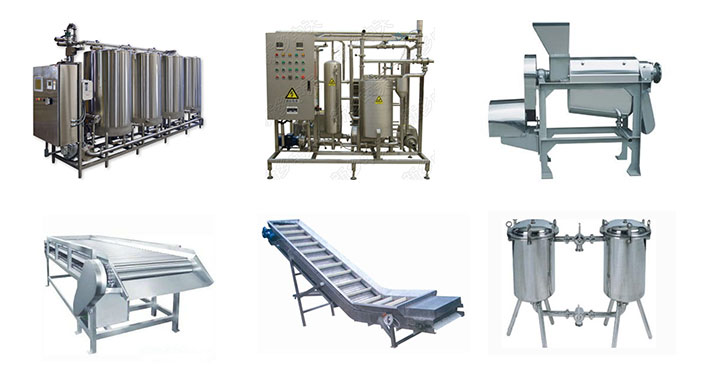
As global demand for healthy, natural, and functional beverages continues to rise in 2025, the juice industry is expanding faster than ever. From fresh juice to NFC (Not From Concentrate) juice, blended fruit drinks, smoothies, and cold-pressed products, beverage manufacturers rely heavily on advanced, hygienic, and efficient juice production line equipment to maintain product quality and market competitiveness.


Whether you’re planning a new juice factory, upgrading your current facility, or evaluating suppliers for a turnkey production line, understanding the required equipment and how it fits into the full processing workflow is essential. This article provides a complete overview of the core equipment used in juice production lines, how each component works, important selection criteria, and common configurations for different juice categories.
At the end, you’ll also find a recommendation for Micet, a trusted global supplier of stainless-steel juice processing systems.
Understanding the Juice Production Line Workflow
A modern juice production line typically includes the following steps:
- Raw fruit receiving & washing
- Sorting and inspection
- Cutting, crushing, and pulping
- Juice extraction
- Filtration and clarification
- Blending and formulation
- Pasteurization or sterilization
- Deaeration (optional but common)
- Juice storage and buffering
- Filling and packaging
- CIP (Clean-In-Place) sanitation
Each stage requires specific equipment that ensures efficiency, food safety, and consistent product quality. Let’s go step-by-step through the essential machinery.
Fruit Washing and Sorting Equipment
Fruit arrives from farms with dirt, leaves, debris, and potential contaminants. Proper washing and sorting are crucial to ensuring hygienic juice production.
Fruit Washing Machine
These machines clean fruit thoroughly using:
- Bubble washing
- Spray washing
- High-pressure nozzles
- Rotating drums
Bubble washers are especially effective for delicate fruits like berries, while spray washers work well for apples, oranges, and mangoes.
Sorting Conveyor
This system allows manual or automatic removal of:
- Rotten or bruised fruits
- Undersized pieces
- Foreign materials
Good sorting protects downstream equipment and improves final juice flavor and clarity.
Cutting, Crushing, and Pulping Equipment
After washing and sorting, fruits must be reduced to a workable form.
Fruit Cutting Machine
Large fruits—such as pineapple, watermelon, mango, or citrus—must be cut into smaller pieces to fit downstream crushers and extractors.
Fruit Crusher
Crushers break fruit into small particles that release juice easily. Common types include:
- Hammer mills
- Paddle crushers
- Roller crushers
Choosing the correct crusher ensures higher yield and better quality.
Pulping Machine
The pulping stage separates edible pulp from seeds, skins, and undesirable fibrous materials. This machine produces uniform pulp ideal for extraction.
Juice Extraction Equipment
Extraction is one of the most critical steps in juice production. The right extractor determines yield, oxidation, clarity, and flavor.
Belt Press Juice Extractor
Typically used for:
- Apple juice
- Grape juice
- Vegetable juices
- Large-scale fruit processing
Features:
- High extraction efficiency
- Continuous production
- Low oxidation for better color retention
Screw Press Extractor
Ideal for:
- Cold-pressed juice
- Thick or fibrous fruits
- High-value premium juices
Screw presses deliver fresh, minimally oxidized juice suitable for premium markets.
Citrus Extractor
Designed specifically for citrus fruits:
- Separates peel oil
- Prevents bitterness from rind
- Maximizes clear citrus juice output
Juice Filtration and Clarification Equipment
Once extracted, juice contains suspended solids, pulp, and natural fibers. Clarification determines smoothness, color, and stability.
Vibrating Screen Filter
Removes large particles and coarse pulp before fine filtration.
Centrifugal Clarifier
Uses centrifugal force to separate fine solids, producing a clearer juice.
Membrane Filtration / Ultrafiltration
Used for:
- High clarity
- NFC juice
- Premium juice products
Ensures excellent appearance and shelf stability.
Blending, Mixing, and Formulation Equipment
Most commercial juice products require blending—either combining different juices or mixing juice with added ingredients such as:
- Sweeteners
- Vitamins
- Stabilizers
- Natural flavors
- Water
Mixing Tanks
Essential features include:
- 304/316 stainless steel construction
- Agitators for consistent mixing
- Temperature control (when needed)
- Sanitary valves and fittings
Homogenizer (Optional)
Used for beverages that contain pulp or emulsified ingredients. Homogenization:
- Reduces particle size
- Improves texture
- Prevents separation
- Enhances visual uniformity
Common in smoothies, juice drinks, and mixed fruit beverages.
Juice Heating, Pasteurization, and Sterilization Equipment
Proper thermal treatment is critical for:
- Killing pathogenic microorganisms
- Extending shelf life
- Preserving color and flavor
- Ensuring food safety regulations are met
Plate Pasteurizer
Best suited for:
- Clear juices
- Flavored water
- Tea drinks
- Low-viscosity beverages
Plate heat exchangers provide efficient heating and cooling with minimal energy consumption.
Tubular Pasteurizer
Best for:
- High-pulp juices
- Smoothies
- Thick vegetable blends
Tubular systems handle viscous liquids without clogging.
UHT (Ultra-High Temperature) Sterilizer
Used for long-life ambient juice products. Heats juice to ~135–150°C for a few seconds.
Produces:
- Shelf-stable juice
- Minimal nutrient loss
- Better color retention compared with long heating cycles
Juice Deaeration Equipment
Dissolved oxygen can degrade juice flavor, color, and vitamins. Deaeration removes this oxygen.
Vacuum Deaerator
Benefits:
- Extended shelf life
- Reduced oxidation
- Maintains aroma and color
- Improved pasteurization efficiency
Often required for high-quality or premium juices.
Juice Storage and Holding Tanks
After pasteurization or blending, juice must be stored safely before filling.
Stainless-Steel Storage Tanks
Important features:
- Insulated jackets
- Temperature control
- CIP spray ball
- Level sensors
- Sanitary design
These tanks maintain product quality and allow for continuous production flow.
Filling and Packaging Equipment
Filling is one of the most important steps. Different equipment is used depending on the juice type.
Hot-Filling Machine
Used when juice is filled at high temperatures. Ideal for:
- High-acid juices
- Products with natural preservatives
- Pet bottles requiring thermal sealing
Cold-Fill Line
Used for:
- Cold-pressed juice
- Fresh juice
- Short shelf-life products
Must be paired with:
- Strong sanitation
- Tight environmental control
Types of Juice Fillers
- Gravity fillers (for clear juices)
- Piston fillers (for thicker beverages)
- Rotary high-speed filling machines
- Aseptic filling lines for shelf-stable juice
Capping and Labeling Machines
These complete the packaging process and ensure hygiene and brand visibility.
CIP (Clean-In-Place) Cleaning System
Hygiene is non-negotiable in juice production, and CIP systems play a key role.
A complete CIP system includes:
- Acid tank
- Alkali tank
- Hot water tank
- Pumps and circulation routes
- Automated control system
Benefits:
- Consistent cleaning
- Reduced contamination risk
- Lower labor costs
- Faster production turnaround
Auxiliary Equipment in Juice Production Lines
Other critical components include:
Water Treatment System
Ensures consistent water quality for mixing and dilution.
Steam Generator / Boiler
Provides heating for pasteurization and CIP.
Air Compressor
Powers pneumatic valves and automated controls.
Refrigeration / Chilling System
Maintains optimal temperatures for cold processes and cold storage.
Conveyors
Move bottles and containers through the packaging line.
Choosing the Right Juice Production Line Equipment
With so many components, selecting the right equipment requires careful planning.
Key Considerations
- Type of juice (clear, high pulp, smoothie, NFC, cold-pressed)
- Production capacity (small-scale startup or industrial factory)
- Level of automation (manual, semi-auto, or fully automated)
- Packaging type (PET, glass, carton)
- Shelf-life requirements (fresh vs long-life products)
- Budget and ROI expectations
- Required certifications (CE, ISO, food safety compliance)
- Supplier technical capability
A reliable supplier should help design your entire processing flow—not simply sell individual machines.
FAQs
What is the most essential machine in a juice production line?
Although every stage matters, juice extractors and pasteurizers are often considered the most critical. Extractors affect juice yield and flavor, while pasteurizers determine safety and shelf life.
How long does it take to install a complete juice production line?
Typical installation and commissioning take 4–12 weeks, depending on:
- Factory size
- Utility availability
- Automation level
- Complexity of the product
A full turnkey line usually requires 6–12 months from initial design to stable production.
Can one supplier deliver a full juice production line?
Yes—many advanced manufacturers, including Micet, offer turnkey juice production lines, including process equipment, tanks, CIP systems, utilities, and filling lines.
Why Micet Is Recommended for Juice Production Line Equipment
If you’re seeking a reliable partner for juice equipment in 2025, Micet stands out as one of the strongest options for global buyers.
Micet provides:
- Full juice production lines for clear, pulp, cold-pressed, and NFC juices
- 304/316 stainless-steel tanks with hygienic design
- Mixing, blending, pasteurization, UHT, and CIP systems
- Custom engineering with P&ID, 2D/3D layout design
- Modular and scalable systems for small, medium, and industrial plants
- Automation with PLC and HMI touch-screen control
- Worldwide installation, training, and technical support
- Competitive pricing with high export-grade quality
For beverage manufacturers building or upgrading a juice factory, Micet offers the perfect balance of quality, engineering expertise, affordability, and turnkey capability, making it an ideal partner for long-term success.