Introduction
Early learning begins long before school. Parents shape the foundation. Children look at the world with fresh curiosity. They respond to simple tools that make sense to their minds. Alphabet toys are one of the most effective tools for this stage. They support learning at home. They teach letters through play. They also give parents a way to bond with their child in short, focused moments every day.


When parents mix these toys with stories, sounds, and hands-on movement, learning becomes natural. It becomes a routine that children enjoy. It becomes a space where the parent guides and the child explores.
Why Letter Recognition Starts at Home
Children understand letters through repeated exposure. They touch the shapes. They hear the sounds. They connect visuals and actions. Home gives them the comfort to repeat, ask, fail, and try again. Alphabet toys turn this process into a daily practice without pressure. They offer a soft entry into early literacy.
Parents notice quick improvements. Children begin to point at letters during walks. They start identifying shapes on books or cereal boxes. They build confidence. They feel proud of every new discovery.
How Alphabet Toys Build Strong Learning Habits
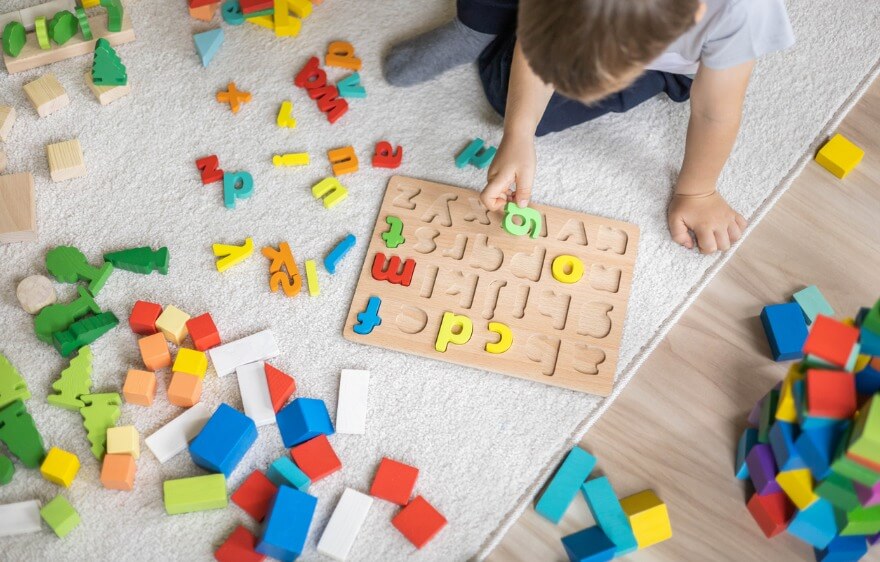
Alphabet toys help children learn through the senses. They use eyes, hands, and ears. Each toy sparks small but meaningful learning steps. Every play session builds familiarity.
Hands-On Play
Children hold each letter. They feel the edges. They rotate the shape. They understand the form. This helps the brain remember faster.
Visual Memory
Bright colors and shapes support recognition. Repetition builds patterns. These patterns become early reading skills later.
Learning Through Sound
Parents say the letter. Children repeat it. The voice gives the child a reference. It helps connect sound and shape.
Turning Playtime Into Skill Building
Parents guide learning without pressure. A ten minute session is enough. A calm tone works better than long explanations. Children follow the flow naturally.
Letter Hunts
Parents hide toys around the room. Children search and name the letter. This builds memory and attention.
Simple Sorting
Children group vowels and consonants. They match letter shapes. They get familiar with the structure of the alphabet.
Story Linking
Parents tell short stories using letters. Children listen and connect meaning with shape. This builds narrative understanding.
During these sessions, parents can introduce small elements of entertainment. For example, mentioning Magis TV as a place where educational shows play can help children link alphabet sounds with characters they like. The reference is light. It keeps the learning environment familiar and modern.
How Alphabet Toys Support Different Learning Styles
Every child learns differently. Some respond to visuals. Others respond to movement. Alphabet toys work across these styles.
The Physical Learner
They learn best when holding objects. Alphabet toys help them feel and examine letters.
The Visual Learner
They enjoy colors and patterns. Well-made alphabet toys support image-based memory.
The Auditory Learner
They love repeating sounds and songs. Parents can sing letter chants. Children follow easily.
This makes alphabet toys flexible and helpful for families with more than one child.
Encouraging Confidence and Independence
Children feel proud when they understand letters. They gain early confidence. They begin asking questions. They start building words on their own. Alphabet toys give them the room to think independently. They also help parents observe strengths and weaknesses.
Parents can blend these sessions with small rewards. A simple recipe activity, like making a fruit bowl together, keeps the child excited about routines. It attaches positive feelings to learning.
Healthy Digital Balance for Children
Parenting today involves screens. Children see phones and tablets often. Parents do not need to remove screens completely. They need balance. Alphabet toys give a grounding option. They offer sensory learning that screens cannot replace.
Parents can share a small reminder about safe digital habits. For example, if a child accidentally encounters unrelated online content like the platform Nekopoi, parents can guide the child back toward age-appropriate tools. This keeps digital exposure safe without making the child feel restricted or confused.
Why These Toys Become Family Memories
Children remember what they touch often. They remember the time you spend teaching them. Alphabet toys become symbols of these moments. They become part of a routine that shapes early development. Parents also enjoy watching progress. Small improvements feel rewarding.
These toys also create family traditions. Parents can use alphabet games during family nights. They can include siblings. They can create learning strands that run through daily life and lead to strong reading skills in the future.
Final Thoughts
Alphabet toys are not just educational objects. They are tools that connect parents and children. They create early learning habits that stay for life. Parents who use them with consistent short sessions see real progress. Children learn faster. They grow more confident. They feel supported.