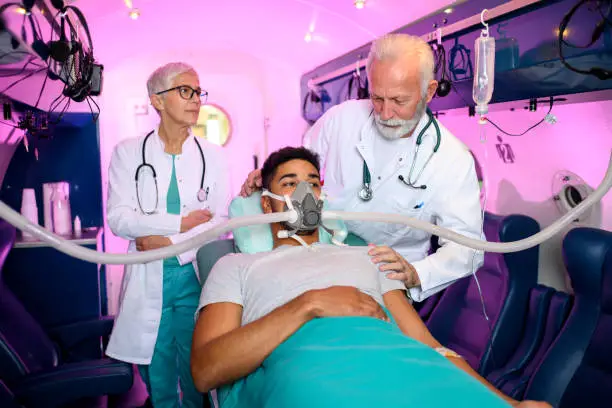
I still remember the first time I saw a hyperbaric chamber up close. It looked like something from a space movie glass, soft light, a faint hiss of air. I didn’t really know what it did, only that people came out of it saying they felt lighter, sharper, somehow renewed. That was my first brush with Hyperbaric Oxygen Therapy, or HBOT.


Fast forward a few years, and these chambers have quietly made their way from hospitals to wellness clinics across London. Everyone from athletes to office workers seems curious about it. So, what exactly happens inside, and why do people swear by it? Let’s unpack that in plain English.
Breathing More Than Air
Here’s the short version: during an HBOT session, you sit or lie in a sealed chamber where the air pressure is higher than normal about two or three times what you’d feel outside. You breathe pure oxygen while the chamber does its thing.
That pressure makes oxygen dissolve straight into your blood plasma, not just the red blood cells. It spreads deeper, even into areas where blood flow might normally be poor — muscles, joints, damaged tissues. It’s like delivering extra fuel to the parts of your body that need it most.
Afterward, your body has an oxygen surplus to use for repair, detox, and regeneration.
The Experience
If you’ve never tried it, imagine lying inside a quiet, softly lit capsule. You can read, listen to music, or close your eyes. The air gets a little heavier as pressure builds, and your ears might pop like they do on an airplane. That’s about it.
The first time I tried it, I wasn’t sure what to expect. It was peaceful, almost boring at first. But when I stepped out an hour later, I felt oddly awake. My mind was clearer, my breathing deeper. I went for a walk afterwards and noticed colours seemed a bit sharper. Whether it was placebo or physiology, I can’t say but it felt real.
Why Oxygen Helps So Much
Oxygen isn’t just something we breathe; it’s the foundation for almost every process in the body. Every cell needs it to make energy. When tissues don’t get enough — because of inflammation, stress, injury, or just aging — the system slows down.
HBOT gives your body an oxygen surplus. With that extra supply:
- Cells repair faster.
- Swelling and inflammation go down.
- Blood flow improves.
- The immune system works more efficiently.
That’s why HBOT was first used medically for things like serious wounds and carbon monoxide poisoning. The same principle now supports recovery and wellbeing in everyday life.
The Benefits People Notice
Most people don’t walk out of their first session doing cartwheels. The changes are quieter — better sleep, less joint stiffness, faster recovery after workouts. A few notice sharper focus or calmer moods.
Athletes say it helps them bounce back between games. People recovering from surgery find their scars heal faster. And for those simply running on fumes, it can feel like someone turned the lights back on inside.
What About Anti-Aging?
That’s a popular question. There’s growing research suggesting HBOT might stimulate collagen and even encourage stem-cell regeneration. I’m cautious about the word anti-aging, but many long-term users say they feel and look fresher. The skin often glows after a few sessions — not because of magic, but because better circulation literally brings more life to the surface.
It’s one of those therapies that works quietly behind the scenes. You don’t notice a single moment of transformation — it just sneaks up on you when your body starts feeling like it used to.
Common Myths
People sometimes think HBOT is only for elite athletes or those with medical prescriptions. Not true. The modern wellness world has made it more accessible. You can book sessions just like you would a massage or infrared sauna.
Another myth: that it’s uncomfortable. It’s not. The chamber doesn’t confine you like an MRI; it’s roomy, clear, and calm. You can see out, breathe normally, and even nap if you want.
How It Fits Into a Routine
If you’re thinking of trying HBOT, one session will give you a taste but consistency is where it shines. A short course of 10–20 sessions can build lasting results. Pair it with hydration, good food, and movement, and you’ll notice your recovery time shrinking dramatically.
Many people use it weekly for maintenance, especially if they train hard or work stressful jobs. It becomes part of their reset routine like charging your phone, but for your body.
HBOT vs Other Therapies
It’s easy to lump HBOT in with saunas, cryotherapy, and red-light treatments. They all help recovery, but HBOT works differently. Instead of stressing the body to trigger repair, it gives it abundance. More oxygen means less strain.
Some people stack treatments oxygen first, sauna or light therapy after — to make the effects even stronger. There’s no single recipe; it’s about finding what makes your system thrive.
My Honest Take
There’s something oddly grounding about it. You’re lying there, doing nothing, just breathing. And yet, beneath the surface, your body is working overtime to heal. It’s rare in wellness to find something so simple that doesn’t demand effort, no willpower, no discomfort, no hustle. Just stillness and oxygen.
The calm that follows isn’t just physical. It feels like mental clutter clears too. I’ve walked out of sessions with the same kind of peace I get after meditation only with more energy instead of less.
Where to Try It
If you’re based in London, Battersea Park Clinic offers hyperbaric oxygen therapy in a modern, comfortable setting. The chambers are quiet, private, and designed for anyone wanting to recover, recharge, or simply breathe a little deeper.
Sometimes the most powerful thing you can do for your health isn’t complicated — it’s just giving your body more of what it’s always needed. Oxygen happens to be the simplest place to start.