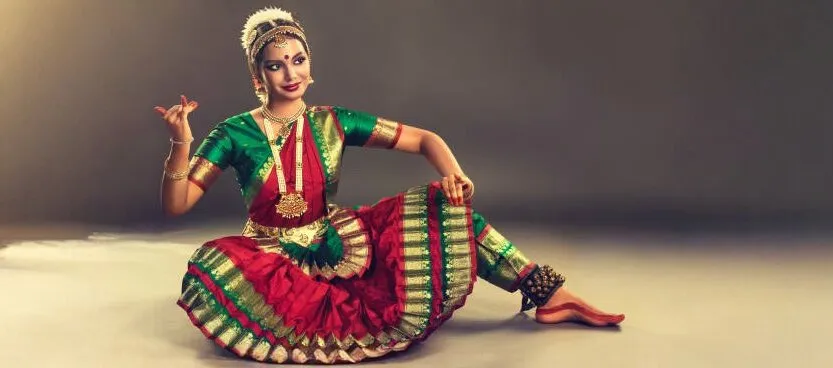
Bharatanatyam is the oldest-known classical dance form in our country. This art requires a solid foundation of precise movements called adavus. Adavus are the fundamental steps, also considered the building blocks of everything, covering everything from simple sequences to elaborate performances.


Traditionally, mastering adavus can take years under the watchful eye of a trained guru. But today, Bharatanatyam lessons online have made this ancient art form much more accessible to students worldwide. The quality instruction honors tradition while embracing modern technology.
You might wonder whether online instruction can truly teach the nuanced footwork, hand gestures, and body positions of Bharatanatyam. Well, it can, and this guide will show you how.
Understanding Adavus: The Foundation of Bharatanatyam
Understanding adavus from the very basics is paramount, and so is learning their significance in Indian dance forms.
Adavus are basic dance units that combine footwork (tattu), hand movements (hastas), and body positions (aramandi). Each adavu follows specific rhythmic patterns synchronized with Carnatic music.
There are several categories of adavus, including Tattadavu, Naatadavu, Visharu, Kuditamettadavu, and others. Each adavu serves a distinct purpose in Indian classical choreography.
Why Adavus Matter: The knowledge about adavus is essential for Bharatanatyam dancers.
Adavus teaches students how to develop their stamina, build their strength, and maintain balance and coordination.
Regular adavu practice trains your body to maintain correct posture, execute precise footwork, and coordinate movements with rhythm. Every jathi, tillana, and varnam builds upon these foundational movements.
The Learning Progression: Students typically begin with simpler adavus like Tattadavu before progressing to more complex combinations.
Now, each adavu has multiple variations and speeds (slow, medium, fast) of its own. Knowing them distinctly helps with skill development gradually. However, rushing through adavus is not advisable because your foundation weakens. Simply put, besides teaching patience, a thorough practice of adavus creates the technical finesse expected from every Bharatnatyam dancer.
Benefits of Learning Adavus Online
Bharatanatyam lessons online are extremely beneficial for students whose tight schedules don’t allow time for commuting. Like traditional classes, online lessons are equally competent in developing the fundamental movements every student needs in the earlier stages of learning.
Detailed Visual Reference: Online platforms allow instructors to demonstrate adavus live from multiple angles easily. More importantly, students can pause, rewind, and replay demonstrations countless times, which is not possible in a conventional training method. They can learn and practice the nuances even after missing them in live classes. Also, close-up camera angles can clearly show precise hand positions and footwork details. Can you say that for traditional classrooms?
Self-Paced Mastery: Adavus cannot be mastered overnight. A consistent practice is mandatory before precision is achieved. With online learning, this becomes easy. You can spend as much time as needed on each adavu without feeling rushed or holding back in a group class. You master each movement fully at your own pace before advancing to the next adavu.
Flexible Practice Schedule: Bharatanatyam practice is physically demanding. Online access means you can practice during your peak energy times, whether morning, afternoon, or evening. Breaking practice into multiple short sessions throughout the day often proves more effective than single marathon sessions.
Accessible Expert Instruction: Geography no longer limits your access to qualified gurus. Students in the USA can learn from renowned teachers in India or other regions, accessing expertise and teaching lineages that might not exist locally.
Consistent Review: The recorded lessons are your permanent reference sources. Even after spending years training in Bharatnatyam, you can forget some adavu fundamentals. Here, the live class recordings can become your saviour. You can always return to basic adavu lessons and practice the technique again, thus keeping your fundamentals intact while progressing to advanced repertoire.
Essential Elements of Effective Online Adavu Instruction
Quality Bharatanatyam online lessons incorporate specific features that support proper adavu learning.
High-Quality Video Production: You need a crystal-clear video that shows the entire body because you must see the demonstrations from multiple angles with proper lighting. And clear, close-ups of footwork and hastas help students see precise positioning.
Rhythmic Accompaniment: Adavus are intrinsically linked to rhythm. Quality instruction includes proper sollukattu (rhythmic syllables) and live or recorded mridangam accompaniment. Hearing the rhythm while seeing the movement helps synchronize your practice.
Progressive Breakdown: Excellent teachers break adavus into components, first teaching the foot position, then adding arm movements, finally integrating everything with rhythm and speed variations. This systematic approach prevents overwhelm.
Correction Feedback: The best platforms provide mechanisms for student video submission and instructor feedback. Even if not in real-time, this asynchronous correction helps identify and fix technical errors before they become a habit.
Cultural Context: Good instruction explains not just how to perform adavus but why they exist, their names’ meanings, and their role within Bharatanatyam tradition. This cultural knowledge deepens appreciation and understanding.
Overcoming Challenges of Learning Dance Online
Learning a physical art form virtually presents unique challenges, but understanding them helps you compensate effectively.
Lack of Physical Correction: In-person teachers can physically adjust your posture or guide your arms into correct positions. Online learners must develop keen self-awareness and use mirrors extensively to self-correct. Recording yourself and comparing with instructor demonstrations helps identify discrepancies.
Spatial Awareness: Judging whether your movements match the instructor’s scale and energy can be challenging through a screen. Practice in front of a full-length mirror provides immediate visual feedback. Consider occasional in-person workshops to calibrate your understanding.
Motivation and Discipline: Without scheduled class times, maintaining consistent practice requires self-motivation. Create accountability through practice logs, virtual study groups with fellow students, or regular check-ins with your online instructor.
Technical Limitations: Not all technical issues have easy solutions, but a good internet connection, proper device positioning, and quality speakers or headphones improve the learning experience significantly.
Creating an Effective Practice Routine
Mastering adavus through Bharatanatyam lessons online requires structured, consistent practice.
Warm-Up Properly: Never practice Adavus cold. Spend 10-15 minutes warming up with stretches, joint rotations, and gentle movements. Bharatanatyam is physically demanding, and a proper warm-up prevents injury.
Follow the Progression: Don’t skip ahead to attractive-looking adavus. Follow your instructor’s sequence, mastering each adavu before advancing. Solid foundations accelerate long-term progress, despite feeling slow initially.
Practice in Cycles: Rather than practicing one adavu endlessly, cycle through several adavus you’re currently learning. This prevents mental fatigue while allowing muscle recovery between repetitions of the same movement.
Vary Your Speed: Practice each adavu at different speeds; slow for precision, medium for control, fast for stamina and brilliance. Slow practice reveals technical weaknesses; fast practice builds performance readiness.
Record Your Practice: Regular video recording is invaluable. Watch yourself with a critical eye, comparing your execution with your instructor’s demonstration. Note specific areas needing improvement.
Set Mini-Goals: Rather than vague practice intentions, set specific objectives: “Today, I’ll perfect the hand-foot coordination in Kuditamettadavu 1st variation” or “I’ll increase my aramandi depth by one inch.” Concrete goals effectively focus your practice.
Technology Setup for Optimal Learning
The right technology significantly enhances your Bharatanatyam online lessons experience.
Space Requirements: You need adequate floor space, at least 6×6 feet, to move freely without hitting furniture. Wooden or sprung floors are ideal, but any cleared space works initially.
Device Positioning: Position your device at a distance that shows your whole body from head to toe. For better visibility, use a laptop or tablet rather than a phone. A tripod or stable surface is essential for hands-free viewing.
Mirror Setup: A full-length mirror is non-negotiable. Position it where you can see both your reflection and your device screen simultaneously, allowing real-time comparison with instructor demonstrations.
Audio Quality: Good speakers or headphones help you hear rhythmic nuances clearly. Bharatanatyam’s rhythmic complexity demands clear audio to synchronize movements properly.
Recording Capability: Have a camera or phone available to record your practice. These recordings serve as progress documentation and material for instructor feedback if your platform offers video submission.
Finding Quality Bharatanatyam Instruction Online
Not all Bharatanatyam lessons online offer equal quality. Consider these factors when selecting a platform or instructor.
Guru Credentials: Research your potential guru’s training lineage, performance background, and teaching experience. Bharatanatyam values guru-shishya parampara (teacher-student tradition), so understanding your teacher’s lineage matters.
Teaching Methodology: Watch sample lessons to assess teaching style. Does the instructor break down adavus clearly? Are demonstrations precise? Do explanations make sense? Teaching style significantly impacts your learning success.
Curriculum Structure: Quality programs offer systematic progression through the Bharatanatyam syllabus, not random assortments of videos. The curriculum should cover all adavu categories thoroughly.
Student Support: Look for platforms offering feedback mechanisms, such as video submission reviews, live Q&A sessions, or direct communication with instructors. Learning dance benefits enormously from personalized correction.
Community Connection: Platforms with student communities provide motivation, support, and opportunities to discuss challenges with fellow learners. This social element helps maintain long-term commitment.
Cultural Authenticity: Seek instruction rooted in authentic Bharatanatyam tradition. While online delivery is modern, the content should honor the dance form’s classical foundations and cultural significance.
Tracking Progress and Staying Motivated
Long-term success with Bharatanatyam online lessons requires monitoring progress and maintaining enthusiasm.
Keep a Dance Journal: Document what you practice, challenges encountered, breakthroughs achieved, and questions for your instructor. This record reveals progress patterns and helps identify persistent problems.
Video Timeline: Create a video archive documenting your journey. Monthly recordings of each adavu category show improvements that daily practice makes hard to notice.
Set Milestone Goals: Break your learning into achievements, such as mastering all Tattadavu variations, completing your first adavu sequence set to music, or achieving proper aramandi depth. Celebrate these milestones.
Connect with Community: Join online Bharatanatyam forums, follow dancers on social media, and engage with others learning this art form. Shared passion sustains motivation through challenging periods.
Attend Virtual Performances: Watching professional Bharatanatyam performances, which are abundantly available online, reminds you of the beauty you’re working toward and inspires continued dedication.
Embrace the Journey: Bharatanatyam mastery takes years, not months. Finding joy in daily practice rather than fixating on distant goals makes the journey sustainable and fulfilling.
Beyond Adavus: Growing as a Bharatanatyam Dancer
While adavus are foundational, Bharatanatyam lessons online can support your complete development as a dancer.
Abhinaya (Expression): Once adavus are comfortable, you’ll begin learning abhinaya, the expressive aspect of Bharatanatyam involving facial expressions, eye movements, and emotional storytelling. Online instruction can effectively teach these elements through close-up demonstrations.
Repertoire Building: After mastering adavus, you’ll learn choreographed pieces, alarippu, jatiswaram, shabdam, varnam, padam, and tillana. Online learning makes these items accessible with pause-and-replay functionality that helps memorization.
Theoretical Knowledge: Comprehensive programs include music theory, tala (rhythm) understanding, Carnatic music basics, and Bharatanatyam history. This knowledge transforms you from someone who performs movements to an artist who understands their significance.
Performance Skills: Some platforms offer virtual performance opportunities, allowing you to practice presenting your art despite learning remotely.
Begin Your Bharatanatyam Journey
Mastering adavus through Bharatanatyam lessons online is entirely achievable with quality instruction, dedicated practice, and patience. The precision, strength, and grace required for these fundamental movements develop gradually, so embrace the process rather than rushing toward perfection.
Technology has democratized access to this ancient art form, connecting students and gurus across continents while preserving traditional teaching methods. Whether you’re reconnecting with your cultural heritage, exploring Indian classical arts, or pursuing a lifelong dance dream, online learning makes Bharatanatyam accessible.
The beauty of Bharatanatyam awaits. Your adavu practice today lays the foundation for tomorrow’s graceful, powerful, expressive dancing. Your journey into this magnificent art form begins with that first Tattadavu.