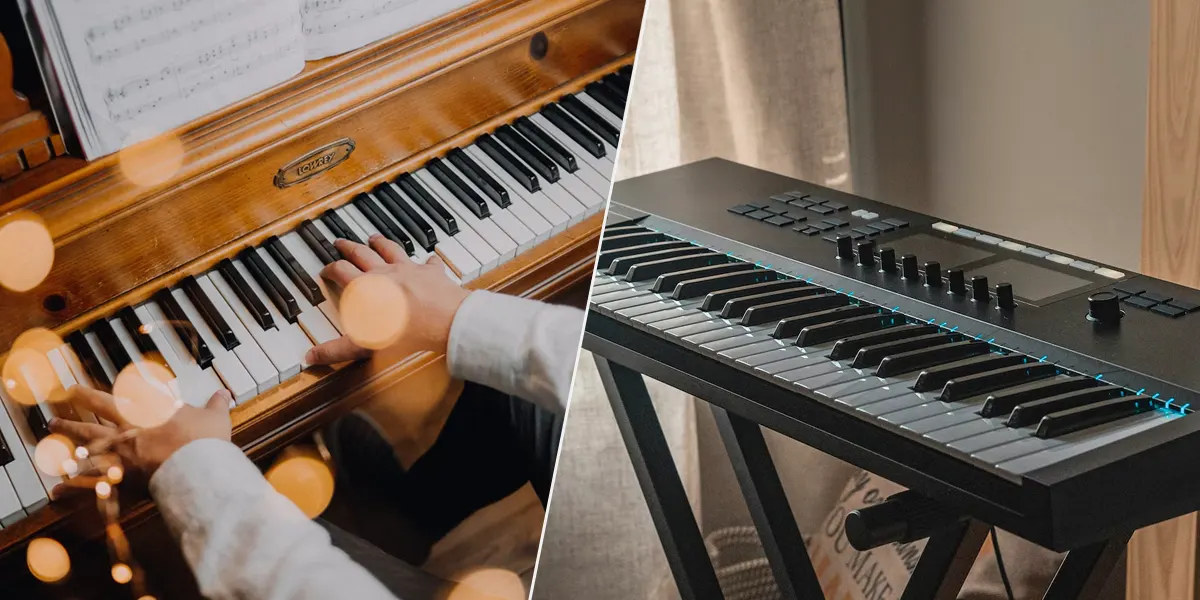
Choosing between a keyboard and an acoustic piano is one of the most important decisions you will make when starting piano lessons. Each instrument offers unique advantages, and the right choice depends on your goals, budget, space, and learning preferences. An acoustic piano delivers an authentic touch and rich tone, allowing students to develop strong finger control and musical expression. On the other hand, keyboards offer flexibility, portability, and built-in features that make learning approachable and convenient. Understanding how each option supports your growth will help you make an informed decision that sets you up for long-term success. A thoughtful choice ensures you stay motivated, enjoy practicing, and build proper habits from the start. Whether you are a beginner or returning to music after a break, the instrument you choose influences your technique, enthusiasm, and overall learning experience. Investing time in this comparison creates a strong foundation for future progress and confidence at the piano.


What This Decision Involves
- Understanding Tone and Touch Differences
One of the most significant differences between an acoustic piano and a keyboard is the way the keys feel and respond to your touch. An acoustic piano uses real hammers and strings, resulting in natural resistance and dynamic sound variation as you press the keys harder. This helps students develop proper finger strength, control, and expressive playing. Keyboards, however, can vary widely in quality. Some have weighted or semi-weighted keys that mimic the feel of an acoustic instrument, while others have light, spring-like keys that offer less resistance. This difference can affect your technique over time, especially if you plan to perform classical music or transition to a grand piano in the future. Still, many high-quality keyboards offer realistic action and adjustable sensitivity settings. If you understand how touch influences your learning style, you can better decide which instrument supports your long-term goals and comfort.
- Practicality, Space, and Convenience
Space and convenience often play a significant role in deciding between a keyboard and an acoustic piano, especially for students learning at home. Acoustic pianos are large, heavy, and require a permanent spot in your home, along with regular tuning and maintenance. This can be challenging for those with limited space or a busy lifestyle. Keyboards are compact, easy to move, and can be stored when not in use. Many keyboards allow you to practice quietly with headphones, making them ideal for apartments or shared living spaces. They often include built-in learning tools like metronomes, recording features, and digital displays that support practice and progress tracking. For students who value flexibility or travel frequently, keyboards offer convenience without sacrificing consistency. Additionally, digital options blend effortlessly with modern learning formats such as online piano lessons in Owings Mills, which can be more accessible than traditional instruction. Balancing practicality with musical development helps determine which instrument best fits your lifestyle.
- Cost and Long-Term Value
The cost difference between keyboards and acoustic pianos is often a determining factor for new students. Acoustic pianos can be a significant investment, especially high-quality upright or grand models, and they also require ongoing tuning and potential repairs. However, they tend to hold their value and can last for decades when properly maintained. Keyboards offer a wide price range, from affordable beginner models to advanced digital pianos with realistic features. While keyboards may not have the same lifespan as an acoustic instrument, they are often more budget-friendly and do not require tuning. Many families choose to start with a keyboard to test commitment before upgrading later. It is also essential to consider what type of music you plan to play. Specific genres, such as classical or jazz, benefit from the tonal depth of an acoustic piano, while contemporary and pop styles can thrive on keyboards. Understanding your budget and musical direction can help you determine which option offers the most significant long-term value.
- Sound Quality and Musical Expression
Sound quality plays a significant role in developing musical expression and confidence. Acoustic pianos produce sound naturally through vibrating strings, creating warmth, depth, and subtle tonal variations. This allows students to feel more connected to the instrument and better understand dynamics and articulation. The natural resonance of an acoustic piano also encourages students to use their ears more actively. Keyboards use digital sound samples that can range from basic to highly realistic, depending on the model. Advanced digital pianos use high-quality samples and multiple speakers to simulate acoustic sound, but they may still lack the full richness of real strings. However, keyboards often include features like volume control, different instrument voices, and backing tracks that make practice more engaging. The choice comes down to what type of sound experience motivates you—do you value authenticity and acoustic presence, or versatility and modern features? The ability to express emotion through sound can significantly impact your enjoyment and growth as a pianist.
- Learning Goals and Future Growth
Your long-term learning goals should guide your instrument decision. If you aim to perform, develop advanced technique, or study classical music, the acoustic piano offers a more authentic and rigorous foundation. It builds proper habits that translate easily to performances, auditions, and studio settings. Acoustic pianos also encourage discipline due to their consistent touch and responsive tone. However, if your goals include casual learning, songwriting, or blending piano with other digital tools, a keyboard better supports your creativity and flexibility. Many modern keyboards connect to apps and recording software, making it easier to compose, track progress, or share music digitally.
Additionally, keyboards can reduce barriers to entry for beginners by offering a comfortable learning environment. Some students start on a keyboard and transition to an acoustic piano as their skills grow. The most crucial factor is choosing the instrument that keeps you motivated, allows steady progress, and aligns with the direction you envision for your musical journey.
Choosing between a keyboard and an acoustic piano is not simply about picking an instrument—it is about shaping your entire learning experience. Each option offers unique strengths, and the right choice depends on your budget, available space, sound preferences, and long-term goals. Acoustic pianos provide an authentic feel, a rich tone, and greater expressiveness, making them ideal for disciplined practice and classical or performance-focused paths. Keyboards offer flexibility, portability, quiet practice, and technology-enhanced learning tools that support convenience and creativity. Considering how touch, sound, cost, and practicality align with your lifestyle can help you make a confident and informed decision. The instrument you choose affects your motivation, technique, and overall enjoyment, so it is essential to think beyond the short term. Whether you begin with a keyboard or commit to an acoustic piano, what matters most is that the instrument supports your passion and encourages consistent growth. With the right choice, learning becomes inspiring, rewarding, and truly enjoyable.