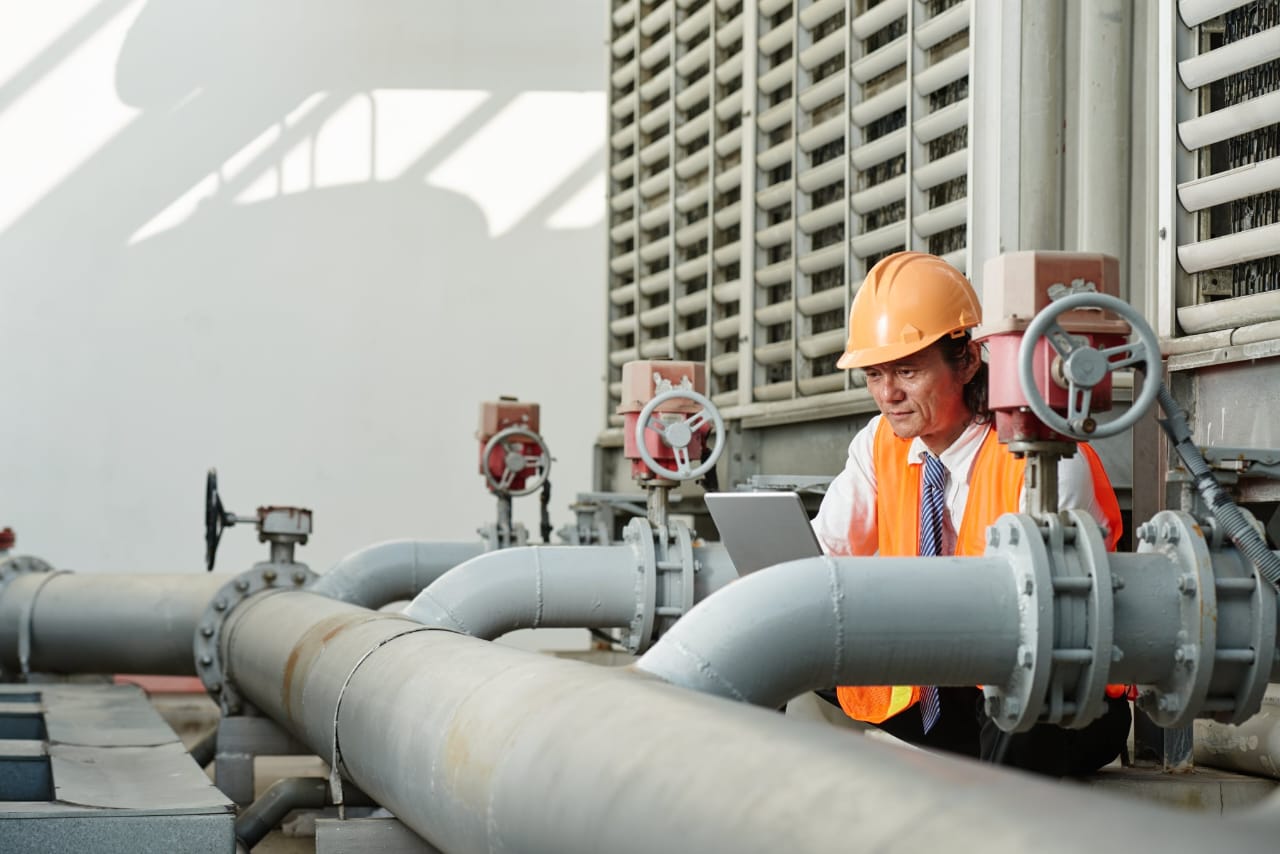
Pipe inspection isn’t glamorous. It’s not the kind of job that gets romanticized in movies or talked about at parties. But without it? You’d have leaks, contamination, corrosion, and major infrastructure failures sneaking up like silent assassins. Now, when it comes to small diameter and complex pipe networks, the challenge kicks up several notches. These tight, twisty systems make it nearly impossible for traditional inspection tools to reach, let alone collect accurate data.


So, how do pipeline inspection services handle it? Spoiler alert: it’s part innovation, part patience, and a whole lot of tech wizardry.
The Challenge of Small Pipes
Let’s start here. Small-diameter pipelines—think anything under 6 inches—are notoriously difficult to inspect. The narrow space limits the movement of tools, and bends or junctions can block access completely. And don’t even get started on scale buildup, sediment, or corrosion that makes the interior even tighter.
For decades, inspectors had to rely on limited methods—like water testing, pressure monitoring, or partial visual checks—to guess the condition inside. But those days are (mostly) gone. Modern technology is changing the game.
Mini Robots to the Rescue
Yes, you read that right—robots. The latest generation of robotic crawlers is small enough to squeeze through pipes barely wider than your wrist. These tiny machines come equipped with high-res cameras, laser scanners, and even sonar sensors to map the internal condition of the pipe.
Some can even move through water, sludge, or low-light environments. The coolest part? Operators can control them remotely while viewing live footage in real time. That means no more guesswork, no digging, and no unnecessary shutdowns.
A few systems even use autonomous navigation, where the robot “learns” the network layout as it moves. It’s kind of like Google Maps for underground pipelines.
When Cameras Alone Aren’t Enough
Sure, cameras do a great job capturing visuals, but what about corrosion under the surface? That’s where advanced Non-Destructive Testing (NDT) methods come in. Technologies like ultrasonic testing (UT), eddy current testing, and magnetic flux leakage (MFL) are now miniaturized to fit into smaller inspection devices.
Imagine being able to detect thinning walls, cracks, or hidden defects without ever cutting open the pipe. That’s the magic of NDT. Combined with high-quality imaging, inspectors get a 360-degree understanding of what’s happening inside those pipes—both visible and invisible issues included.
The Human Factor Still Matters
It’s easy to think that robots and automation are replacing human inspectors for fiberglass tank inspection, but honestly? That’s not true. While technology handles the physical work, experienced inspectors still interpret the data, make sense of anomalies, and recommend next steps.
A robot might see a discoloration or texture change—but only a trained human can tell if it’s a real threat or just a harmless residue. In short, the tools may be high-tech, but the human eye and brain are still the final authority.
Data, AI, and the Predictive Future
One underrated side of modern inspections is the data they produce. Every inspection generates gigabytes of visuals and readings. When this data is fed into AI-powered analysis systems, patterns begin to emerge.
That’s where predictive maintenance comes in—using data to foresee potential failures before they happen. Instead of waiting for a leak or a rupture, companies can proactively repair or replace sections based on actual risk, not just age or schedule. It saves time, money, and the planet.
So, What’s Next?
The next frontier is likely going to be fully autonomous drone inspections for both pipelines and tanks. As technology continues to shrink and AI keeps getting smarter, we might soon see self-guided systems capable of inspecting entire networks with minimal human input.
But even then, the fundamentals won’t change—regular inspections, accurate data interpretation, and proactive maintenance will always be the foundation of a reliable pipeline system.
FAQs
1. How do inspectors clean small pipes before inspection?
Usually, companies use high-pressure water jets or “pigging” tools to clear debris before sending in cameras or robots. Clean pipes mean clearer data.
2. What’s the smallest pipe size robots can inspect?
Some micro-robots can operate in pipes as small as 2 inches in diameter. It’s crazy, but true.
3. Are these inspections expensive?
They can be, depending on the complexity of the network. But when you compare it to the cost of a pipeline leak or contamination event, inspections are actually a bargain.
4. Can AI replace human inspectors completely?
Not yet, and probably not for a while. AI can analyze patterns, but human intuition and experience still matter when making critical calls.
Final Thoughts
Small-diameter and complex pipe networks are no longer the nightmare they once were. With robotics, smart sensors, and data-driven tools, inspection companies are literally crawling into spaces that were once unreachable—and doing it safely, efficiently, and with incredible precision.
At the end of the day, it’s a blend of old-school inspection expertise and cutting-edge innovation. And honestly, it’s pretty amazing to see how far we’ve come—from manual checks and guesswork to micro-robots navigating maze-like pipelines like pros.
If you geek out on engineering and tech like I do, this field is one to watch. The pipes may be small, but the innovations happening inside them are huge.