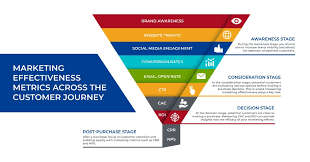
In the fast-paced world of digital marketing, launching a campaign is only half the battle. The real measure of success lies in how effectively that campaign performs against strategic goals. Whether you’re promoting a product, building brand awareness, or driving engagement, tracking the right metrics is essential to understanding impact and optimizing future efforts. With countless data points available, focusing on the most meaningful indicators can help marketers make smarter decisions and deliver better results. Here are four key metrics that consistently define successful campaigns.


Conversion Rate
Conversion rate is one of the most telling metrics in any campaign. It measures the percentage of users who take a desired action, such as making a purchase, signing up for a newsletter, or downloading a resource. High conversion rates indicate that your messaging, offer, and user experience are aligned with audience expectations. To improve this metric, marketers should analyze landing page performance, streamline calls to action, and ensure that the value proposition is clear and compelling. A well-optimized conversion funnel can turn interest into action and significantly boost ROI.
Customer Acquisition Cost (CAC)
Understanding how much it costs to acquire a new customer is critical for evaluating campaign efficiency. Customer Acquisition Cost (CAC) is calculated by dividing total campaign expenses by the number of new customers gained. A lower CAC means you’re acquiring customers more cost-effectively, which is especially important for scaling operations. Monitoring this metric helps businesses allocate budgets wisely and identify which channels or tactics yield the best return. When paired with lifetime customer value, CAC offers a comprehensive view of profitability and long-term sustainability.
Engagement Rate
Engagement rate reflects how actively your audience interacts with your content. This includes likes, shares, comments, clicks, and time spent on page. High engagement suggests that your campaign is resonating with the target audience and fostering meaningful connections. It’s not just about visibility—it’s about relevance. To enhance engagement, marketers should tailor content to audience preferences, use compelling visuals, and encourage participation through polls, questions, or interactive elements. Tools like ai audience targeting technology can help identify which segments are most likely to engage, allowing for more precise and impactful messaging.
Return on Ad Spend (ROAS)
Return on Ad Spend (ROAS) is a vital metric for assessing the financial effectiveness of paid campaigns. It measures the revenue generated for every dollar spent on advertising. A strong ROAS indicates that your ads are not only reaching the right people but also driving profitable actions. To maximize ROAS, marketers should continuously test ad creatives, refine targeting parameters, and adjust bidding strategies. Segmenting audiences and retargeting high-intent users can also improve performance. ROAS provides a clear snapshot of campaign profitability and helps justify continued investment in paid media.
Conclusion
Successful campaigns are built on more than creativity they’re driven by data. By focusing on conversion rate, customer acquisition cost, engagement rate, and return on ad spend, marketers can gain valuable insights into performance and make informed decisions that lead to growth. These metrics serve as a roadmap for refining strategies, allocating resources, and delivering results that align with business objectives. In a landscape where precision and adaptability are key, tracking the right indicators ensures that every campaign moves the needle in the right direction.