When we think of roadside assistance or heavy‑load transport, towing often surfaces as a primary solution. This practice, which involves pulling or hauling an object—whether it’s a vehicle, boat, or equipment—from one point to another, plays a critical role in logistics, safety, and recovery operations. In this article, we’ll explore the origins, methods, challenges, technology, and future trends of towing, providing a comprehensive look at how it underpins much of everyday transport and emergency response.


Origins and Historical Development
The concept of moving a disabled or immobile object by attaching it to another has ancient roots. In early agrarian societies, animals like horses, oxen, or mules were harnessed to wagons or sleds to pull loads. As roads developed and vehicles emerged, the idea of pulling a broken-down carriage or cart became more systematic.
- Early Mechanical Towing
When the automobile appeared in the late 19th and early 20th centuries, breakdowns were common. Some of the first tow trucks were modified farm tractors or trucks with winches or chains to drag incapacitated vehicles to repair shops. - Formalization of the Tow Truck Industry
By the mid-20th century, specialized vehicles appeared: flatbeds, boom trucks, and wheel-lift mechanisms. This specialization allowed safer and more efficient transport of disabled vehicles. Regulations, industry associations, and safety standards gradually emerged to govern best practices for incident response, insurance claims, and operator training. - Integration with Emergency Services
Over time, towing operations became integrated into broader roadside assistance and emergency management systems. Tow operators now coordinate with police, fire departments, and other responders, ensuring safe removal of vehicles from crash scenes, road blockages, or hazardous locations.
Core Methods and Equipment of Towing
Towing isn’t a one‑size‑fits‑all solution. Different scenarios demand different approaches and equipment. Below are some of the main methods and tools currently in use.
1. Tow Truck Types and Techniques
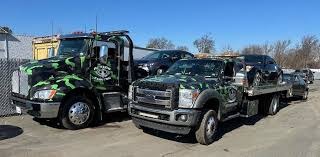
- Flatbed or Slide-back Trucks
These trucks carry the disabled vehicle entirely on a flat bed. The bed tilts or slides back, allowing the vehicle to be driven or winched onto the platform. This method minimizes wear and damage during transport. - Boom Trucks
A hydraulic arm with cables or chains lifts the vehicle partially off the ground, often used in challenging positions (e.g., steep embankments). The lifted vehicle may be towed or carried. - Wheel-Lift Tow Trucks
These vehicles use a metal yoke to cradle the front or rear wheels of the disabled vehicle, lifting those wheels off the ground while the remaining wheels roll. It’s faster than some methods, but less protected than full bed transport. - Integrated Tow Trucks
Often used by dealers or repossession agents, these combine boom, wheel-lift, and Carson-style integrated systems for quick and compact operations. - Flatbed Dolly or Trailer Towing
The disabled vehicle is placed on a trailer or dolly behind another vehicle. This is common for short-distance relocation or when the towing vehicle is separate from the tow operator. - Heavy-Duty Towing (Rotator Trucks)
For large commercial vehicles, buses, or severely damaged trucks, towing operators use rotator trucks—specialized trucks with rotating booms that can right overturned vehicles and lift massive weights.
2. Winches, Hooks, and Cables
No matter the tow truck type, the proper rigging of hooks, chains, cables, or straps is essential. Winches winch disabled vehicles onto beds or pull them over obstacles. Safety is paramount: incorrect rigging can damage the towed vehicle or create hazards for operators.
3. Safety Gear and Lighting
Tow operators rely on high-visibility clothing, cones, flares, traffic signs, and lighting systems (LEDs, strobes) to alert other road users. Safety harnesses, wheel chocks, and secondary restraints (safeties) are often used to prevent unintended movement.
4. Vehicle Restraint and Securing Systems
Once a vehicle is on a flatbed or partially lifted, securement is required—tie-down straps, chains, wheel nets, and soft loops help ensure the towed load doesn’t shift or fall off, especially during acceleration, braking, or road irregularities.
Operational Challenges and Best Practices
Towing sounds straightforward in theory, but in practice it involves many challenges. Mistakes can damage vehicles, injure operators, or worsen traffic safety. Below are some common challenges and recommended best practices.
Kinetic Forces and Weight Distribution
Towing changes the dynamics of motion. The tow vehicle must exert sufficient force to accelerate and brake both its own mass and the towed load. Uneven weight distribution, side winds, or road grade can cause sway or loss of control.
Best Practice: Use proper load calculations. Position the load to keep the center of gravity low and near the tow vehicle. Use sway bars or dampers if necessary.
Roadway Conditions and Traffic
Poor surfaces, steep gradients, tight curves, and heavy traffic complicate towing maneuvers. Sudden stops or maneuvers by other drivers pose risks.
Best Practice: Use route planning to avoid narrow or steep roads. Use escort vehicles in tight or obstructed zones. Engage traffic control protocols when operating near active roadways.
Damaged Vehicles
Vehicles involved in crashes may have mechanical damage, collapsed suspensions, flat tires, or structural problems. These conditions can prevent normal engagement of wheels or frames.
Best Practice: Use boom or lifting equipment to extract or position the vehicle safely. Inspect for broken axles or suspension damage before applying force.
Operator Skill and Training
Towing requires skill, judgment, and a calm response under pressure. A novice operator may misjudge angles, clearance, or the impact of their maneuvers on other road users.
Best Practice: Ongoing training and certification are essential. Operators should be familiar with different vehicle types, recovery techniques, and safety protocols.
Legal, Liability, and Insurance Concerns
Towing often occurs in emergencies or accident scenes. Liability for vehicle damage, accidents during towing, or road obstruction must be considered. Regulatory compliance (permits, licensing, weight limits) is also important.
Best Practice: Carry adequate insurance, maintain documentation, use disclaimers, and adhere strictly to local and national laws regulating towing operations.
Applications and Use Cases of Towing
Towing is not limited to just moving broken-down cars. Its applications span many domains:
Roadside Assistance and Vehicle Recovery
When vehicles break down, run out of fuel, suffer mechanical failures, or are involved in accidents, towing operators rescue them to repair facilities, impound lots, or safer locations.
Repossession and Impound Services
Financial institutions may hire towing services to repossess vehicles when payments lapse. Similarly, law enforcement or parking authorities tow illegally parked or abandoned vehicles.
Transport of Heavy Machinery and Equipment
Construction, agriculture, and industry often require heavy machinery to be moved between sites. Towing solutions include lowboy trailers, semi-trucks with flatbeds, or specialized heavy-haul setups.
Recreational Vehicle and Boat Transport
Boats, trailers, campers, and off-road vehicles often require towing behind a vehicle. Recreational towing involves considerations like braking systems, load balancing, and regulatory limits.
Disaster and Emergency Response
After natural disasters, floods, or storms, towing operators assist in clearing roads, removing debris, and recovering stranded vehicles. Rotator trucks may also right overturned trucks or buses.
Salvage and Recycling
Nonrepairable vehicles may be towed to salvage yards or recycling centers. Towing plays a role in end-of-life vehicle logistics, ensuring removal from accident scenes to scrapping or recycling facilities.
Technological Innovations Influencing Towing
The towing industry is evolving rapidly, thanks to technological advances. Below are some notable trends reshaping how towing is performed:
Telematics and Fleet Management
Tow operators increasingly use GPS, telematics, and fleet-management platforms to dispatch units efficiently, monitor vehicle health, and estimate arrival times. Real-time data helps coordinate operations in congested networks.
Camera Systems and Sensors
Cameras, proximity sensors, and LiDAR can assist operators in precision positioning for hooking vehicles, avoid obstacles, and monitor clearance. These aids minimize damage and speed up service.
Automated Load Securing
Some systems allow semi‑automatic strap tensioning or sensor‑based alerts when tie-downs loosen. These reduce human error in securing loads.
Remote-Controlled Winches and Drones
For challenging terrain or hazard zones, remote winches or drone support can guide cable placement safely. Drone footage can help assess scene conditions before placing personnel.
Electric and Hybrid Tow Trucks
As vehicle fleets shift to electric or hybrid powertrains, towing fleets will likely follow suit. Electric tow trucks produce lower emissions and can better meet environmental standards in some jurisdictions.
Predictive Maintenance and Diagnostics
Sensors and predictive analytics can forewarn of tow-truck component failures—hydraulic leaks, winch motor stress, tire wear—allowing preemptive maintenance.
Environmental and Regulatory Considerations
Towing intersects with environmental and regulatory domains in various ways:
Emissions and Fuel Consumption
Heavy towing consumes significant fuel. Emissions regulations may require fleets to adopt cleaner engines or emissions controls.
Road Wear and Weight Limits
Towed loads increase roadway stress and contribute to wear. There are legal weight restrictions, axle load limits, and permits required for oversized loads.
Noise and Light Pollution
Tow trucks operating at night or early hours must comply with lighting and noise standards to avoid disturbing communities.
Waste and Fluid Handling
After accidents or breakdowns, leaked fluids (oil, fuel, coolant) may accompany the vehicle. Tow operators must follow spill‑cleanup protocols and disposal rules.
Licensing, Permits, and Oversight
Many jurisdictions regulate towing rates, licensing for tow operators, bond requirements, consumer protections, and how impound facilities handle towed assets.
Safety Protocols and Industry Standards
Because towing involves hazards—traffic, moving loads, mechanical failure—strict safety protocols are essential. Some recognized standards and practices include:
- Pre‑shift Inspection: Check hydraulics, winch, chains, lights, tires, brakes, and tools.
- Scene Assessment: Evaluate site safety, traffic patterns, slope, and obstructions before engaging.
- Communication: Use radios, hand signals, and spotters, especially during alignment or tricky recovery.
- Redundant Restraints: Use secondary safety chains or straps even when primary devices are rated.
- Load Monitoring: Recheck tightness, alignment, and contact points periodically during transport.
- Clear Signage and Lighting: Place cones, signs, flares; use beacon lights, reflective gear, and advance warning alerts.
- Emergency Escape Plans: Operators should have an exit route if something goes wrong (sliding cable, load shift).
- Continuous Training and Certifications: Refresher courses, simulations, and real-world drills help maintain readiness.
Many towing associations worldwide provide training standards, credentialing, and best practice guidelines.
Economic and Business Perspectives
From a business standpoint, towing is a challenging but often lucrative enterprise—especially when tied to insurance, fleet contracts, or emergency services. Key economic factors include:
Pricing Models
Towing services charge by time, distance, vehicle class, or a combination. Some contracts fix rates (e.g., with insurers or municipalities), while others are ad hoc.
Cost Factors
Major cost drivers include: tow truck purchase and maintenance, fuel, insurance, personnel wages, permits, storage facilities, and liability coverage.
Seasonality and Demand Fluctuation
Demand peaks in inclement weather, holiday travel, or during events. Operators must manage idle time, surge capacity, and resource allocation.
Contracting and Partnerships
Tow operators often partner with auto clubs, insurance companies, repair shops, or government agencies. Long-term contracts can stabilize revenue.
Reputation and Customer Service
Because towing often occurs under stressful conditions, customer satisfaction, fast response, and professional conduct heavily influence referrals and repeat contracts.
Looking Forward: Trends and Predictions
As mobility, infrastructure, and technology evolve, so too will towing. Some anticipated developments include:
- Autonomous Roadside Service Vehicles: Tow trucks with autonomous navigation may be deployed to remote breakdowns without a driver initially, especially in low-risk environments.
- Integrated Mobility Platforms: Tow dispatch may integrate into vehicle telematics or mobility apps—your car may autonomously request a tow if it detects a catastrophic failure.
- Green Tow Fleets: Electric or hydrogen-powered tow trucks will reduce emissions, especially in urban areas with strict air quality mandates.
- Modular Tow Units: Tow vehicles with modular attachments (wheel lift, boom, flatbed) may allow operators to adapt quickly to varying tasks.
- Data‑Driven Risk Prediction: Using analytics on breakdown patterns, fleets may preemptively reassign resources during weather events or peak hours.
- Regulatory Overhaul: As road infrastructure and heavy vehicle policies evolve (e.g. smart highways, platooning), towing regulations must adapt accordingly.
Conclusion
Towing is far more than just dragging a broken car to a garage; it’s a complex, technically demanding, and vital component of modern transport, emergency response, and logistics. With evolving technologies, environmental constraints, and shifting mobility trends, towing services must stay agile, safe, and innovative.
If you ever experience a vehicle breakdown or see a stranded one, you’ll now have a deeper appreciation for the expertise and machinery behind towing and how it keeps transport networks moving, reliably and safely.