A well-maintained lawn is more than just a patch of green outside your home—it’s a living, breathing extension of your lifestyle. Whether you’re seeking a serene outdoor space for relaxation, a safe play area for your children, or simply want to boost your home’s curb appeal, the condition of your lawn plays a significant role.


Achieving a lush, healthy lawn doesn’t happen overnight. It requires consistent care, the right techniques, and a bit of know-how. While it may seem overwhelming at first, proper lawn maintenance becomes second nature with a little guidance. This guide will walk you through everything from soil health to mowing strategies, helping you make informed decisions that benefit your yard in the long run.
Understanding Your Lawn’s Foundation: The Soil
At the heart of every vibrant lawn is healthy soil. Without the right foundation, no amount of watering or fertilizing will lead to lasting success. Soil quality impacts root development, water retention, and nutrient availability.
To get started, conduct a soil test to determine its pH level and nutrient content. Many lawns suffer from either too much clay, which leads to poor drainage, or too much sand, which doesn’t hold nutrients well. Amending your soil based on test results—by adding organic matter, compost, or specific minerals—can significantly improve its health.
Good soil also fosters microbial life, which breaks down organic materials and releases nutrients that grass needs to thrive. Maintaining soil aeration through core aerating annually will help prevent compaction, improve root penetration, and increase oxygen flow.
Choosing the Right Grass Type
Not all grass varieties are created equal. The right choice depends on factors such as climate, sun exposure, foot traffic, and maintenance expectations. Some grasses require more frequent mowing and watering, while others are low-maintenance and drought-tolerant.
Cool-season grasses like fescue and bluegrass thrive in temperate regions with distinct seasonal changes. Warm-season grasses such as Bermuda or zoysia are better suited to hotter environments and can tolerate extended dry periods.
Knowing your grass type allows you to tailor your care routine, including when and how to mow, fertilize, and overseed. It also helps you diagnose problems more accurately, from pests to discoloration.
Mowing: More Than Just Cutting Grass
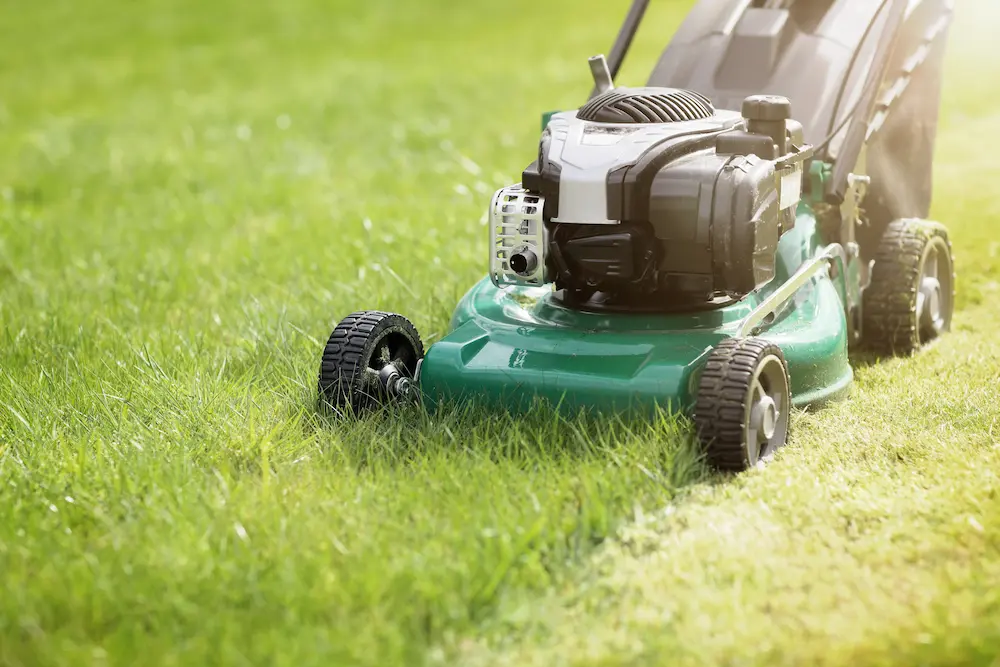
One of the most common lawn care practices is mowing, yet it’s often done incorrectly. The frequency, height, and pattern of mowing all affect your lawn’s health. Cutting grass too short—known as scalping—can stress the grass, encourage weed growth, and expose soil to erosion.
As a general rule, never remove more than one-third of the grass blade height in a single mowing session. Keeping blades sharp also ensures a clean cut, which reduces the risk of disease. Dull mower blades can tear grass, leaving ragged edges that turn brown and create entry points for pests.
Changing your mowing pattern weekly can prevent soil compaction and ruts from forming. Additionally, leaving clippings on the lawn, a practice known as grasscycling, returns valuable nutrients to the soil.
Watering Wisely: Quality Over Quantity
Watering your lawn isn’t just about frequency—it’s about effectiveness. Most lawns need about one inch of water per week, including rainfall. Deep, infrequent watering encourages roots to grow deeper, making the lawn more resilient to drought and heat stress.
The best time to water is early in the morning, when temperatures are cooler and evaporation rates are lower. Avoid watering in the evening, as prolonged moisture on the blades can encourage fungal diseases.
Using smart irrigation systems or soaker hoses can improve efficiency and reduce waste. Regularly check for signs of overwatering, such as spongy soil, yellowing grass, or the presence of mushrooms.
Fertilizing for Strong Growth
Fertilizer provides your lawn with essential nutrients like nitrogen, phosphorus, and potassium. These elements support root development, blade growth, and overall lawn vigor. However, over-fertilizing can cause more harm than good, leading to chemical burns, thatch buildup, and even groundwater contamination.
Choose a slow-release fertilizer suited for your grass type and apply it during the growing season. Most lawns benefit from two to four feedings per year, depending on their specific needs and local climate conditions.
Always follow the manufacturer’s instructions, and use a spreader for even application. If you’re unsure of what your lawn needs, a soil test will give you a clear direction.
Weed Control and Prevention
Weeds compete with grass for nutrients, sunlight, and water. Common lawn weeds like dandelions, crabgrass, and clover can quickly take over if left unchecked. Effective weed control combines preventative measures and timely intervention.
Healthy, dense lawns naturally resist weed growth by crowding them out. Mowing at the right height, watering deeply, and fertilizing appropriately all contribute to weed resistance. When weeds do appear, spot-treat them with herbicides or pull them manually before they go to seed.
Using a pre-emergent herbicide in early spring can prevent certain weed seeds from germinating. Be sure to choose a product compatible with your grass type and follow application guidelines carefully.
Seasonal Lawn Care Strategies
Lawn care routines should adapt to seasonal changes. Each season brings its own set of challenges and maintenance requirements:
- Spring: Focus on clean-up, dethatching, aeration, and the first round of fertilizing. This is also the ideal time for seeding bare spots.
- Summer: Prioritize watering and mowing practices to protect your lawn from heat stress. Monitor for pests and signs of disease.
- Fall: Fertilize to strengthen roots before winter, remove fallen leaves promptly, and consider overseeding for cool-season grasses.
- Winter: Limit foot traffic on frozen lawns, and avoid using salt-based ice melts near grass edges.
Adjusting your approach with the seasons ensures your lawn stays resilient and vibrant year-round.
Addressing Lawn Pests and Diseases
Pests like grubs, chinch bugs, and armyworms can cause serious damage to your lawn if not identified early. Symptoms often include brown patches, wilted grass, or loose turf that lifts easily from the soil.
Fungal diseases such as dollar spot, brown patch, and rust can also weaken grass and leave unsightly blemishes. Most lawn diseases thrive under specific conditions—like high humidity, poor drainage, or overwatering.
An integrated pest management approach involves monitoring your lawn, maintaining good cultural practices, and applying treatments only when necessary. When in doubt, consult with a lawn care professional to diagnose and treat issues properly.
Aeration and Dethatching: Breathing New Life Into Your Lawn
Over time, lawns can develop a layer of thatch—dead grass and roots that accumulate between the soil and living grass. Excessive thatch prevents water, air, and nutrients from reaching the roots, leading to shallow growth and increased susceptibility to pests and diseases.
Dethatching is the process of removing this layer using specialized rakes or machines. It’s typically done in the spring or fall when the lawn is actively growing.
Aeration involves perforating the soil with small holes to allow better movement of air and nutrients. Core aeration is particularly effective and can be done annually for high-traffic or compacted lawns.
The Role of Professional Services in Lawn Maintenance
While many aspects of lawn maintenance can be handled by homeowners, there are situations where professional help makes sense. Complex issues like persistent weed invasions, fungal outbreaks, or soil deficiencies often require advanced tools and expertise.
A professional lawn care provider can assess your yard’s unique conditions and develop a customized plan that includes fertilization, weed control, pest management, and seasonal treatments. This ensures consistent results and reduces the trial-and-error that many DIY approaches entail.
For those with busy schedules, outsourcing regular maintenance tasks like mowing and fertilizing can save time and preserve the lawn’s appearance and health year-round. Many providers also offer eco-friendly solutions that minimize chemical use and focus on sustainable practices.
If you’re considering hiring help, make sure the provider is licensed, insured, and experienced with your specific grass type and regional climate conditions. Investing in professional lawn care can provide long-term value and peace of mind.
Sustainability in Lawn Maintenance
As awareness grows around environmental issues, sustainable lawn care practices are gaining popularity. These include reducing water usage, using organic fertilizers, and planting native grass varieties that require less intervention.
Composting grass clippings and leaves, avoiding synthetic chemicals, and embracing biodiversity through pollinator-friendly landscaping are all steps you can take to make your lawn more eco-conscious. A healthy lawn not only benefits your property but also contributes to soil conservation, carbon capture, and local wildlife habitats.
By making informed choices, homeowners can enjoy beautiful lawns without compromising the environment.
Conclusion
Creating and maintaining a thriving lawn is a rewarding process that reflects your care, attention, and respect for the outdoors. From soil preparation to mowing, fertilizing, and seasonal adjustments, every aspect of lawn care in Topeka Lawrence plays a vital role in building a strong, resilient yard.
Whether you’re managing your lawn on your own or seeking help from a professional service, understanding the science and strategy behind each step will empower you to make better decisions. With time, patience, and consistency, your lawn can become a vibrant oasis that enhances your home and improves your quality of life.