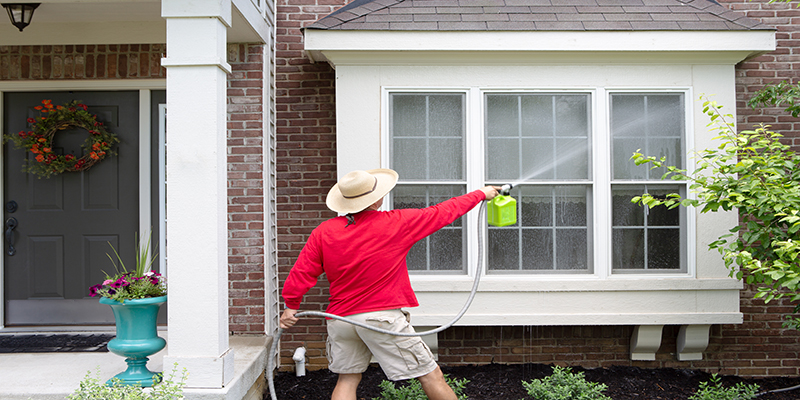
When it comes to exterior cleaning, most homeowners and property managers immediately think of pressure washing. While pressure washing has long been a go-to method for removing tough dirt and grime, it isn’t always the best or safest option—especially for delicate surfaces. Enter soft washing, a modern cleaning method that combines low-pressure water with specialized cleaning solutions to safely and effectively clean exterior surfaces.
Whether you’re dealing with mold, mildew, algae, or general buildup, soft washing provides a powerful solution without the risk of surface damage. In this article, we’ll explore everything you need to know about soft washing—from how it works and what it can clean to its many benefits and how it compares to pressure washing.
What Is Soft Washing?
Soft washing is a cleaning technique that uses low-pressure water—usually under 500 PSI—combined with biodegradable chemical solutions to break down dirt, organic stains, algae, mold, and mildew. The primary purpose of this method is to clean without damaging surfaces, making it ideal for more fragile exterior materials such as:
- Roof shingles
- Vinyl siding
- Stucco
- Wood panels
- Screens and enclosures
- Painted surfaces
While the pressure applied is minimal, the real power of soft washing lies in the cleaning agents, which are designed to target organic growth at its root level.
How Does Soft Washing Work?
The process of soft washing starts with the application of a specially formulated cleaning solution. These solutions often contain sodium hypochlorite (similar to bleach), surfactants to help the solution stick, and water. The mixture is applied using a soft washing system—essentially a sprayer that delivers the solution at low pressure.
Once applied, the solution is allowed to dwell on the surface for several minutes. During this time, it penetrates and breaks down organic matter like moss, algae, lichen, and mold. After the dwell time, the surface is rinsed with water at a similarly low pressure, carrying away the loosened contaminants.
Because soft washing treats the root of the problem—not just the surface stain—it can offer longer-lasting results than high-pressure alternatives.
Key Differences Between Soft Washing and Pressure Washing
Many people confuse soft washing with pressure washing, but the two are fundamentally different:
- Water Pressure: Pressure washing uses water pressure upwards of 1,500–4,000 PSI, while soft washing stays below 500 PSI.
- Cleaning Method: Pressure washing relies on mechanical force to blast away debris, whereas soft washing uses chemical action to gently lift and kill contaminants.
- Surface Compatibility: Pressure washing is best for hard surfaces like concrete, brick, and stone. Soft washing is better suited for delicate surfaces that may be damaged by high pressure.
- Longevity of Results: Because soft washing treats the root cause (organic growth), the cleaned surfaces tend to stay clean longer compared to pressure-washed surfaces.
The Benefits of Soft Washing
1. Surface Safety
One of the most significant advantages of soft washing is that it preserves the integrity of your property’s surfaces. High-pressure water can erode shingles, crack siding, and strip paint. Soft washing avoids this damage by relying on chemical action rather than force.
2. Kills Organic Growth
Soft washing doesn’t just clean away dirt—it actively kills algae, mold, and mildew, which are common causes of stains and deterioration. By targeting these microorganisms, soft washing prevents rapid regrowth.
3. Improves Curb Appeal
Over time, grime, algae, and mold make buildings look old and neglected. A thorough soft washing service can instantly rejuvenate your property’s appearance and even increase its market value.
4. Eco-Friendly Options
Many soft washing solutions are biodegradable and environmentally friendly. These solutions break down quickly and pose minimal harm to surrounding plants and wildlife when applied correctly.
5. Longer-Lasting Clean
Because soft washing kills mold spores and algae roots, it provides a deeper clean that lasts much longer than surface-level pressure washing. This can reduce the frequency of exterior cleaning.
Common Applications for Soft Washing
Soft washing is versatile and can be used on a wide range of residential and commercial surfaces. Some of the most common applications include:
- Roof Cleaning: Asphalt shingles and tile roofs are easily damaged by pressure washing. Soft washing safely removes black streaks and lichen without compromising the roofing material.
- House Siding: Vinyl, aluminum, and painted wood siding benefit greatly from soft washing as it cleans thoroughly without peeling paint or denting panels.
- Fences and Decks: Wooden structures can be fragile, especially when aged. Soft washing protects these surfaces while effectively removing grime and algae.
- Gutters and Soffits: These areas are often neglected and hard to reach. Soft washing safely cleans them without risk of detachment or damage.
- Screens and Enclosures: Delicate mesh materials or patio enclosures can tear under high pressure but are easily cleaned using soft washing techniques.
How Often Should You Soft Wash Your Property?
There’s no one-size-fits-all answer to how often you should soft wash your home or commercial property. Factors such as climate, surrounding vegetation, and the materials of your structure can influence the rate at which grime accumulates. However, a general guideline is:
- Roofs: Every 2 to 3 years
- Siding: Every 1 to 2 years
- Decks and fences: Annually or biannually
Regular inspections can help you determine when a surface needs cleaning, especially if you notice discoloration, mold, or staining.
DIY vs. Professional Soft Washing
Some homeowners consider DIY soft washing, especially with the availability of consumer-grade equipment and solutions. However, there are key reasons why professional soft washing is often the better choice:
- Proper Equipment: Professionals use commercial-grade soft wash systems that ensure even coverage and safe application.
- Knowledge of Chemicals: Using the wrong mixture can cause discoloration, damage, or be ineffective. Pros know the right ratios and dwell times for each surface.
- Safety Measures: Soft washing involves handling chemicals that require protective gear and safe disposal methods.
- Guaranteed Results: Hiring a professional usually comes with a satisfaction guarantee, giving peace of mind that the job will be done right.
Is Soft Washing Safe for the Environment?
When performed correctly, soft washing is considered environmentally friendly. The cleaning solutions used are designed to break down naturally without contaminating soil or water systems. Many companies also use neutralizers to ensure that runoff does not harm plants or pets.
That said, it’s essential to work with providers who follow industry best practices, including pre-wetting plants, controlling runoff, and using eco-conscious detergents.
Soft Washing as a Preventative Maintenance Strategy
Soft washing is not just about aesthetics—it’s also a proactive approach to property maintenance. Organic growth like algae and moss not only looks unsightly but can degrade roofing materials, eat away at wood, and cause paint to blister or peel. Regular soft washing helps preserve these surfaces and avoids the need for costly repairs or premature replacements.
Furthermore, mold and mildew can pose health risks, especially to individuals with allergies or respiratory conditions. Eliminating these contaminants improves overall air quality and creates a healthier living environment.
Conclusion
Soft washing in Dunstable offers a highly effective, non-destructive solution for maintaining the beauty and integrity of your property’s exterior. From roofs and siding to decks and enclosures, this method removes harmful contaminants while being gentle on surfaces. Unlike high-pressure alternatives, soft washing uses chemistry and technique to provide longer-lasting, eco-friendly results.
Whether you choose to tackle the job yourself or hire a professional service, incorporating soft washing into your regular maintenance routine is a smart investment in your home’s longevity and appearance. When done correctly, soft washing doesn’t just clean—it restores and protects your property for the long haul.