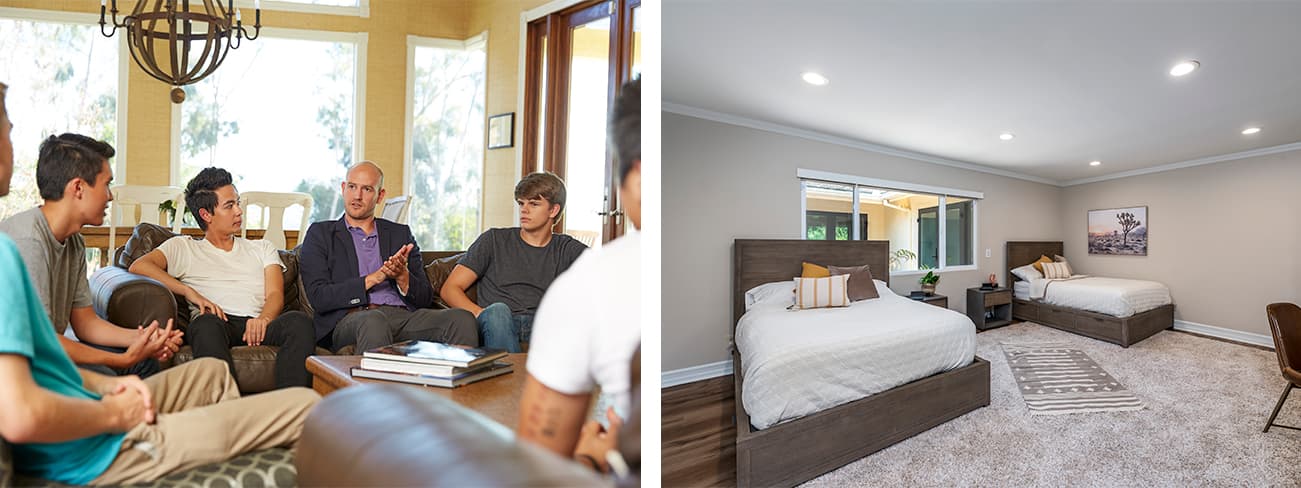
The journey towards mental health recovery is unique to everyone. Some people find value in outpatient therapy, possibly supplemented by community support, but many others need more intensive care. More structured, more intensive, and more navigable approaches are needed to work towards enduring recovery. This is the significance of residential mental health treatments.


Residential treatment provides a setting in which you can concentrate exclusively on your mental well-being. While outpatient programs provide care on a more flexible basis, the elements and distractions of everyday life and outside stressors are removed in a residential setting. For those dealing with conditions like severe depression, anxiety, trauma, and other complex mental health problems, these programs are the best option to build a foundation for recovery.
Why Structure is Important in Recovery
Order in the environment is one of the significant advantages of residential mental health treatment. Once everyday life functions become upsetting, everything starts to feel disorderly and unmanageable. Gaining control can be achieved through stabilization, and achieving that is made easier through order and routine.
Residential programs offer a unique set of services that focus on the integration of therapy. Self-learning, healthy eating, exercising, and relaxation. The predictability of such a routine enables participants to learn and adopt the healthy practices necessary to manage the emotional challenges that may arise. Flexible and routine activities reduce the negative emotional impact of the unpredictability of the activities that may trigger emotional outbursts. The activities establish confidence in the clients that they can gain control of their lives without being restricted by their mental health issues.
Comprehensive and Individualized Care
Access to various types of therapies in one place is unique to residential mental health treatments. Outpatient services offer one therapy session a week, whereas clients receiving residential treatment have access to a full treatment team that includes therapists, psychiatrists, nurses, and holistic practitioners, among others.
This allows treatment to be person-centered. For example, someone with post-traumatic stress disorder may require trauma-focused therapy, and someone with bipolar disorder may require cognitive behavioral therapy in addition to medication. The fact that multiple services can be offered at the same time ensures that all aspects of a person’s recovery are addressed.
A Supportive and Healing Environment
Therapy is just one piece of the healing puzzle. Treatment centers aim to help clients feel safe and promote their ability to self-reflect. Most centers are situated in peaceful and quiet locations. This allows clients to shift their focus to the recovery and healing process without the hustle of daily life.
Living in this kind of environment allows the development of a supportive community. Participating in shared activities with fellow clients who are dealing with similar issues helps to decrease feelings of loneliness. This form of support becomes vital in the recovery process as it helps to reinforce the idea of shared struggle.
The Role of Therapy in Residential Programs
Therapy is a vital component in the treatment of an individual with a mental illness in a residential setting. Each day may involve individual and group therapy sessions as well as other specialized treatment approaches such as dialectical behavior therapy, cognitive behavior therapy, and family therapy. Each form of therapy has its own unique value in the treatment process.
- Individual therapy encourages focus on the private and personal aspects of a person’s battles and trauma.
- Group therapy helps to strengthen accountability and promote the development of social skills.
- Family therapy is aimed at rebuilding the relationships that the struggle with mental illness has negatively impacted. The goal of this program is to help participants learn different coping mechanisms and practice them within the program’s community support framework.
Developing strategies to cope with when the program ends
Although the participants in the program might be in residential care, mental health treatment is completed in the program, and skill-building is the main focus. Having participants recognize triggers, stress, and the coping skills that help them after they leave the program is a key focus in treatment.
Due to the aftercare planning that some of the participants receive, they are able to transition. Some of the participants are able to move to outpatient therapy, support community groups, and counseling. Having this helps build on what they accomplished in the program and helps limit the chances of a setback.
Symptoms without causes
Uncovering the causes of mental health symptoms is key to improving the management of the symptoms. Residential programs help bridge that gap. With the help of therapy and mental health support programs, participants are able to address with distress that unhealthy patterns, unresolved grief, and past trauma cause.
When the focus is on healing the core issues, healing is no longer just about managing one’s symptoms. It is a major shift that helps people restore a positive self-image and opens the doors to a better healing journey.
The Relationship Between Mental and Physical Health
There is a considerable amount of research confirming the relationship between one’s physical and mental health. There is a reason why mental health services, especially the residential and inpatient ones, incorporate yoga, exercise, meditation, and even nutrition. Exercises and physical activities improve one’s mood and alleviate stress. They also strengthen the body, which is imperative to the mental healing processes.
Because mental challenges and physical health issues need to be addressed simultaneously, patients leave the mental health services with the necessary mental resilience and positive health routines to maintain clear thinking.
The Role of Relationships
With mental health issues, one can feel extremely isolated and even more disconnected. Residential programs alleviate this by encouraging relationships and fostering a community. They do this by permitting people to live together and offer support for one another during difficult times. Sharing similar challenges can be a source of support.
These relationships can, and often do, form long after the program and can provide motivation and support to a person during their recovery journey. Building a network of people who have similar experiences can help foster commitment to recovery.
Long-Term Benefits of Residential Care
Sometimes the benefits of a residential mental health program lasts much longer than the initial program itself. By taking a break from the daily stresses of life and enjoying the peace of a healing environment, individuals learn new skills and gain new sources of self-confidence; all continue to help them long after the program ends.
Graduates of residential care report improvements in their emotional regulation, relationships, and sense of life purpose. These benefits far exceed short-term solutions, as the outcomes positively transform the entire approach someone takes for their mental health.
Overcoming Stigma and Choosing Healing
People looking for residential mental health care find it hard to choose and hard to proceed due to the stigma and possible judgment from others. Despite the benefits, this type of mental care is seen as a definable weakness. Rest assured, it is a clear sign of courage and a willingness to prioritize mental health.
There are more than enough barriers to break down in this world, and mental health stigma is one of them. To change the stigma surrounding residential care, there must be a shift in education and awareness. Society regards residential care to be the last step in a mental health program, while the truth is, it can be one of the first to improve a person’s life.
Final Thoughts
Residential mental health treatments do not simply give you a break. They help you to heal in a truly sustainable way. These treatments help you build a routine, provide extensive therapies, and offer a supportive space. They help you develop skills to thrive, not just survive.
For those struggling with severe or prolonged mental health issues, this kind of care can offer a new path for positive change. Touchstone Recovery Center is proof of what a supportive environment, a passionate team, and a willing client can do.