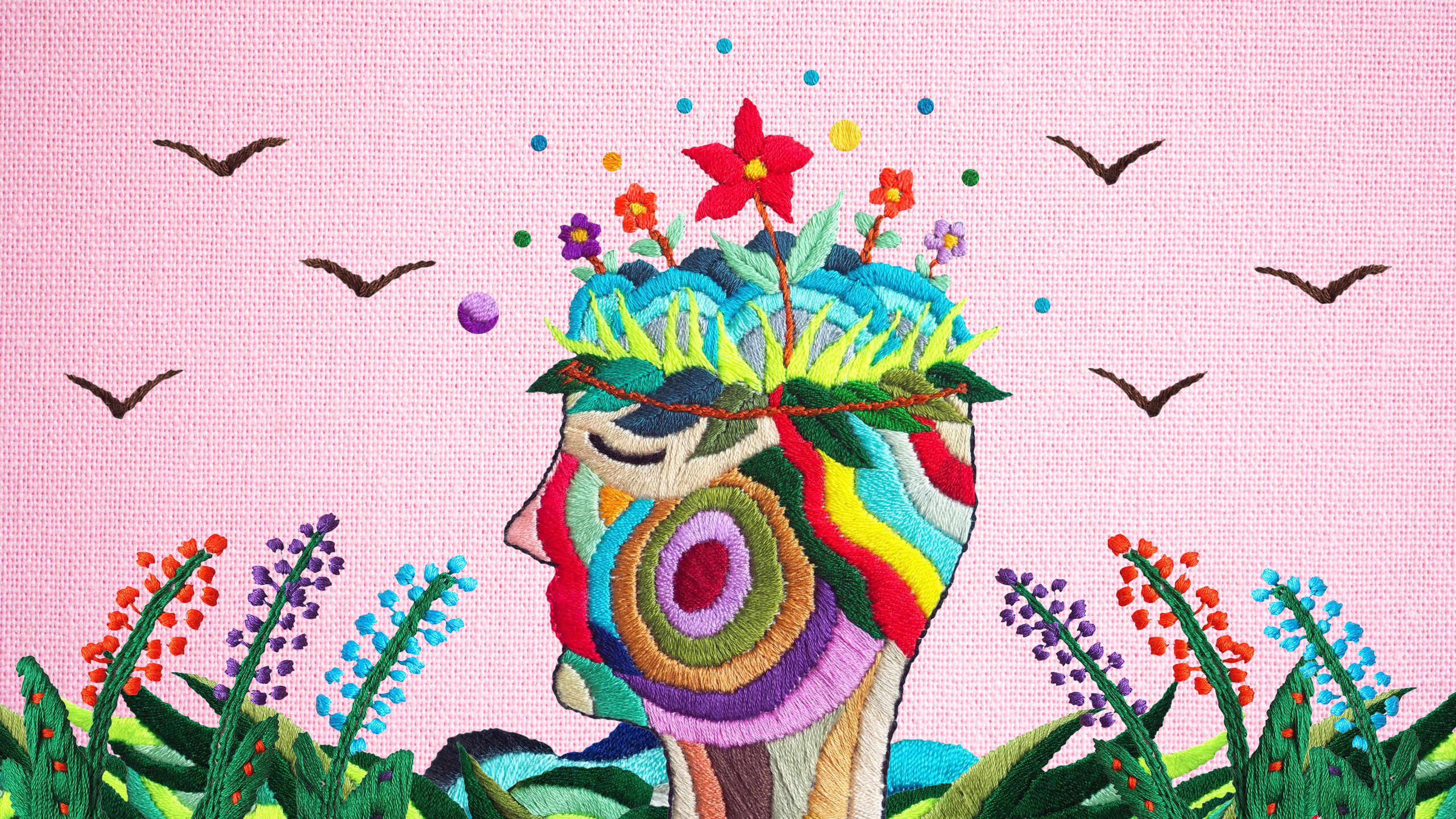
The world of art is vast and endlessly fascinating. Among the many practitioners who bring color and meaning into our lives, the painter holds a particularly evocative place. From the brush’s first touch on canvas to the final stroke that completes a work, the journey of a painter is one of vision, technique, struggle, and passion. In this article, we will delve into what it means to be a painter, explore the skills and mindset required, examine how painters work, and consider the lasting impact of their creations.


Defining the Path
To call oneself a painter is to embrace a world of possibility. A painter is more than someone who applies pigments to a surface; this is an individual who sees beyond what is simply visible, translating emotion, idea, and perception into tangible form. Whether using oils, watercolors, acrylics, or mixed media, a painter interprets realities—both external and internal—and invites others to perceive them through new lenses.
The role of the painter encompasses many responsibilities. They choose their subject matter—still life, portraiture, abstraction, landscape, or commentary. They decide on style and technique, often developing a signature that becomes recognizable to audiences. They must also continually refine their skills: understanding color theory, mastering composition, and working with light and shadow are integral to effective work. The painter experiments, fails, reworks, and persists, all in service of expressing something authentic.
Skills, Tools, and Technique
Becoming a painter involves acquiring a wide array of skills, both technical and creative. Technical proficiency begins with mastering materials. Brushes come in myriad shapes and sizes; canvases differ by weave and priming; pigments have unique qualities. A painter must understand how each tool behaves, and how factors like drying time, texture, and layering affect the final outcome.
Color theory forms another foundation. A savvy painter knows how to mix hues to evoke mood—warm tones might generate comfort or energy, while cool shades could suggest tranquility or melancholy. Contrast, harmony, saturation, and value are tools in an artist’s arsenal, allowing for sophisticated balancing in compositions. For example, a painter might deliberately use complementary colors to make elements stand out, or use analogous shades for a more harmonious, unified result.
Composition and design are equally important. A painting isn’t just about what is painted, but where. The placement of forms, the direction of lines, the distribution of light and shadow—all of this guides the viewer’s eye, shapes storytelling, and determines how the piece feels. Composition can be bold and dramatic or calm and subtle; either way, it demands intention.
Moreover, a painter must also cultivate imagination and vision. Ideas may arise from observation, from memory, from dreams, or from social issues. The creative mind of a painter often feeds off of diverse inputs—books, music, nature, conversations, even travel—transforming them into something unique. Inspiration is essential, but translating that spark into a coherent piece requires planning. Many painters begin with sketches, studies, or small color tests before committing to larger works.
The Creative Process
The process by which a painter creates something new can vary widely, but there are common threads. First, there is the conceptual stage. What is the message or emotion to be communicated? What feeling should the final work evoke? At this stage, the painter often experiments with ideas in sketchbooks, noting down compositions, color palettes, and possible subject matter.
Once the concept is clear, the painter selects materials. Should the surface be canvas, wood panel, paper, or something unconventional? What kind of paint—oil, acrylic, watercolor, pastel—or perhaps mixed media will best serve the intended effect? Each choice carries implications: oils dry slowly and allow for texture and blending; watercolors demand precision and immediacy; acrylics offer fast drying times and layering.
Next comes execution. The painter begins with underpainting or a sketch, building up layers. Working from general to specific helps—blocks of color or values are established, mid-tones and shadows follow, and finally details and highlights. Many painters emphasize the importance of letting paintings rest: stepping away to view the work from a distance, allowing fresh eyes to spot imbalances or areas needing alteration.
Mistakes or accidents often become opportunities. A drip might become part of texture; an unplanned color mix could suggest a new direction. Part of the mastery of being a painter is learning to embrace the unexpected while steering toward a cohesive result.
Challenges Along the Way
The life of a painter is not without its difficulties. Consistent creative output demands not only inspiration but discipline. There are dry spells when ideas feel scarce, and moments of frustration when pieces don’t align with the vision. Managing self-doubt, perfectionism, and comparison to others are psychological challenges many painters confront.
Material costs and studio space can also pose obstacles. High-quality paints, specialized brushes, and proper supports are not always affordable or accessible. Finding a space to work—one with good light, ventilation, and enough room for large works—is a luxury many painters strive toward.
There is also the challenge of visibility. While art can speak powerfully, getting attention is rarely automatic. Painters often need to navigate exhibitions, galleries, online platforms, and social media to share work. Building a following, finding collectors, or getting commissioned may require as much networking and promotion as actual producing of art.
Rewards and Impact
Despite the challenges, being a painter can be extraordinarily rewarding. There is deep satisfaction in seeing a blank surface transform under one’s hand into something that carries meaning, emotion, or beauty. The work of a painter has the ability to move others—evoking joy, reflection, or even discomfort. To touch someone’s heart or stir thought is a powerful privilege.
Moreover, paintings endure. As long as they are preserved, cleaned, and respected, they carry forward through generations. A painter may influence their peers, contribute to artistic movements, or leave marks on culture that outlive them. Art can challenge perceptions, question norms, and open new pathways of seeing the world.
For many painters, the act of creating is itself an act of growth. Through working, one learns patience, problem-solving, and resilience. The brush becomes a teacher—every stroke provides feedback, every decision an opportunity to learn.
Evolving Today’s Practice
The role of the painter continues to evolve. Technology offers new tools: digital painting, projection, mixed media integrating video or augmented reality. Some painters use unconventional surfaces or materials—found objects, recycled materials, organic matter—to expand the definition of what painting can be. Others blend disciplines, merging painting with sculpture, installation, or performance.
Collaborations are more common now as well. A painter might partner with writers, musicians, or designers; cross-pollination of creative fields yields innovative outcomes. There is also greater awareness of social and environmental responsibility. Many painters engage with themes of identity, ecology, politics, and climate, using their work as activism or commentary.
Online platforms have shifted how painting is shared and experienced. Virtual galleries, social media, and even augmented reality allow viewers to encounter art beyond physical exhibition halls. This increases access—for both painters sharing their work and audiences discovering it.
Cultivating the Painter Within
If you are drawn to painting, whether professionally or as a personal pursuit, there are ways to nurture the painter within. Begin by observing—look closely at light, texture, color in daily life. Keep sketchbooks or visual journals. Study works by various artists: how they handle brushwork, composition, and subject matter. Take classes or workshops to learn fundamentals and critique, but don’t lose your own voice.
Experimentation is key. Try new tools, surfaces, or mixing media. Don’t be afraid to make works that are rough or imperfect; those are stepping stones. Set aside regular time to create—consistency builds skill. Seek feedback from peers, mentors, or a supportive community. And be patient—developing as a painter is a lifelong journey.
Conclusion
The craft of the painter is an extraordinary melding of vision, technique, perseverance, and feeling. To paint is to explore what it means to be human—to observe, imagine, challenge, and express. The path of the painter is rarely easy; it demands confronting one’s doubts, pushing materials, wrestling with ideas—but the rewards are profound. Through the work a painter produces, the world gains new reflections of itself, enriched with color, thought, and emotion. That is the enduring power of painting.